
Dentures are prosthetic devices designed to replace missing teeth and restore the functionality of the mouth. They can be complete or partial, depending on the number of teeth that need replacement. Complete dentures are used when all natural teeth are absent, while partial dentures fill in the gaps left by one or more missing teeth.
Made from materials such as acrylic resin, metal, or a combination of both, dentures are custom-fitted to the individual’s mouth to ensure comfort and stability. The process of creating dentures involves taking precise impressions of the gums and any remaining teeth, which are then used to craft a personalized set that fits snugly in the mouth. The mechanics of how dentures work are relatively straightforward.
They rely on the natural contours of the gums and the underlying bone structure for support. When properly fitted, dentures create a seal that helps them stay in place during normal activities like eating and speaking. The design of modern dentures has evolved significantly, incorporating advanced materials and techniques that enhance their aesthetic appeal and functionality.
For instance, advancements in dental technology have led to the development of flexible dentures that offer greater comfort and a more natural appearance, making them a popular choice among patients.
Key Takeaways
- Dentures restore both appearance and function, improving confidence and quality of life.
- Various types of dentures are available, each suited to different needs and preferences.
- Proper care and maintenance are essential to ensure the longevity and comfort of dentures.
- Understanding the costs and comparing dentures with dental implants helps in making informed decisions.
- Choosing the right dentist is crucial for a successful denture fitting and ongoing support.
Restoring Confidence: How Dentures Can Improve Self-Esteem
The psychological impact of tooth loss can be profound, often leading to diminished self-esteem and social withdrawal. Many individuals who lose their teeth may feel embarrassed about their appearance, leading them to avoid social situations or interactions that require them to smile or speak openly. Dentures serve as a powerful tool for restoring not only the physical appearance of a full set of teeth but also the confidence that comes with it.
By providing a natural-looking smile, dentures can help individuals feel more comfortable in social settings, allowing them to engage more freely with others. Moreover, the emotional benefits of wearing dentures extend beyond mere aesthetics. The act of smiling can trigger positive feelings and improve mood, which is essential for overall mental health.
When individuals feel good about their appearance, they are more likely to participate in activities they enjoy and maintain relationships with friends and family. This renewed sense of confidence can lead to a more fulfilling life, as individuals are empowered to express themselves without fear of judgment or embarrassment.
The Importance of Function: How Dentures Improve Chewing and Speaking
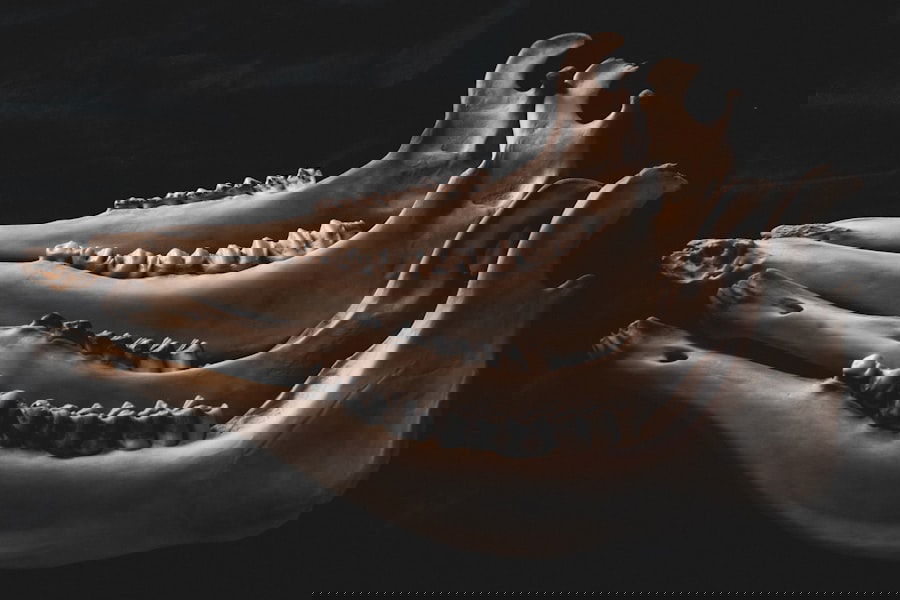
One of the primary functions of dentures is to restore the ability to chew food effectively. Missing teeth can significantly hinder one’s ability to eat a balanced diet, as certain foods become difficult or impossible to consume. Dentures provide the necessary support for chewing, allowing individuals to enjoy a wider variety of foods without discomfort or difficulty.
This restoration of function is crucial not only for nutrition but also for overall health, as a well-rounded diet contributes to better physical well-being. In addition to improving chewing capabilities, dentures also play a vital role in speech clarity. Many people with missing teeth experience challenges in pronunciation and articulation, which can lead to frustration and embarrassment during conversations.
Dentures help fill the gaps in the mouth, allowing for proper tongue placement and airflow when speaking.
Different Types of Dentures: Exploring Your Options
When considering dentures, it is essential to understand the various types available to determine which option best suits individual needs. Complete dentures are typically recommended for those who have lost all their natural teeth, while partial dentures are ideal for individuals who still have some remaining teeth. Additionally, there are immediate dentures, which are placed right after tooth extraction, allowing patients to avoid being without teeth during the healing process.
These immediate options can be particularly beneficial for those who may feel anxious about being toothless. Another option is implant-supported dentures, which combine the benefits of traditional dentures with dental implants for added stability. These dentures are anchored securely in place by implants surgically inserted into the jawbone, providing a more permanent solution that mimics the function of natural teeth.
This type of denture is especially advantageous for individuals who may struggle with traditional dentures slipping or causing discomfort. Each type of denture has its own set of advantages and considerations, making it crucial for patients to discuss their specific needs and preferences with their dentist.
The Process of Getting Dentures: What to Expect
| Benefit | Description | Metric/Impact |
|---|---|---|
| Improved Chewing Ability | Restores the ability to chew food effectively, aiding digestion and nutrition. | Up to 80% improvement in chewing efficiency compared to no dentures |
| Enhanced Speech | Helps in pronouncing words clearly by supporting lips and tongue placement. | Reduction in speech impediments by approximately 60% |
| Facial Structure Support | Prevents sagging of facial muscles, maintaining a youthful appearance. | Improves facial aesthetics and reduces wrinkles around mouth area |
| Boosted Self-Confidence | Improves smile and appearance, leading to higher self-esteem. | Reported increase in social interactions and confidence levels by 70% |
| Cost-Effective Tooth Replacement | Provides an affordable alternative to dental implants or bridges. | Lower initial and maintenance costs compared to implants |
| Customizable Fit | Can be tailored to individual mouth shape for comfort and functionality. | High patient satisfaction rates, over 85% report comfortable fit |
The journey to obtaining dentures typically begins with a comprehensive consultation with a dentist or prosthodontist. During this initial appointment, the dental professional will assess the patient’s oral health, discuss their specific needs, and outline the various options available. This assessment may include X-rays or other imaging techniques to evaluate bone structure and gum health.
Once a treatment plan is established, the next step involves taking impressions of the mouth to create custom-fitted dentures. After the impressions are taken, patients may receive temporary dentures while their permanent ones are being crafted. This interim solution allows individuals to adjust to wearing dentures and provides an opportunity for any necessary modifications before the final product is completed.
Once the permanent dentures are ready, patients will return for a fitting appointment where adjustments can be made to ensure optimal comfort and function. It is not uncommon for individuals to require several follow-up visits during this process as they adapt to their new prosthetics.
Maintaining Your Dentures: Tips for Proper Care and Cleaning
Proper care and maintenance of dentures are essential for ensuring their longevity and functionality. Just like natural teeth, dentures require regular cleaning to prevent plaque buildup and staining. It is recommended that individuals clean their dentures daily using a soft-bristled brush specifically designed for denture care.
Additionally, soaking dentures in a denture-cleaning solution overnight can help keep them fresh and free from odors. In addition to daily cleaning routines, it is crucial for denture wearers to maintain regular dental check-ups.
These appointments allow dental professionals to assess the fit and condition of the dentures, making any necessary adjustments or repairs as needed. Furthermore, regular visits help monitor oral health overall, ensuring that any potential issues related to gum health or bone loss are addressed promptly. By prioritizing proper care and maintenance, individuals can enjoy their dentures for many years while minimizing complications.
Overcoming Challenges: Common Issues with Dentures and How to Address Them
While dentures offer numerous benefits, they can also present challenges that some individuals may face during their adjustment period. One common issue is discomfort or soreness in the gums as they adapt to wearing prosthetics. This discomfort can often be alleviated through proper fitting adjustments made by a dental professional.
It is essential for patients experiencing persistent pain or irritation to communicate these concerns with their dentist promptly. Another challenge that some denture wearers encounter is difficulty with speaking or eating initially. It may take time for individuals to become accustomed to how their new dentures feel in their mouths, leading to temporary speech impediments or chewing difficulties.
Practicing speaking aloud or starting with softer foods can help ease this transition. Over time, most individuals find that they regain their confidence in both eating and speaking as they become more familiar with their dentures.
The Cost of Dentures: Understanding the Financial Investment
The financial investment associated with obtaining dentures can vary widely based on several factors, including the type of dentures chosen, geographic location, and whether additional procedures such as extractions or implants are required. On average, complete dentures can range from $1,000 to $3,000 per arch, while partial dentures may cost between $700 and $1,800 depending on complexity and materials used. It is important for patients to discuss costs upfront with their dental provider and inquire about payment plans or financing options that may be available.
Insurance coverage for dentures also varies significantly among providers; some plans may cover a portion of the costs while others may not provide any coverage at all. Patients should review their insurance policies carefully and consult with their dental office regarding any potential benefits they may be eligible for. Understanding the financial implications of obtaining dentures is crucial for making informed decisions about one’s oral health care.
When considering tooth replacement options, many individuals find themselves weighing the pros and cons of dentures versus dental implants. Dentures offer a non-invasive solution that can be completed relatively quickly compared to implants, which require surgical placement and a longer healing period before they can be fully functional. Additionally, traditional dentures tend to be more affordable upfront than implants, making them an attractive option for those on a budget.
On the other hand, dental implants provide a more permanent solution that closely mimics the function of natural teeth. Implants are anchored directly into the jawbone, which helps preserve bone density over time—a significant advantage over traditional dentures that may lead to bone loss due to lack of stimulation in the jaw area. However, implants require sufficient bone structure for placement; individuals with significant bone loss may need additional procedures such as bone grafting before they can qualify for implants.
Ultimately, the choice between dentures and implants depends on individual circumstances, preferences, and long-term oral health goals.
The Impact of Dentures on Overall Health and Wellbeing
The implications of wearing dentures extend beyond mere aesthetics; they play a significant role in overall health and well-being as well. Properly fitted dentures enable individuals to maintain a balanced diet by allowing them to chew various foods effectively. This ability contributes not only to better nutrition but also supports digestive health since chewing is an essential first step in digestion.
Moreover, wearing dentures can positively influence mental health by alleviating feelings of embarrassment associated with tooth loss. Improved self-esteem often leads individuals to engage more actively in social situations and pursue hobbies they may have previously avoided due to concerns about their appearance or ability to communicate effectively. The psychological benefits derived from wearing dentures can foster a greater sense of belonging and connection with others—key components of overall well-being.
Finding a Dentist: Tips for Choosing the Right Professional for Your Denture Needs
Selecting the right dentist for denture care is crucial for ensuring a positive experience throughout the process. When searching for a dental professional specializing in prosthodontics or denture services, it is essential to consider factors such as qualifications, experience level, and patient reviews. Seeking recommendations from friends or family members who have undergone similar procedures can provide valuable insights into potential providers.
Additionally, prospective patients should schedule consultations with multiple dentists before making a decision. During these appointments, individuals can assess not only the dentist’s expertise but also their communication style and willingness to address concerns or answer questions thoroughly. A good rapport with one’s dentist fosters trust and comfort throughout treatment—an important aspect when navigating any dental procedure involving significant changes like obtaining dentures.
Dentures can significantly improve the quality of life for individuals with missing teeth, offering benefits such as enhanced chewing ability, improved speech, and increased confidence. For those interested in understanding more about oral health and its various aspects, you might find the article on the importance of dental X-rays for oral health particularly informative, as it highlights how regular dental check-ups and imaging can help in maintaining overall oral hygiene and preventing further dental issues.
FAQs
What are dentures?
Dentures are removable dental appliances designed to replace missing teeth and surrounding tissues. They help restore the function and appearance of natural teeth.
What are the main types of dentures?
The two main types of dentures are complete dentures, which replace all teeth in the upper or lower jaw, and partial dentures, which replace one or more missing teeth while attaching to remaining natural teeth.
How do dentures improve oral health?
Dentures help maintain the structure of the mouth by supporting facial muscles, preventing the sagging that can occur with tooth loss. They also improve chewing ability and speech clarity.
Are dentures comfortable to wear?
Modern dentures are designed to fit comfortably, but it may take some time to adjust. Proper fitting by a dental professional and regular adjustments can enhance comfort.
How long do dentures last?
With proper care, dentures typically last between 5 to 10 years. Over time, changes in the mouth may require relining, rebasing, or replacement.
Can dentures be cleaned easily?
Yes, dentures can be cleaned daily using a soft brush and denture cleaner. Proper hygiene helps prevent infections and prolongs the life of the dentures.
Do dentures affect speech?
Initially, dentures may affect speech, but most people adapt quickly. Practice and adjustments by a dentist can help improve speech clarity.
Can dentures prevent bone loss?
Dentures do not prevent bone loss; however, they help maintain facial structure. Dental implants are more effective in preserving jawbone density.
Are dentures suitable for everyone with missing teeth?
Dentures are a common solution for many people with missing teeth, but suitability depends on individual oral health, bone structure, and personal preferences. A dental professional can recommend the best option.
How do dentures benefit overall quality of life?
Dentures improve the ability to eat a variety of foods, enhance appearance, boost self-confidence, and support clear communication, contributing to better overall quality of life.