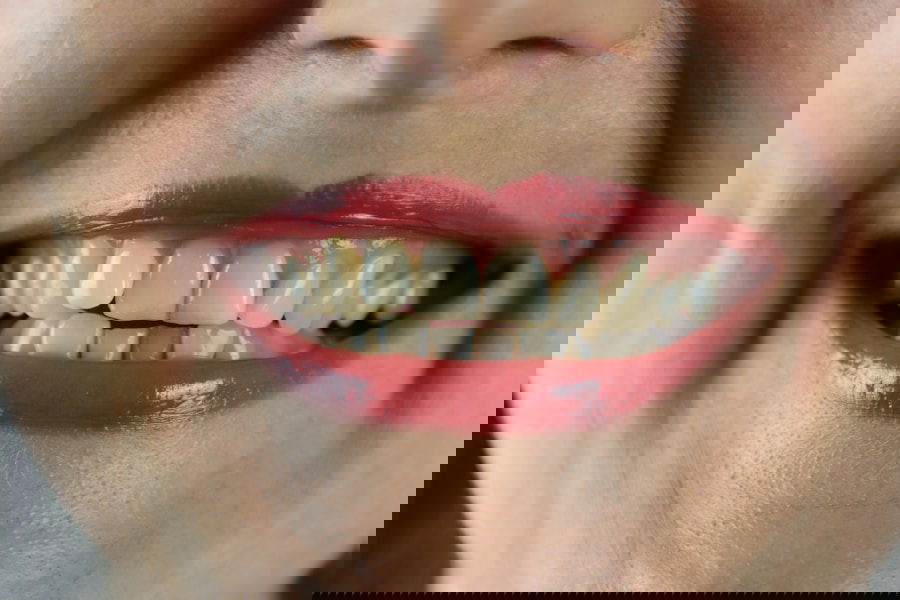
Dental veneers and crowns are two popular cosmetic and restorative dental treatments that serve distinct purposes in enhancing the appearance and functionality of teeth. Veneers are thin shells, typically made from porcelain or composite resin, that are custom-fitted to the front surface of teeth. They are primarily used to improve aesthetics, addressing issues such as discoloration, chips, gaps, and misalignment.
The application of veneers can dramatically transform a smile, providing a natural appearance while preserving much of the underlying tooth structure. On the other hand, dental crowns are caps that encase an entire tooth, providing strength and protection. Crowns are often recommended for teeth that have been significantly damaged due to decay, trauma, or extensive wear.
They can be made from various materials, including porcelain, metal, or a combination of both, depending on the specific needs of the patient and the location of the tooth. While crowns also contribute to aesthetic improvements, their primary function is to restore the tooth’s integrity and functionality, making them essential in cases where the tooth is compromised.
Key Takeaways
- Dental veneers are thin shells that are bonded to the front surface of teeth to improve their appearance, while dental crowns are caps that cover the entire tooth to restore its shape, size, and strength.
- Veneers are primarily used for cosmetic purposes, such as improving the appearance of discolored, chipped, or misaligned teeth, while crowns are used to restore and protect damaged or weakened teeth.
- The process of getting veneers involves minimal tooth reduction and is often completed in two visits, while getting crowns requires more tooth reduction and may take two or more visits to complete.
- Veneers are more prone to chipping and cracking compared to crowns, but with proper care, both can last for many years.
- The cost of veneers is generally lower than that of crowns, but the decision between the two should also consider the amount of tooth structure that needs to be removed.
Differences in Purpose and Function
Cosmetic vs. Restorative
Veneers are primarily cosmetic, designed to enhance the appearance of teeth without significantly altering their structure. Patients often seek veneers to address superficial issues such as staining or minor misalignment. For instance, someone with a chipped front tooth may opt for a veneer to restore its appearance without needing extensive dental work.
Restorative Role of Crowns
Conversely, crowns serve a more restorative role. They are used when a tooth has suffered significant damage or decay that cannot be effectively treated with fillings or other less invasive procedures. For example, a tooth that has undergone root canal therapy will often require a crown to protect it from further damage and to restore its function in chewing.
Key Differences in Purpose
In this way, while both veneers and crowns can improve the aesthetics of a smile, crowns are essential for maintaining the health and functionality of compromised teeth.
The process of obtaining dental veneers typically involves two visits to the dentist. During the first appointment, the dentist will assess the patient’s teeth and discuss their aesthetic goals. If veneers are deemed appropriate, the dentist will prepare the teeth by removing a small amount of enamel to ensure a proper fit.
Impressions of the teeth are then taken to create custom veneers that match the patient’s natural tooth color and shape. In some cases, temporary veneers may be placed while the permanent ones are being fabricated in a dental lab. In contrast, the process for crowns is more involved due to their restorative nature.
The initial visit also begins with an assessment and discussion of treatment options. If a crown is necessary, the dentist will prepare the tooth by removing any decay and shaping it to accommodate the crown. Impressions are taken to create a custom crown that fits securely over the prepared tooth.
Similar to veneers, temporary crowns may be placed while the permanent crown is being made. The second visit involves placing the crown and ensuring it fits comfortably and functions properly within the bite.
Durability and Longevity
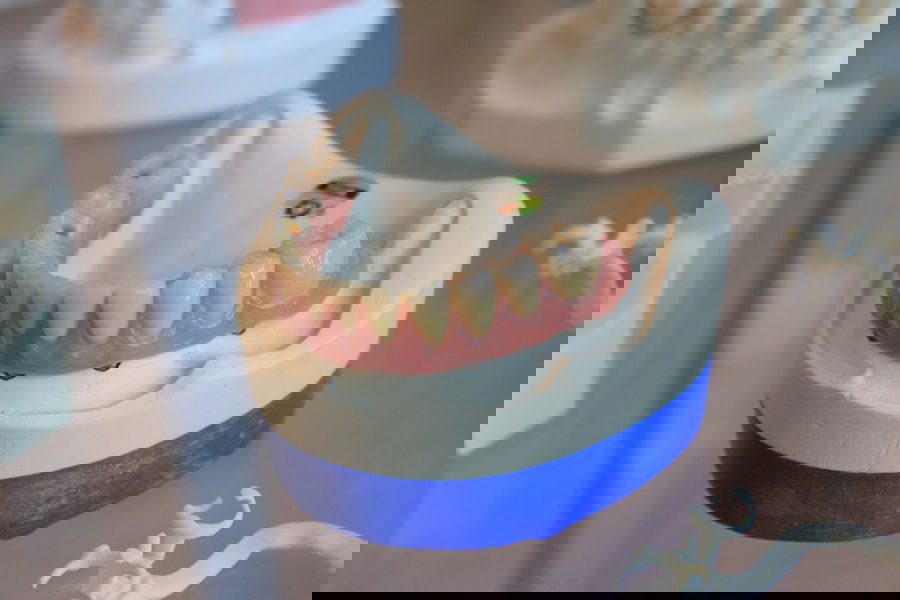
When considering durability and longevity, crowns generally have an advantage over veneers due to their robust construction. Crowns can last anywhere from 10 to 15 years or even longer with proper care. Their ability to withstand significant biting forces makes them ideal for molars and other teeth that endure heavy use during chewing.
Materials such as porcelain-fused-to-metal or all-ceramic crowns offer both strength and aesthetic appeal, making them suitable for various locations in the mouth. Veneers, while aesthetically pleasing, typically have a shorter lifespan than crowns. They usually last between 5 to 10 years before they may need replacement or repair.
Factors such as oral hygiene practices, dietary habits, and individual habits like teeth grinding can influence their longevity. Although modern materials have improved the durability of veneers, they are still more susceptible to chipping or cracking compared to crowns, particularly if subjected to excessive force.
Cost Comparison
| Service | Cost |
|---|---|
| Service A | 500 |
| Service B | 700 |
| Service C | 600 |
The cost of dental veneers and crowns can vary significantly based on several factors, including geographic location, the dentist’s experience, and the materials used. Generally speaking, veneers tend to be less expensive than crowns on a per-unit basis. The average cost for a single veneer can range from $800 to $2,500, depending on the material and complexity of the case.
This price reflects not only the material costs but also the artistry involved in crafting a veneer that blends seamlessly with existing teeth. In contrast, dental crowns typically range from $1,000 to $3,500 per crown. The higher cost is often attributed to the more complex procedure involved in preparing a tooth for a crown and the materials used in its construction.
For instance, all-ceramic crowns tend to be on the higher end of the price spectrum due to their aesthetic qualities and strength. Insurance coverage can also differ; many plans may cover a portion of the cost for crowns used in restorative procedures but may not cover cosmetic veneers.
Considerations for Tooth Structure
When deciding between veneers and crowns, it is crucial to consider the existing condition of the tooth structure. If a tooth is relatively healthy with minor cosmetic issues such as discoloration or slight misalignment, veneers may be an ideal solution. They require minimal alteration of the natural tooth structure, preserving more of the enamel compared to crowns.
However, if a tooth has significant decay or structural damage—such as fractures or extensive wear—crowns become necessary for restoration. Crowns provide comprehensive coverage and support for compromised teeth, ensuring they can withstand normal chewing forces without risk of further damage. In some cases, dentists may recommend crowns even for teeth that could potentially be treated with veneers if they believe that additional protection is warranted based on the patient’s oral health history.
Maintenance and Care
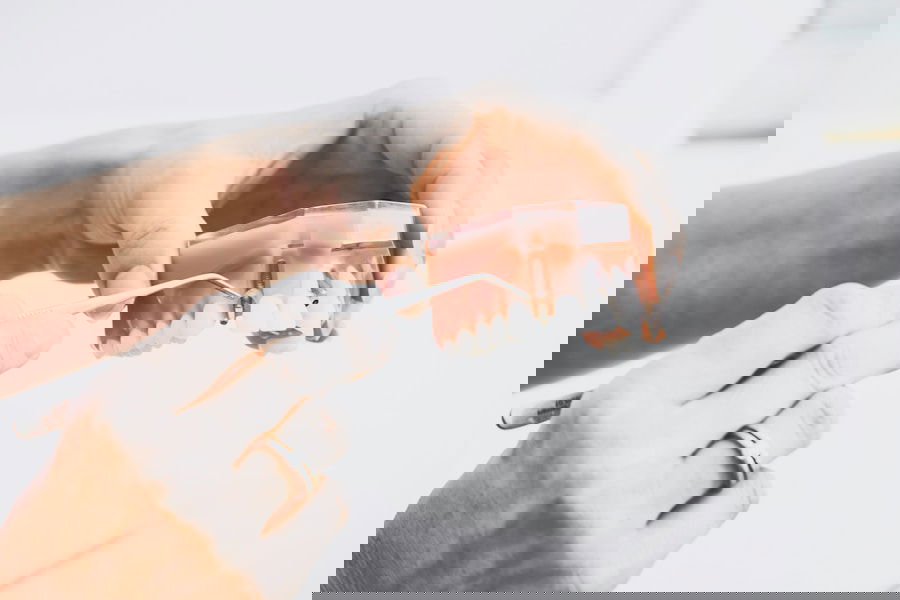
Both dental veneers and crowns require diligent oral hygiene practices to ensure their longevity and maintain overall oral health. For veneers, patients should continue regular brushing and flossing routines while avoiding abrasive toothpaste that could scratch their surface. It is also advisable to limit consumption of hard foods that could chip or crack veneers.
Crowns require similar care; however, patients should be particularly cautious about grinding their teeth or using them as tools for opening packages or bottles, as this can lead to damage over time. Regular dental check-ups are essential for both treatments; dentists can monitor their condition and address any issues before they escalate into more significant problems.
Making the Decision: Veneers or Crowns
Choosing between dental veneers and crowns ultimately depends on individual needs and circumstances. Patients seeking purely cosmetic enhancements may find veneers more appealing due to their ability to transform smiles with minimal alteration of natural teeth. Those with damaged or decayed teeth requiring restoration will likely benefit more from crowns due to their protective qualities.
Consultation with a qualified dentist is crucial in making this decision.
By understanding the differences in purpose, process, durability, cost, and maintenance between veneers and crowns, patients can make informed choices that lead to healthier smiles and greater confidence in their appearance.
When considering options for improving your smile, it’s important to weigh the differences between dental veneers and dental crowns. Dental veneers are thin shells that are bonded to the front of teeth to improve their appearance, while dental crowns are caps that cover the entire tooth to restore its shape and function. To further explore the topic of orthodontic treatments, you may be interested in learning about Invisalign, a clear aligner system that can straighten teeth without the need for traditional braces. Check out this article to discover more about this innovative orthodontic option.
FAQs
What are dental veneers?
Dental veneers are thin, custom-made shells of tooth-colored materials designed to cover the front surface of teeth to improve their appearance. They are typically made of porcelain or resin composite materials.
What are dental crowns?
Dental crowns, also known as caps, are dental restorations that encase the entire visible portion of a tooth. They are often used to restore the shape, size, and strength of a tooth, as well as improve its appearance.
What are the differences between dental veneers and dental crowns?
Dental veneers are primarily used for cosmetic purposes, such as improving the appearance of teeth by changing their color, shape, size, or length. Dental crowns, on the other hand, are used for both cosmetic and restorative purposes, such as covering a damaged or decayed tooth, restoring its function, and protecting it from further damage.
Which is more suitable for cosmetic purposes, dental veneers or dental crowns?
Dental veneers are more suitable for cosmetic purposes, as they are specifically designed to improve the appearance of teeth by addressing issues such as discoloration, chipping, or gaps. Dental crowns, while also capable of improving the appearance of teeth, are more commonly used for restorative purposes.
What is the procedure for getting dental veneers?
The procedure for getting dental veneers typically involves multiple visits to the dentist. It includes consultation, tooth preparation, taking impressions, and bonding the veneers to the teeth. The process may vary depending on the individual’s specific needs and the type of veneers used.
What is the procedure for getting dental crowns?
The procedure for getting dental crowns also involves multiple visits to the dentist. It includes tooth preparation, taking impressions, temporary crown placement, and final crown placement. The process may vary depending on the extent of tooth damage and the type of crown used.
What are the costs associated with dental veneers and dental crowns?
The costs of dental veneers and dental crowns can vary depending on factors such as the material used, the complexity of the case, and the location of the dental practice. Generally, dental veneers tend to be less expensive than dental crowns, but it is important to consult with a dentist to get an accurate cost estimate based on individual needs.
How long do dental veneers and dental crowns last?
With proper care and maintenance, dental veneers can last between 10 to 15 years, while dental crowns can last between 5 to 15 years. However, the lifespan of both dental veneers and dental crowns can vary depending on individual oral hygiene habits and the amount of wear and tear they are subjected to.