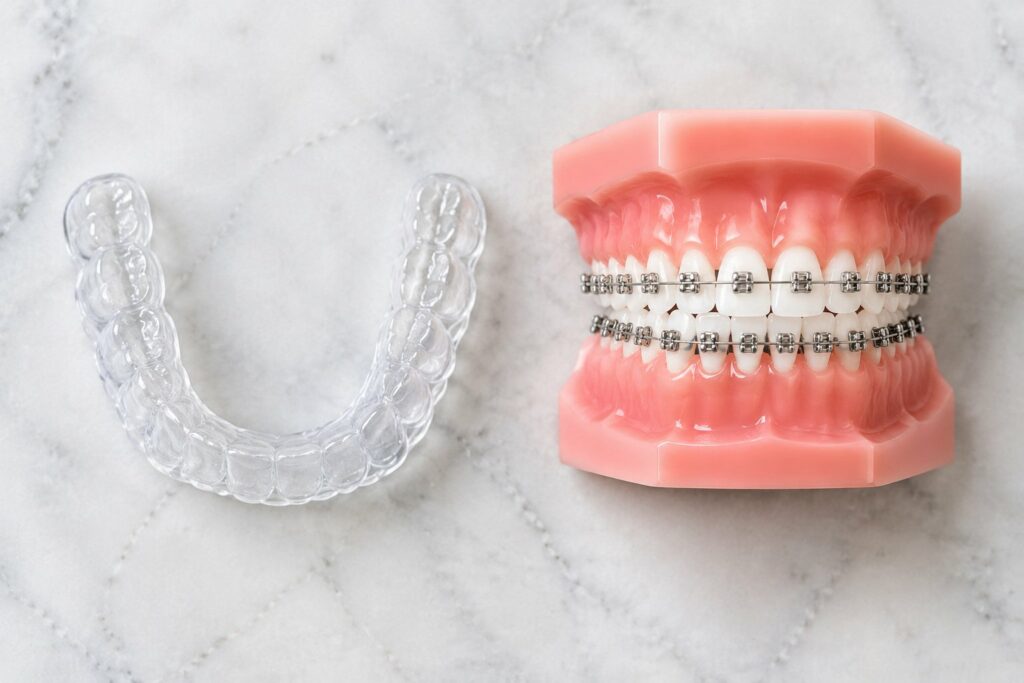
When it comes to orthodontic treatment, two of the most popular options are traditional metal braces and clear aligners, such as Invisalign. While both methods aim to straighten teeth and improve overall dental health, they differ significantly in their design, application, and patient experience. Traditional braces consist of metal brackets that are bonded to the teeth and connected by wires.
This system applies continuous pressure to the teeth, gradually moving them into the desired position. In contrast, clear aligners are custom-made plastic trays that fit snugly over the teeth. They are designed to be removable, allowing for greater flexibility in daily life.
The mechanics of how these two systems work also vary considerably. Metal braces utilize a fixed appliance approach, meaning they remain on the teeth throughout the treatment period. This can be beneficial for complex cases that require significant tooth movement or adjustments.
Clear aligners, however, rely on a series of trays that are changed approximately every two weeks. Each new tray is slightly different from the last, applying targeted pressure to specific teeth. This distinction not only affects the treatment process but also influences patient compliance and comfort levels.
Key Takeaways
- Invisalign and traditional braces have different mechanisms of action and treatment processes
- Lifestyle and appearance considerations include dietary restrictions and visibility of the orthodontic appliance
- Treatment duration and maintenance vary between Invisalign and traditional braces
- Cost and insurance coverage may differ for Invisalign and traditional braces
- Effectiveness and suitability for different cases should be discussed with an orthodontist
- Comfort and convenience are important factors to consider when choosing between Invisalign and traditional braces
- Potential risks and complications should be understood before starting orthodontic treatment
- Consultation with an orthodontist is crucial for making an informed decision about orthodontic treatment
Considerations for Lifestyle and Appearance
Lifestyle considerations play a crucial role in choosing between braces and clear aligners. For individuals who lead active lives or participate in contact sports, clear aligners may offer a distinct advantage. Since they are removable, patients can take them out during physical activities, reducing the risk of injury to the mouth.
Additionally, clear aligners are virtually invisible, making them an appealing option for adults and teens who may feel self-conscious about their appearance during treatment. The aesthetic appeal of clear aligners can significantly impact a patient’s confidence, especially in social or professional settings. On the other hand, traditional braces can be more challenging for those who prioritize aesthetics.
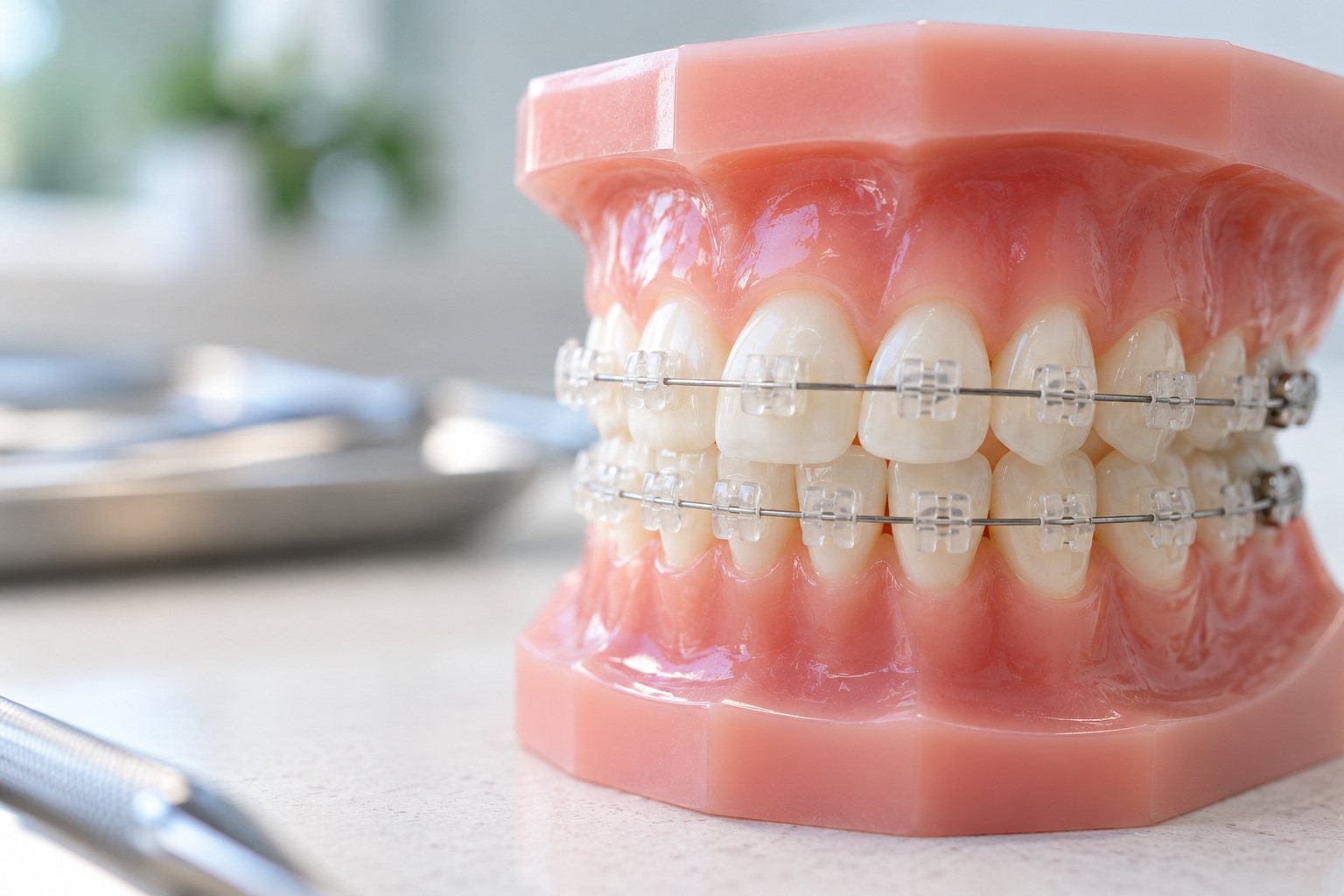
The metal brackets and wires are highly visible, which can be a source of discomfort for some patients. However, advancements in orthodontic technology have led to the development of less conspicuous options, such as ceramic braces that blend with the natural color of teeth. These alternatives provide a middle ground for patients who desire the effectiveness of braces while minimizing their visual impact.
Ultimately, the choice between these two options often hinges on personal preferences regarding lifestyle and appearance.
Treatment Duration and Maintenance

The duration of orthodontic treatment can vary widely depending on the complexity of the case and the chosen method. Generally speaking, traditional braces tend to require a longer treatment time compared to clear aligners. On average, patients with metal braces may expect to wear them for 18 to 36 months, while clear aligners typically achieve results in about 12 to 18 months.
However, this timeline can fluctuate based on individual factors such as age, severity of misalignment, and adherence to treatment protocols. Maintenance is another critical aspect to consider when evaluating these two options. Metal braces require regular visits to the orthodontist for adjustments and tightening of wires, which can be time-consuming and may necessitate lifestyle adjustments.
Patients must also be diligent about oral hygiene since food particles can easily become trapped around brackets and wires. Clear aligners, conversely, allow for easier maintenance; patients can remove them while eating and brushing their teeth, promoting better oral hygiene practices throughout treatment. This ease of maintenance can be particularly appealing for busy individuals or those with demanding schedules.
For more information on orthodontic treatment duration and maintenance, you can visit the American Association of Orthodontists website.
Cost and Insurance Coverage
| Insurance Provider | Cost Coverage | Out-of-Pocket Costs |
|---|---|---|
| ABC Insurance | 80% | 500 deductible |
| XYZ Insurance | 90% | 300 deductible |
Cost is often a significant factor in deciding between braces and clear aligners. Traditional metal braces generally have a lower initial cost compared to clear aligners, making them a more accessible option for many patients. The average cost of metal braces ranges from $3,000 to $7,000, depending on the complexity of the case and geographic location.
Clear aligners tend to be more expensive, with costs typically ranging from $4,000 to $8,000. This price difference can be a deciding factor for patients who are budget-conscious or have limited financial resources. Insurance coverage also plays a vital role in determining which treatment option is more feasible for patients.
Many dental insurance plans offer partial coverage for orthodontic treatments; however, the extent of coverage can vary significantly between plans and providers. Some plans may cover traditional braces more comprehensively than clear aligners due to their long-standing presence in orthodontics. Patients should carefully review their insurance policies and consult with their orthodontist’s office to understand what costs will be covered and what out-of-pocket expenses they may incur.
Effectiveness and Suitability for Different Cases
Effectiveness is a critical consideration when choosing between braces and clear aligners. Traditional metal braces are often regarded as the gold standard in orthodontics due to their ability to address a wide range of dental issues effectively. They are particularly well-suited for complex cases involving significant tooth movement or jaw alignment issues.
The fixed nature of braces allows orthodontists to exert precise control over tooth positioning throughout treatment. Clear aligners have made significant strides in recent years and can effectively treat many mild to moderate orthodontic issues such as crowding, spacing, and minor bite discrepancies. However, they may not be suitable for more complex cases that require extensive tooth movement or adjustments.
Orthodontists often evaluate each patient’s unique situation before recommending a treatment plan. Factors such as age, dental health history, and specific alignment issues will influence whether braces or clear aligners are deemed more appropriate.
Comfort and Convenience

Discomfort with Traditional Metal Braces
Many patients experience discomfort during the initial adjustment period and after each tightening appointment with traditional metal braces. The brackets can irritate the soft tissues of the mouth, leading to soreness or ulcers in some cases.
Advancements in Orthodontic Technology
However, advancements in orthodontic technology have led to the development of smaller brackets and more comfortable wires that reduce discomfort levels. Clear aligners are often perceived as more comfortable than traditional braces since they do not have any protruding parts that can irritate the gums or cheeks.
Benefits of Clear Aligners
The smooth plastic material used in aligners minimizes friction against oral tissues, making them easier to wear for extended periods. Additionally, because they are removable, patients have the convenience of taking them out during meals or special occasions without compromising their treatment plan significantly.
Potential Risks and Complications
As with any medical treatment, both braces and clear aligners come with potential risks and complications that patients should be aware of before making a decision. Traditional metal braces can lead to issues such as tooth decay or gum disease if proper oral hygiene is not maintained throughout treatment. The brackets can trap food particles, making it essential for patients to adopt rigorous brushing and flossing routines.
Clear aligners also carry risks; improper use or failure to wear them for the recommended 20-22 hours per day can lead to suboptimal results or prolonged treatment times.
It is crucial for patients to communicate openly with their orthodontist about any concerns or complications that arise during treatment.
Consultation and Decision-making Process
The decision-making process regarding orthodontic treatment should begin with a thorough consultation with an experienced orthodontist. During this initial visit, the orthodontist will conduct a comprehensive evaluation of the patient’s dental health, including X-rays and photographs if necessary. This assessment will help determine which treatment option is most suitable based on individual needs and goals.
Patients should come prepared with questions about both braces and clear aligners during their consultation. Understanding the pros and cons of each option will empower individuals to make informed decisions about their orthodontic care. Factors such as lifestyle preferences, budget constraints, and specific dental issues should all be considered when weighing options.
Ultimately, collaboration between the patient and orthodontist will lead to a tailored treatment plan that aligns with both aesthetic desires and functional needs.
If you are considering options for straightening your teeth, you may want to read more about the benefits of clear aligner therapy. This article on restoring your smile. For more information about the dental services offered at White Pearl Dental Care, visit their about page.
FAQs
What is Invisalign?
Invisalign is a type of orthodontic treatment that uses clear, removable aligners to straighten teeth.
What are traditional braces?
Traditional braces are metal or ceramic brackets that are bonded to the teeth and connected by wires to straighten and align teeth.
How do Invisalign and traditional braces work?
Invisalign works by using a series of custom-made clear aligners that gradually shift the teeth into the desired position. Traditional braces work by applying continuous pressure to the teeth to move them into the correct alignment.
What are the main differences between Invisalign and traditional braces?
The main difference is that Invisalign aligners are virtually invisible, removable, and more comfortable compared to traditional braces, which are fixed and visible.
Which is more effective, Invisalign or traditional braces?
Both Invisalign and traditional braces are effective in straightening teeth. The effectiveness of each treatment depends on the individual’s specific orthodontic needs.
What are the advantages of Invisalign over traditional braces?
Some advantages of Invisalign include being virtually invisible, removable for eating and cleaning, and generally more comfortable compared to traditional braces.
What are the advantages of traditional braces over Invisalign?
Traditional braces are often more effective for complex orthodontic issues and may be a more suitable option for some patients, especially those with severe misalignment or bite issues.
Which option is more affordable, Invisalign or traditional braces?
The cost of Invisalign and traditional braces can vary depending on the individual’s specific orthodontic needs and the location of the treatment. In general, traditional braces may be more affordable than Invisalign.
How long does treatment with Invisalign and traditional braces typically take?
The length of treatment with Invisalign and traditional braces varies depending on the individual’s orthodontic needs. In general, treatment with Invisalign may take a similar amount of time as traditional braces.