
There are several ways to straighten teeth and correct a bite, from fixed braces to removable clear aligners. This article explains each option, what it suits, its advantages and drawbacks, and what is involved in treatment and afterwards. The right choice depends on the problem being treated, age, lifestyle and preferences.
Traditional metal braces
Stainless steel brackets are bonded to the teeth and connected by a wire, often held with small elastic ties that come in different colours. The wire is adjusted at regular appointments to keep moving the teeth. Braces can treat a wide range of problems, including severe crowding, large gaps and bite problems.
Drawbacks are that braces are visible, can cause sore spots and some discomfort after adjustments, and make cleaning harder because food and plaque collect around the brackets. Hard and sticky foods should be avoided. Treatment often takes from about 18 months to three years.
Ceramic braces
Ceramic braces work like metal braces but use clear or tooth-coloured brackets, so they are less noticeable. The brackets are more prone to chipping, and the ties can stain from foods and drinks. The same food and cleaning care applies as with metal braces.
Lingual braces
Lingual braces are custom-made and fitted to the inside surfaces of the teeth, so they cannot be seen from the front. They can treat many of the same problems as conventional braces. They can feel uncomfortable for the tongue at first, may affect speech for a while, are harder to clean, and need specific training to fit and adjust.
Self-ligating braces
Self-ligating brackets have a built-in clip that holds the wire, instead of elastic or metal ties. They can be metal or ceramic and have fewer parts to clean around. Claims that they are faster, more comfortable or need fewer visits have not been consistently supported by research; for most people they work much like conventional braces.
Clear aligners
Clear aligners, such as Invisalign and ClearCorrect, are a series of thin, removable plastic trays made from a 3D scan of the teeth. Each tray is worn for about one to two weeks and moves the teeth a small step. They are much less noticeable than braces and come out for eating and cleaning.
Aligners work best for mild to moderate crowding, spacing and some bite problems. They need to be worn for 20–22 hours a day, so results depend on consistent wear. Complex cases with large tooth movements or jaw problems may need braces or other treatment. Aligners should be prescribed and monitored by a dentist after an examination.
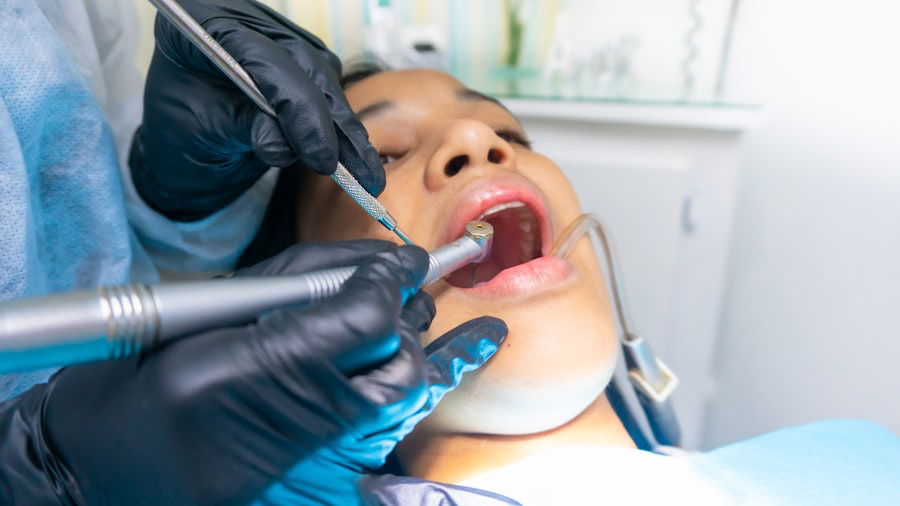
What is involved with aligners
- Consultation. The teeth and gums are examined, with X-rays and photographs if needed, to check suitability.
- Scans or impressions. These are used to build a 3D model of the teeth.
- Planning. Software is used to plan each stage of tooth movement and the number of aligners.
- Fitting. The first aligners are fitted, often with several sets supplied at once, along with instructions.
- Check-ups. Progress is reviewed regularly, and the plan adjusted if needed.
Wearing aligners comfortably
- Wear them 20–22 hours a day; phone reminders and a routine help.
- Expect pressure or tightness for a few days with each new set. Over-the-counter pain relief can help, and orthodontic wax can ease any rubbing.
- Take them out to eat or drink anything other than water. Do not chew gum with them in.
- Brush, and ideally floss, before putting them back in. Clean the aligners daily with a soft brush and mild soap; toothpaste can scratch them.
- Keep them in their case when they are out.
Surgical orthodontics
Some severe overbites, underbites or jaw asymmetries cannot be corrected by moving teeth alone. In these cases braces are combined with jaw surgery. A dentist or orthodontist and an oral and maxillofacial surgeon plan treatment together: braces usually align the teeth before surgery and fine-tune them afterwards. This approach involves careful planning and a recovery period.
Headgear
Headgear attaches to the back teeth and uses a strap around the head or neck to guide jaw growth in children and adolescents, most often to correct overbites. It is worn for a set number of hours each day or overnight, and results depend on wearing it as prescribed.
Accelerated orthodontics
Some techniques aim to speed up tooth movement, such as vibration devices or minor surgical procedures on the bone around the teeth. Evidence for vibration devices is limited, and surgical methods add risks and recovery time. They are not suitable for everyone and are worth discussing carefully before deciding.
Retainers
After any straightening treatment, teeth tend to drift back towards their old positions, so retainers are needed. Fixed retainers are a thin wire bonded behind the front teeth; removable retainers are clear plastic or acrylic. Removable retainers are usually worn full-time at first and then part-time, such as at night, as advised. Regular check-ups help make sure retainers still fit.
Choosing an option
| Option | Visibility | Suits | Main considerations |
|---|---|---|---|
| Metal braces | Visible | Wide range, including complex cases | Food restrictions; harder cleaning |
| Ceramic braces | Less visible | Wide range | Brackets can chip; ties can stain |
| Lingual braces | Hidden | Many cases | Tongue discomfort and speech changes at first |
| Self-ligating braces | Visible or less visible | Wide range | Similar results to conventional braces |
| Clear aligners | Much less visible | Mild to moderate cases | Must be worn 20–22 hours a day |
The choice depends on the type and severity of the problem, appearance, comfort, lifestyle, treatment time and budget. An examination will show which options suit a particular case.
Possible risks
All orthodontic treatment can cause temporary soreness. Poor cleaning during treatment can lead to decay, white marks on the teeth or gum inflammation. Less commonly, tooth roots can shorten slightly (root resorption). Without retainers, teeth can move back.
Common questions
How long does treatment take?
From several months to a few years, depending on the problem and the method. Clear aligner treatment often takes around 6 to 18 months; braces often take longer for complex cases.
Is there an age limit?
No. Children, teenagers and adults can all have orthodontic treatment, although the best approach varies with age and dental development. Aligners are mostly used once the adult teeth are through.
Related reading
This article is general information only and is not a substitute for advice from a dentist who has examined you.