Braces are not merely a cosmetic enhancement; they serve a multitude of functional purposes that contribute to overall oral health. One of the primary benefits of braces is their ability to correct misaligned teeth and jaws, which can lead to a host of dental issues if left untreated. Misalignment can cause uneven wear on teeth, leading to premature decay and increased risk of gum disease.
By straightening teeth, braces help ensure that they meet properly when biting and chewing, which can alleviate stress on the jaw and reduce the likelihood of developing temporomandibular joint (TMJ) disorders. Moreover, braces can significantly enhance a person’s self-esteem. Many individuals who undergo orthodontic treatment report feeling more confident in their appearance once their teeth are straightened.
This boost in self-image can have far-reaching effects, influencing social interactions, professional opportunities, and even mental health. The psychological benefits of having a straight smile are often as impactful as the physical improvements, making braces a worthwhile investment for many.
Key Takeaways
- Braces can improve oral health by correcting misaligned teeth and bite issues, reducing the risk of tooth decay and gum disease.
- There are various types of braces available, including traditional metal braces, ceramic braces, lingual braces, and clear aligners like Invisalign, each with their own benefits and considerations.
- The process of getting braces involves a consultation with an orthodontist, taking X-rays and impressions, and the actual placement of the braces, which may cause some discomfort initially.
- Maintaining oral hygiene with braces requires extra care, including regular brushing and flossing, using interdental brushes, and avoiding certain foods that can damage the braces.
- Discomfort and adjustment to braces are common initially, but can be managed with over-the-counter pain relief, wax to cover any sharp edges, and sticking to soft foods.
- Braces can transform a person’s smile by straightening teeth, improving bite function, and boosting confidence and self-esteem.
- Potential risks and complications of braces include tooth decay, gum disease, and damage to the roots of the teeth, which can be minimized with proper care and regular dental check-ups.
- Alternatives to traditional braces, such as clear aligners, lingual braces, and accelerated orthodontics, offer different options for those seeking orthodontic treatment.
Types of Braces Available
Traditional Metal Braces
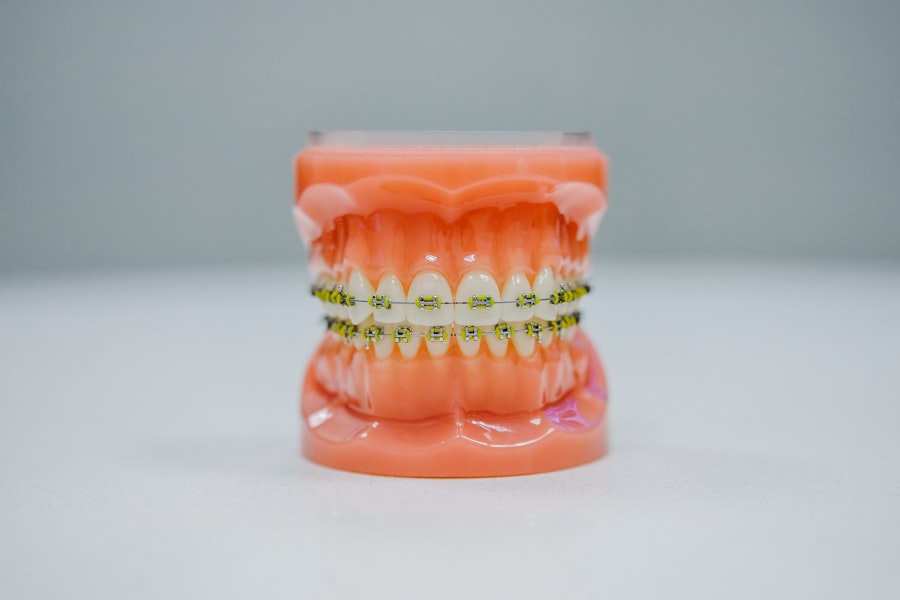
Traditional metal braces are the most common type, consisting of metal brackets bonded to the teeth and connected by wires. These braces are highly effective for correcting a wide range of dental issues, from minor misalignments to severe bite problems. They are also typically the most affordable option, making them accessible to a broader range of patients.
Ceramic Braces
Ceramic braces offer a more aesthetic alternative to traditional metal braces. Made from clear or tooth-colored materials, ceramic braces blend in with the natural color of the teeth, making them less noticeable than their metal counterparts. While they function similarly to traditional braces, they may be more prone to staining and require careful maintenance.
Lingual Braces
Lingual braces, which are attached to the back of the teeth, provide an even more discreet option for those who wish to keep their orthodontic treatment hidden from view. However, they can be more challenging to clean and may cause more discomfort initially due to their placement.
The Process of Getting Braces
The journey to achieving a straighter smile begins with an initial consultation with an orthodontist. During this appointment, the orthodontist will conduct a thorough examination of the patient’s teeth and jaws, often utilizing X-rays and digital imaging to assess alignment and bite issues. Based on this evaluation, the orthodontist will develop a personalized treatment plan that outlines the type of braces recommended and the estimated duration of treatment.
Once the treatment plan is established, the next step involves placing the braces on the teeth. This process typically takes about one to two hours and involves cleaning the teeth, applying a bonding agent, and attaching brackets. After the brackets are secured, wires are threaded through them and fastened with elastic bands.
Patients may experience some discomfort during this initial appointment as their mouths adjust to the new hardware. Follow-up visits are scheduled every four to six weeks to monitor progress and make necessary adjustments to the wires and bands.
Tips for Maintaining Oral Hygiene with Braces
| Tip | Description |
|---|---|
| Brushing | Brush after every meal and snack, using a soft-bristled toothbrush and fluoride toothpaste. |
| Flossing | Use special orthodontic floss or a floss threader to clean between teeth and under wires. |
| Diet | Avoid sticky, hard, or sugary foods that can damage braces and increase the risk of cavities. |
| Regular Check-ups | Visit your orthodontist regularly for adjustments and to ensure your braces are in good condition. |
| Mouthwash | Use an antimicrobial mouthwash to help reduce plaque and prevent gum disease. |
Maintaining oral hygiene while wearing braces is crucial for preventing cavities and gum disease. The presence of brackets and wires creates additional surfaces where plaque can accumulate, making regular brushing and flossing essential. Orthodontists typically recommend using a soft-bristled toothbrush and fluoride toothpaste to clean around brackets effectively.
It is advisable to brush after every meal to remove food particles and plaque buildup. Flossing can be more challenging with braces, but it is not impossible. Special floss threaders or orthodontic flossers can help navigate around brackets and wires.
Additionally, using an interdental brush can assist in cleaning between teeth where traditional floss may struggle to reach. Mouthwash containing fluoride can also be beneficial in reducing plaque buildup and strengthening enamel during orthodontic treatment.
Dealing with Discomfort and Adjusting to Braces
Adjusting to braces can be a challenging experience for many patients, particularly in the initial stages of treatment. It is common to experience discomfort or soreness in the mouth as the teeth begin to shift into their new positions. This discomfort typically peaks within a few days after getting braces or after adjustments but usually subsides as the mouth acclimates to the new hardware.
To manage discomfort, over-the-counter pain relievers such as ibuprofen or acetaminophen can be effective. Additionally, orthodontists often recommend using orthodontic wax to cover any areas where brackets may irritate the cheeks or gums. Soft foods can also make eating more comfortable during this adjustment period; options like yogurt, mashed potatoes, and smoothies can provide nourishment without exacerbating discomfort.
How Braces Can Transform Your Smile
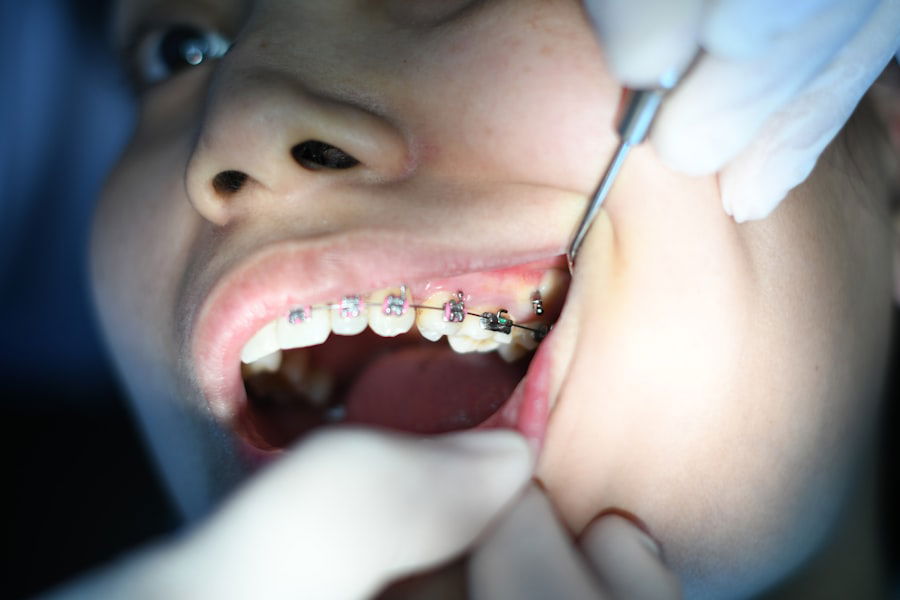
The transformative power of braces extends beyond mere aesthetics; they can significantly alter an individual’s overall facial structure and profile. As teeth are gradually moved into alignment, patients often notice improvements in their facial symmetry and jawline definition. This change can enhance not only the smile but also contribute positively to one’s overall appearance.
Moreover, the long-term benefits of having straight teeth go beyond visual appeal. Properly aligned teeth facilitate better oral function, making it easier to chew food effectively and speak clearly. This functional improvement can lead to better digestion and enhanced communication skills, further contributing to an individual’s confidence in social situations.
Potential Risks and Complications of Braces
While braces are generally safe and effective, there are potential risks and complications that patients should be aware of before undergoing treatment. One common concern is tooth decay or gum disease resulting from inadequate oral hygiene during treatment.
Another potential complication is root resorption, where the roots of teeth may shorten during orthodontic treatment due to pressure exerted by braces. While this is relatively rare, it can occur in some patients and may affect long-term tooth stability. Additionally, some individuals may experience allergic reactions to materials used in braces or develop sores in their mouths due to friction from brackets or wires.
Exploring Alternatives to Traditional Braces
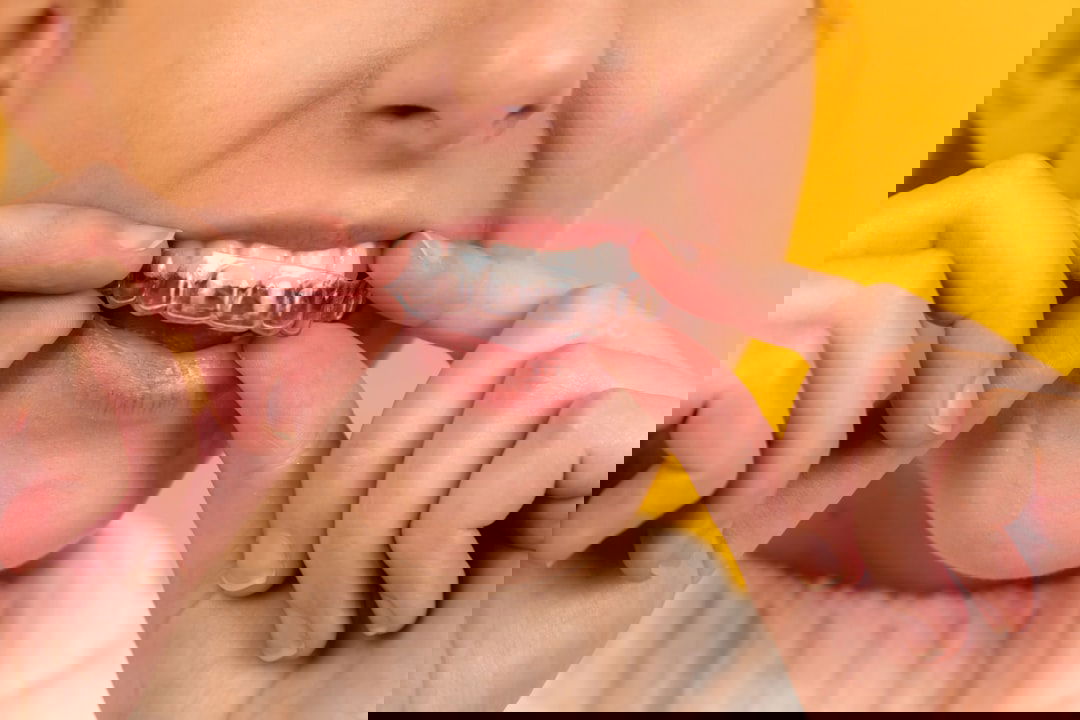
For those who seek alternatives to traditional braces, several options are available that cater to different preferences and lifestyles. Clear aligners, such as Invisalign, have gained popularity for their discreet appearance and removable nature. These custom-made plastic trays gradually shift teeth into alignment without the need for brackets or wires.
Patients appreciate the flexibility of being able to remove aligners for eating or special occasions. Another alternative is self-ligating braces, which utilize a specialized clip instead of elastic bands to hold the wire in place. This design reduces friction and allows for quicker adjustments, potentially shortening treatment time compared to traditional braces.
Additionally, some patients may opt for accelerated orthodontics techniques that use devices or procedures designed to speed up tooth movement. In conclusion, understanding the multifaceted benefits of braces reveals their importance not only in achieving a beautiful smile but also in promoting overall oral health. With various types available and a clear process for obtaining them, patients can embark on their orthodontic journey with confidence while being mindful of maintaining proper hygiene and managing discomfort along the way.
As technology advances, alternatives continue to emerge, providing even more options for individuals seeking effective solutions for misaligned teeth.
If you are considering getting braces to improve your smile, you may want to check out this article on