
Orthodontics is a specialized branch of dentistry that focuses on diagnosing, preventing, and treating dental and facial irregularities. The primary goal of orthodontics is to achieve a harmonious alignment of the teeth and jaws, which not only enhances aesthetic appeal but also improves overall oral function. The field has evolved significantly over the years, incorporating advanced technologies and techniques that allow for more effective and comfortable treatment options.
At its core, orthodontics utilizes various appliances, such as braces and aligners, to exert gentle pressure on the teeth, gradually moving them into their desired positions. The process begins with a comprehensive evaluation, which typically includes clinical examinations, X-rays, and impressions of the teeth. This information helps orthodontists create a customized treatment plan tailored to the individual’s specific needs.
The mechanics of tooth movement are based on biological principles; when pressure is applied to a tooth, the surrounding bone remodels over time, allowing the tooth to shift into a new position. This intricate process requires careful planning and monitoring to ensure that the treatment progresses as intended, minimizing discomfort and maximizing results.
Key Takeaways
- Orthodontics is a branch of dentistry that focuses on correcting misaligned teeth and jaws to improve oral health and aesthetics.
- Common orthodontic issues like crooked teeth, overbite, and underbite can impact your smile, confidence, and overall oral health.
- Orthodontic treatment can benefit your oral health by improving bite function, reducing the risk of tooth decay and gum disease, and alleviating jaw pain.
- There are various types of orthodontic treatments available, including traditional braces, clear aligners, and retainers, each with its own advantages and considerations.
- Choosing the right orthodontic treatment involves considering factors such as the severity of your orthodontic issues, treatment duration, and aesthetic preferences.
Common Orthodontic Issues and Their Impact on Your Smile
Crowding and Spacing
One common issue is crowding, where there is insufficient space in the dental arch for all teeth to fit properly. This can result in overlapping teeth, making them difficult to clean and increasing the risk of cavities and gum disease. Another common problem is spacing, which occurs when there are gaps between teeth due to missing teeth or natural variations in tooth size. Both crowding and spacing can detract from the overall appearance of a smile.
Malocclusion
Malocclusion, or misalignment of the bite, is another significant concern in orthodontics. This can manifest in various forms, such as overbites, underbites, crossbites, and open bites. An overbite occurs when the upper front teeth significantly overlap the lower front teeth, while an underbite is characterized by the lower teeth protruding beyond the upper teeth. Crossbites happen when one or more upper teeth bite inside the lower teeth, leading to uneven wear and potential jaw discomfort.
Functional and Aesthetic Concerns
These issues not only affect aesthetics but can also lead to functional problems such as difficulty chewing, jaw pain, and even speech impediments.
The Benefits of Orthodontic Treatment for Your Oral Health
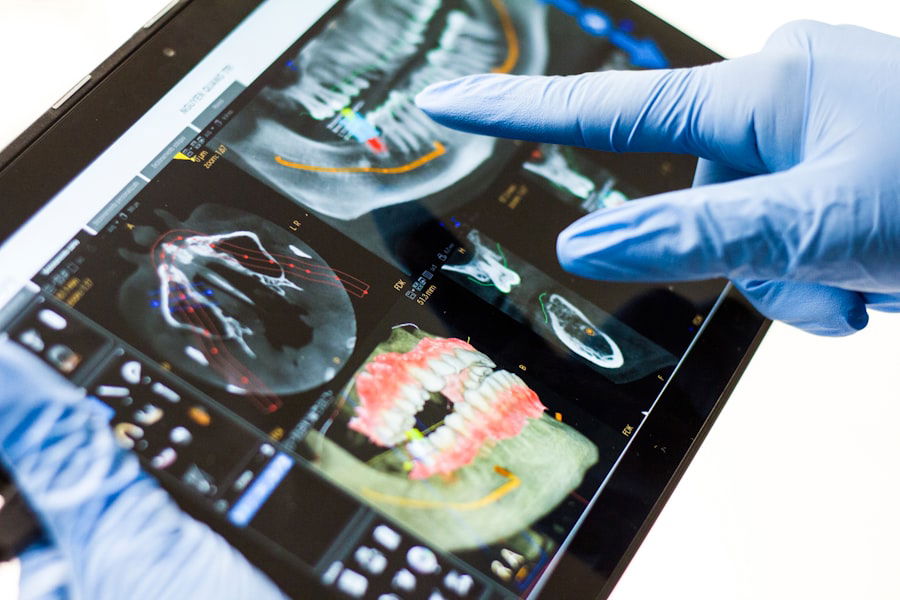
Orthodontic treatment offers numerous benefits that extend beyond mere cosmetic improvements. One of the most significant advantages is enhanced oral health. Properly aligned teeth are easier to clean, reducing the risk of plaque buildup, cavities, and gum disease.
Orthodontic treatment can promote better hygiene practices and contribute to long-term oral health. In addition to improving hygiene, orthodontics can also alleviate functional issues associated with malocclusion. Misaligned teeth can lead to uneven wear on enamel, increased stress on jaw joints, and even headaches or migraines due to muscle strain.
By addressing these concerns through orthodontic intervention, patients can experience improved chewing efficiency and reduced discomfort. Furthermore, a well-aligned bite can enhance speech clarity, allowing individuals to communicate more effectively without the hindrance of dental irregularities.
Types of Orthodontic Treatments Available
| Treatment Type | Description |
|---|---|
| Traditional Braces | Uses metal brackets and wires to straighten teeth |
| Invisalign | Clear aligners that are removable and nearly invisible |
| Lingual Braces | Braces placed on the back side of the teeth for a more discreet look |
| Ceramic Braces | Similar to traditional braces but with clear or tooth-colored brackets |
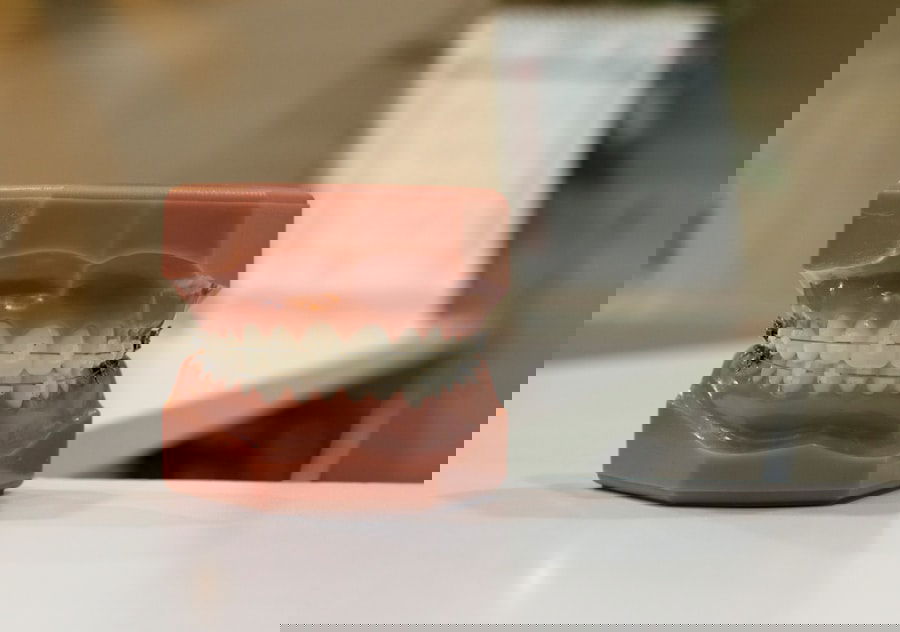
The field of orthodontics offers a variety of treatment options tailored to meet individual needs and preferences. Traditional metal braces are perhaps the most recognizable form of orthodontic treatment. They consist of brackets bonded to each tooth and connected by wires that are periodically adjusted to guide tooth movement.
While effective for a wide range of cases, some patients may find metal braces less appealing due to their visibility. For those seeking a more discreet option, ceramic braces provide an aesthetic alternative. These braces function similarly to metal braces but use tooth-colored or clear materials that blend in with the natural color of the teeth.
Lingual braces are another less visible option; they are placed on the back side of the teeth, making them virtually invisible from the front. However, lingual braces may require more time for adjustment due to their placement. In recent years, clear aligners have gained popularity as a modern orthodontic solution.
Brands like Invisalign utilize a series of custom-made clear plastic trays that gradually shift teeth into alignment. These aligners are removable, allowing for easier maintenance of oral hygiene and dietary freedom during treatment. Each type of orthodontic treatment has its own set of advantages and considerations, making it essential for patients to discuss their options with an orthodontist.
Choosing the Right Orthodontic Treatment for Your Smile
Selecting the appropriate orthodontic treatment involves several factors that should be carefully considered. The first step is a thorough consultation with an orthodontist who can assess individual needs based on dental health, alignment issues, and personal preferences. During this consultation, patients should discuss their goals for treatment—whether they prioritize aesthetics, comfort, or speed of results—as these factors can influence the choice of treatment.
Another important consideration is the severity of the orthodontic issue at hand. Some cases may require more complex interventions that are best addressed with traditional braces or other fixed appliances. Conversely, mild alignment issues might be effectively treated with clear aligners or ceramic braces.
Additionally, patients should consider their lifestyle; for example, individuals who play contact sports may prefer braces that are less likely to be dislodged compared to removable aligners. Financial considerations also play a crucial role in choosing an orthodontic treatment plan. Different options come with varying costs based on materials used and treatment duration.
Many orthodontists offer flexible payment plans or financing options to make treatment more accessible. Ultimately, making an informed decision requires open communication with the orthodontist about all these factors.
What to Expect During Orthodontic Treatment
Managing Discomfort During the Adjustment Period
Over-the-counter pain relievers can help alleviate any soreness during this adjustment period.
Regular Follow-up Appointments
Regular follow-up appointments are essential throughout the course of treatment. For traditional braces, these appointments usually occur every four to six weeks for adjustments—tightening wires or replacing elastic bands—to ensure that teeth continue moving as planned.
Monitoring Progress with Clear Aligners
For clear aligners, patients will receive new sets of aligners every one to two weeks and will need periodic check-ins with their orthodontist to monitor progress. These visits provide an opportunity for patients to ask questions and address any concerns they may have about their treatment journey.
Maintaining Your Smile After Orthodontic Treatment
Once orthodontic treatment is complete and braces are removed or aligners are finished, maintaining that beautiful smile requires ongoing care and commitment.
Orthodontists typically recommend wearing retainers full-time initially before transitioning to nighttime wear only.
Good oral hygiene practices remain essential even after treatment concludes. Patients should continue brushing twice daily and flossing regularly to maintain healthy gums and prevent cavities around newly aligned teeth. Regular dental check-ups are also important for monitoring oral health post-treatment and ensuring that any potential issues are addressed promptly.
Additionally, lifestyle choices can impact long-term results; avoiding habits such as nail-biting or chewing on hard objects can help preserve the integrity of newly aligned teeth. By adhering to these guidelines and maintaining regular communication with their orthodontist, patients can enjoy their transformed smiles for years to come.
Transforming Your Confidence with a Beautiful Smile
A beautiful smile has the power to transform not only one’s appearance but also one’s confidence and self-esteem. Many individuals who undergo orthodontic treatment report feeling more self-assured in social situations and professional environments once their smiles are aligned properly. The psychological benefits of having straight teeth extend beyond mere aesthetics; they can influence how individuals perceive themselves and how they are perceived by others.
Moreover, a confident smile can open doors in various aspects of life—from personal relationships to career opportunities. People often associate a straight smile with healthiness and vitality; thus, those who invest in their smiles may find themselves more willing to engage in social interactions or pursue new opportunities without hesitation. The journey through orthodontic treatment is not just about achieving physical changes; it’s about embracing a newfound sense of confidence that comes from feeling good about one’s appearance.
In conclusion, orthodontics plays a vital role in enhancing both oral health and self-esteem through improved dental alignment. With various treatment options available tailored to individual needs, patients can embark on a journey toward achieving their ideal smiles while reaping the numerous benefits associated with proper dental alignment.
If you are interested in learning more about the importance of orthodontic care, you should check out the article Improving Smiles: The Importance of Orthodontic Care.
Whether you are considering traditional braces or Invisalign, understanding the importance of orthodontic care is essential for achieving a healthy and beautiful smile.
FAQs
What is orthodontics?
Orthodontics is a branch of dentistry that focuses on the diagnosis, prevention, and treatment of dental and facial irregularities, such as misaligned teeth and jaws.
What are the common issues that orthodontics can address?
Orthodontics can address issues such as crooked teeth, overcrowded teeth, overbite, underbite, crossbite, and misaligned jaws.
What are the benefits of orthodontic treatment?
Orthodontic treatment can improve the appearance of the teeth and face, enhance oral function, and contribute to overall dental health.
What are the different types of orthodontic treatments?
Common orthodontic treatments include braces, clear aligners, retainers, and other appliances that help move teeth into their proper positions.
At what age should a person consider orthodontic treatment?
Orthodontic treatment can be beneficial for individuals of all ages, but it is often recommended to start at a young age, typically around 7 years old, when the jaw is still developing.
How long does orthodontic treatment typically last?
The duration of orthodontic treatment varies depending on the individual’s specific needs, but it can range from several months to a few years.
Are there any risks or side effects associated with orthodontic treatment?
Some common risks and side effects of orthodontic treatment include tooth decay, gum disease, and temporary discomfort or soreness.
How can I find a qualified orthodontist?
To find a qualified orthodontist, you can ask for recommendations from your dentist, friends, or family members, or use online resources to search for orthodontic specialists in your area.