
Oral hygiene is a fundamental aspect of overall health that often goes overlooked. The mouth serves as a gateway to the body, and poor oral hygiene can lead to a myriad of health issues beyond just cavities and gum disease. Research has shown that there is a significant connection between oral health and systemic conditions such as heart disease, diabetes, and respiratory infections.
Bacteria from periodontal disease can enter the bloodstream, potentially leading to inflammation and other serious health complications. Therefore, maintaining good oral hygiene is not merely about preserving a bright smile; it is an essential component of holistic health. Moreover, oral hygiene plays a crucial role in self-esteem and social interactions.
A healthy mouth contributes to fresh breath and an attractive smile, which can enhance confidence in personal and professional settings. Conversely, poor oral hygiene can lead to bad breath, tooth decay, and visible dental issues that may cause embarrassment or social anxiety. The psychological impact of oral health cannot be understated; individuals with dental problems often report lower quality of life and increased feelings of self-consciousness.
Thus, prioritizing oral hygiene is vital not only for physical health but also for emotional well-being.
Key Takeaways
- Good oral hygiene is important for overall health and well-being, as it can prevent dental issues and other health problems.
- A daily oral hygiene routine should include brushing teeth twice a day, flossing, and using mouthwash to maintain oral health.
- Choosing the right oral care products, such as toothpaste and toothbrush, can make a significant difference in maintaining oral hygiene.
- A balanced diet plays a crucial role in oral health, as certain foods and drinks can contribute to tooth decay and gum disease.
- Regular dental check-ups and cleanings are essential for preventing and addressing oral health issues, as well as maintaining a healthy smile.
Daily Oral Hygiene Routine
Brushing for Optimal Oral Health
Brushing effectively removes plaque—a sticky film of bacteria that forms on teeth—thereby reducing the risk of cavities and gum disease. It is important to use a soft-bristled toothbrush and to brush for at least two minutes, ensuring that all surfaces of the teeth are cleaned thoroughly.
The Importance of Flossing
While brushing cleans the surfaces of the teeth, flossing reaches the areas between teeth where a toothbrush cannot effectively clean. This helps to remove food particles and plaque buildup that can lead to cavities and gum inflammation. It is advisable to floss at least once a day, preferably before bedtime, to ensure that debris does not remain lodged between teeth overnight.
Adding an Extra Layer of Protection with Mouthwash
Additionally, using an antimicrobial mouthwash can provide an extra layer of protection by reducing bacteria in the mouth and freshening breath.
Choosing the Right Oral Care Products
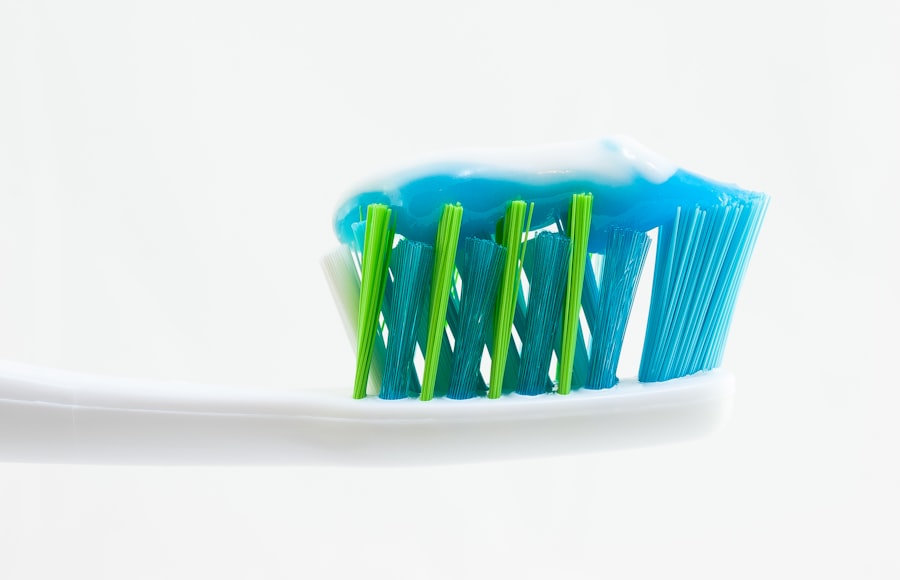
Selecting the right oral care products is crucial for effective oral hygiene. With a plethora of options available on the market, it can be overwhelming to determine which products are best suited for individual needs. When choosing toothpaste, look for one that contains fluoride, as this mineral helps to strengthen tooth enamel and prevent decay.
There are also specialized toothpastes available for specific concerns, such as sensitivity or whitening, which can be beneficial depending on personal dental health goals. Equally important is the choice of toothbrush. Dentists typically recommend using a soft-bristled toothbrush to avoid damaging gums and enamel.
Electric toothbrushes have gained popularity due to their ability to provide more consistent brushing pressure and often come with built-in timers to ensure adequate brushing time. When selecting floss, consider options such as waxed or unwaxed varieties, as well as flavored or unflavored choices based on personal preference. Additionally, some individuals may benefit from interdental brushes or water flossers, especially if they have braces or other dental appliances that make traditional flossing challenging.
The Role of Diet in Oral Health
| Topic | Metrics |
|---|---|
| Calcium intake | Recommended daily intake for adults is 1000-1200 mg |
| Vitamin C | Important for healthy gums and wound healing |
| Sugar consumption | Limit intake to reduce risk of tooth decay |
| Acidic foods | Can erode tooth enamel, leading to cavities |
Diet plays a pivotal role in maintaining oral health, as what we consume directly affects our teeth and gums.
When these bacteria metabolize sugar, they produce acids that erode tooth enamel over time.
Therefore, it is advisable to limit sugary snacks and beverages, particularly those that are sticky or acidic, as they can cling to teeth and exacerbate decay. Conversely, a diet rich in fruits, vegetables, whole grains, lean proteins, and dairy products can promote strong teeth and healthy gums.
Dairy products are excellent sources of calcium and phosphorus, essential minerals for maintaining strong enamel. Additionally, foods high in antioxidants—such as berries, nuts, and leafy greens—can help combat inflammation in the gums and support overall oral health.
Regular Dental Check-ups and Cleanings
Regular dental check-ups are an indispensable part of maintaining oral health. The American Dental Association recommends visiting a dentist at least twice a year for routine examinations and professional cleanings. During these visits, dentists can identify early signs of dental issues such as cavities or gum disease that may not be apparent to patients.
Early detection allows for timely intervention, which can prevent more serious complications down the line. Professional cleanings performed by dental hygienists are equally important as they remove tartar buildup that cannot be eliminated through regular brushing and flossing alone. Tartar can lead to gum disease if not addressed promptly.
Additionally, dental professionals can provide personalized advice on improving oral hygiene practices based on individual needs and lifestyle factors. These visits also offer an opportunity for patients to ask questions about their oral health and receive guidance on any concerns they may have.
Oral Health for Different Age Groups
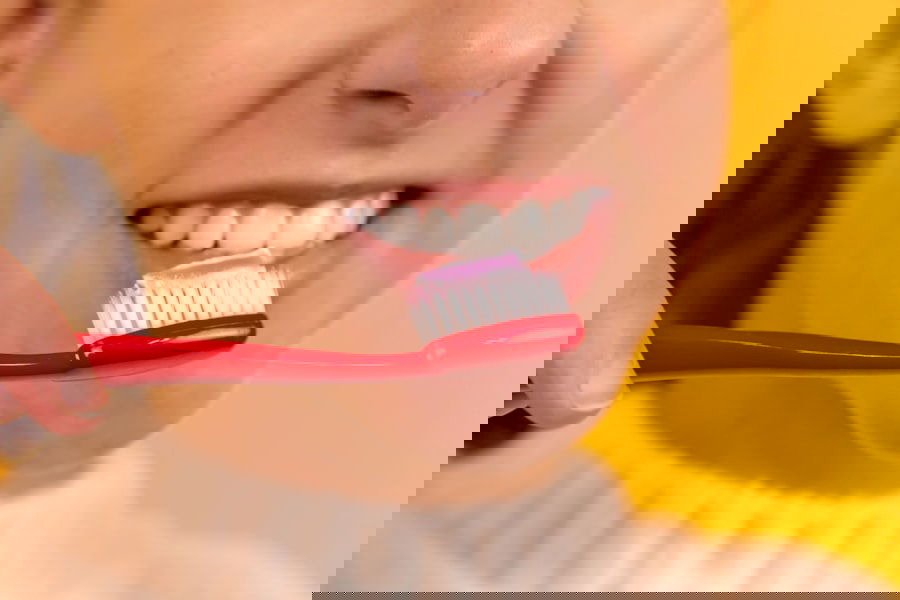
Oral health needs vary significantly across different age groups, necessitating tailored approaches to care. For infants and toddlers, establishing good oral hygiene habits early on is crucial. Parents should begin cleaning their child’s gums with a soft cloth even before teeth emerge and transition to using a small toothbrush with water once teeth appear.
Fluoride toothpaste can be introduced around age two, but it is essential to use only a pea-sized amount to minimize the risk of fluorosis. As children grow into adolescence, they may face unique challenges such as orthodontic treatment or dietary changes that can impact their oral health. Adolescents often consume more sugary snacks and beverages, making it vital for parents to encourage healthy eating habits and regular dental visits during this period.
For adults, maintaining oral health becomes increasingly important as they age due to the higher risk of gum disease and tooth loss. Older adults may also face challenges related to dry mouth or medication side effects that can affect their oral health; thus, regular check-ups become even more critical.
Common Oral Health Issues and How to Address Them
Several common oral health issues can arise throughout life, each requiring specific attention and care strategies. Tooth decay is one of the most prevalent problems faced by individuals of all ages. It occurs when acids produced by bacteria erode tooth enamel, leading to cavities.
To address this issue, it is essential to maintain good oral hygiene practices, limit sugar intake, and visit the dentist regularly for check-ups and cleanings. Gum disease is another significant concern that can lead to tooth loss if left untreated. It begins with gingivitis—characterized by swollen and bleeding gums—and can progress to periodontitis if not managed properly.
To combat gum disease, individuals should prioritize daily brushing and flossing while also considering the use of antimicrobial mouthwash. Regular dental visits are crucial for monitoring gum health; dentists can provide professional cleanings that remove plaque buildup contributing to gum disease.
Tips for Maintaining a Healthy Smile
Maintaining a healthy smile requires consistent effort and attention to detail in daily routines. One effective tip is to establish a consistent schedule for brushing and flossing; setting reminders can help ensure these tasks are not overlooked amidst busy lifestyles. Additionally, incorporating mouthwash into the routine can provide an extra layer of protection against bacteria while freshening breath.
Another important aspect is staying hydrated throughout the day. Drinking water not only helps wash away food particles but also promotes saliva production—an essential component in neutralizing acids in the mouth. Chewing sugar-free gum after meals can also stimulate saliva flow while providing a convenient way to freshen breath on-the-go.
Lastly, being mindful of dietary choices by opting for tooth-friendly snacks like nuts or cheese instead of sugary treats can significantly contribute to long-term oral health success.
Maintaining good oral hygiene is crucial, especially for those undergoing orthodontic treatment. It is essential to follow proper oral care routines to prevent any issues that may arise during treatment. For more tips on maintaining orthodontic treatment success, check out this article on maintaining your orthodontic treatment. This article provides valuable insights and advice on how to keep your teeth and braces clean and healthy throughout your orthodontic journey.
FAQs
What is oral hygiene?
Oral hygiene refers to the practice of keeping the mouth, teeth, and gums clean and healthy to prevent dental problems such as cavities, gum disease, and bad breath.
Why is oral hygiene important?
Maintaining good oral hygiene is important for overall health as it can prevent dental problems, reduce the risk of systemic diseases such as heart disease and diabetes, and contribute to a confident smile and fresh breath.
What are the key components of oral hygiene?
The key components of oral hygiene include regular brushing and flossing, using mouthwash, visiting the dentist for regular check-ups and cleanings, and maintaining a healthy diet.
How often should I brush and floss my teeth?
It is recommended to brush your teeth at least twice a day, in the morning and before bed, and to floss at least once a day to remove plaque and food particles from between the teeth.
What are some common oral hygiene mistakes to avoid?
Common oral hygiene mistakes to avoid include using a toothbrush with hard bristles, brushing too aggressively, neglecting to floss, and not visiting the dentist regularly for check-ups and cleanings.
What are some signs of poor oral hygiene?
Signs of poor oral hygiene include bad breath, tooth decay, gum disease, tooth sensitivity, and a buildup of plaque and tartar on the teeth.