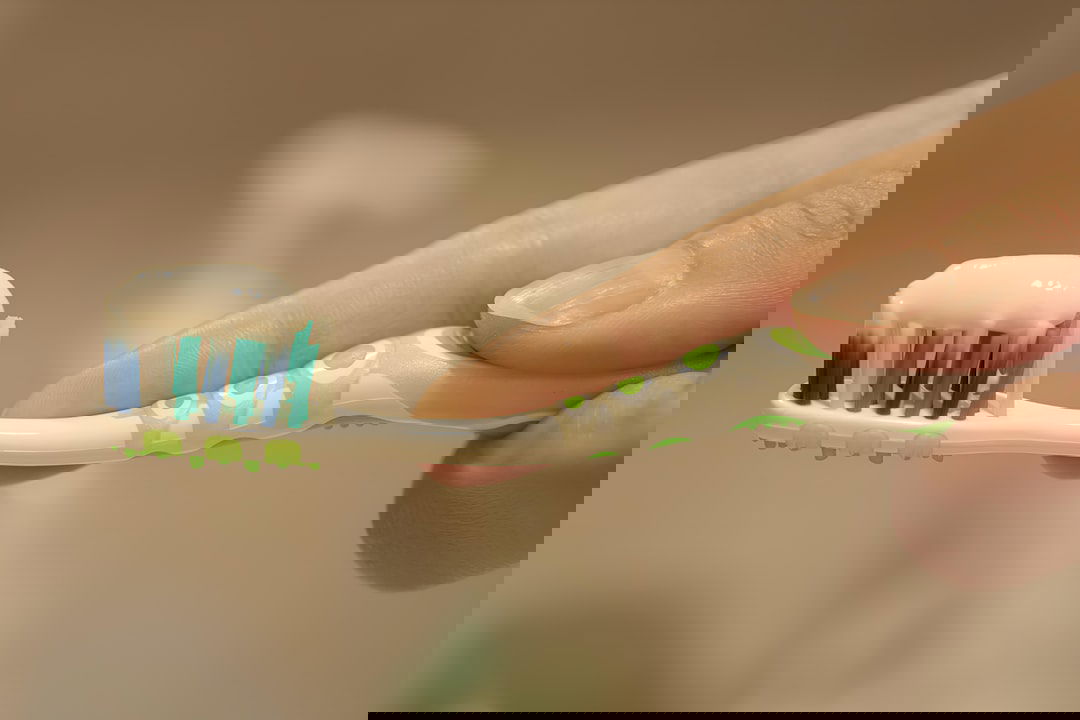
Oral health is a critical component of overall well-being, influencing not only the mouth but also the entire body. The mouth serves as a gateway to the body, and poor oral hygiene can lead to a myriad of health issues beyond cavities and gum disease. Research has shown that conditions such as heart disease, diabetes, and respiratory infections can be exacerbated by poor oral health.
For instance, bacteria from periodontal disease can enter the bloodstream, potentially leading to inflammation and contributing to cardiovascular problems. This connection underscores the importance of maintaining good oral hygiene practices to prevent systemic health issues. Moreover, oral health significantly impacts quality of life.
Issues such as tooth decay, gum disease, and bad breath can lead to discomfort, pain, and embarrassment, affecting an individual’s ability to eat, speak, and socialize. The psychological effects of poor oral health can be profound, leading to decreased self-esteem and social withdrawal. In children, oral health is particularly crucial as it can affect their growth, development, and academic performance.
Thus, prioritizing oral health is essential not only for physical health but also for emotional and social well-being.
Key Takeaways
- Good oral health is important for overall well-being and can prevent various health issues.
- A daily oral hygiene routine, including brushing and flossing, is essential for maintaining oral health.
- Choosing the right dental products, such as toothpaste and mouthwash, can make a significant difference in oral hygiene.
- Regular dental check-ups are crucial for early detection and prevention of dental problems.
- A balanced diet and avoiding sugary and acidic foods can contribute to better oral health.
Daily Oral Hygiene Routine
Brushing for Optimal Oral Health
Brushing helps remove plaque—a sticky film of bacteria that forms on teeth—while fluoride strengthens tooth enamel and helps prevent decay. It is recommended to brush for at least two minutes each time, ensuring that all surfaces of the teeth are cleaned thoroughly. Using a soft-bristled toothbrush can help prevent damage to the gums while effectively removing plaque.
The Importance of Flossing
Flossing is equally important as it reaches areas that a toothbrush cannot, particularly between the teeth and along the gum line. Neglecting to floss can lead to the buildup of plaque in these hard-to-reach areas, increasing the risk of cavities and gum disease.
Additional Protection with Mouthwash
In addition to brushing and flossing, using an antimicrobial mouthwash can provide an extra layer of protection by reducing bacteria in the mouth and freshening breath. Incorporating these practices into a daily routine not only promotes oral health but also instills lifelong habits that can prevent dental issues in the future.
Choosing the Right Dental Products
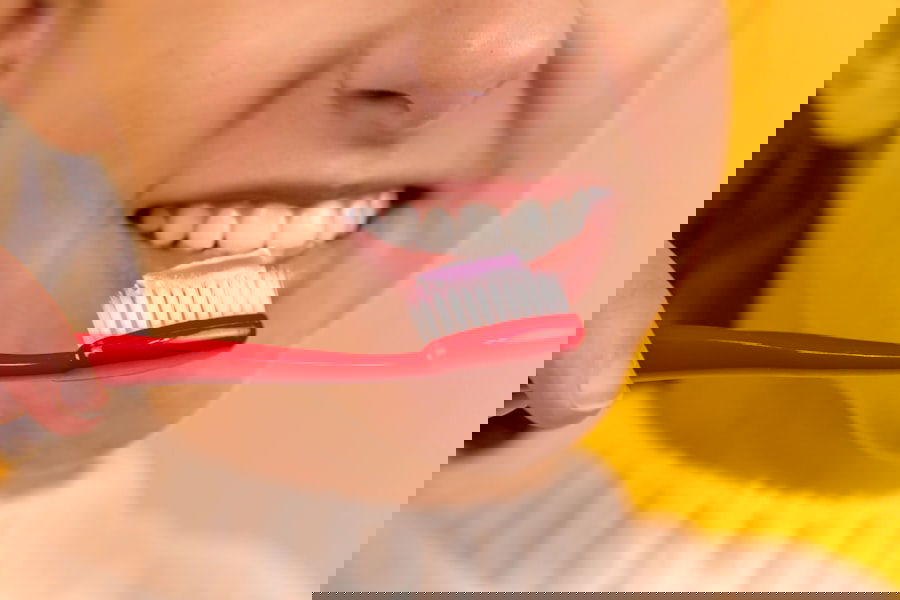
Selecting the right dental products is crucial for effective oral care. With a plethora of options available on the market, it can be overwhelming to determine which products are best suited for individual needs. When choosing toothpaste, look for one that contains fluoride, as it has been proven to reduce cavities and strengthen enamel.
Additionally, individuals with specific concerns—such as sensitivity or gum issues—should consider specialized formulations designed to address these problems. Equally important is selecting an appropriate toothbrush. Dentists often recommend soft-bristled brushes for most individuals, as they are gentle on gums while still effective at cleaning teeth.
Electric toothbrushes can also be beneficial; studies have shown that they may remove more plaque than manual brushes when used correctly. Furthermore, it’s essential to replace toothbrushes or brush heads every three to four months or sooner if the bristles become frayed. By carefully choosing dental products tailored to personal needs and preferences, individuals can enhance their oral hygiene efforts significantly.
Importance of Regular Dental Check-ups
| Metrics | Importance |
|---|---|
| Prevention of Dental Issues | Regular check-ups help prevent dental problems such as cavities, gum disease, and oral cancer. |
| Early Detection | Regular visits allow for early detection of dental issues, leading to timely treatment and prevention of complications. |
| Oral Health Maintenance | Regular cleanings and check-ups help maintain good oral hygiene and overall health. |
| Professional Advice | Dentists provide valuable advice on oral care, diet, and lifestyle habits to maintain healthy teeth and gums. |
Regular dental check-ups are an indispensable aspect of maintaining oral health. These visits allow dental professionals to conduct thorough examinations that can identify potential issues before they escalate into more serious problems. During a check-up, dentists typically perform cleanings to remove tartar buildup that regular brushing and flossing may miss.
They also check for signs of cavities, gum disease, and other oral health concerns that may not be immediately apparent. In addition to preventive care, dental check-ups provide an opportunity for education on proper oral hygiene practices and lifestyle choices that can impact oral health. Dentists can offer personalized advice based on individual risk factors and needs.
For example, they may recommend specific techniques for brushing or suggest dietary changes that could benefit oral health. Regular visits not only help maintain a healthy mouth but also foster a relationship between patients and their dental care providers, encouraging open communication about any concerns or questions regarding oral health.
The Role of Diet in Oral Health
Diet plays a pivotal role in maintaining oral health, influencing both the condition of teeth and gums. Foods high in sugar are particularly detrimental as they contribute to the formation of cavities.
This process highlights the importance of moderating sugar intake and opting for healthier alternatives whenever possible. Conversely, certain foods can promote oral health. Crunchy fruits and vegetables like apples and carrots can help clean teeth naturally while providing essential nutrients.
Dairy products rich in calcium and phosphorus are beneficial for strengthening enamel and supporting overall dental health. Additionally, foods high in fiber stimulate saliva production, which acts as a natural defense against cavities by neutralizing acids in the mouth. By making informed dietary choices, individuals can significantly enhance their oral health while enjoying a balanced diet.
Habits to Avoid for Better Oral Health
Certain habits can undermine even the most diligent oral hygiene efforts, making it essential to identify and avoid them. One common detrimental habit is smoking or using tobacco products, which not only stains teeth but also increases the risk of gum disease and oral cancer. The harmful chemicals in tobacco can impair blood flow to the gums, hindering healing processes and leading to chronic issues.
Another habit to avoid is excessive consumption of acidic beverages such as soda and fruit juices. These drinks can erode tooth enamel over time due to their high acidity levels. If consumed, it’s advisable to use a straw to minimize contact with teeth or rinse with water afterward to help neutralize acids.
Additionally, grinding teeth—often a result of stress or anxiety—can lead to significant wear on enamel and jaw pain. Recognizing these harmful habits and taking proactive steps to eliminate them is crucial for maintaining optimal oral health.
Benefits of Professional Teeth Cleaning
Professional teeth cleaning offers numerous benefits that go beyond what can be achieved through daily brushing and flossing alone. During a professional cleaning session, dental hygienists use specialized tools to remove tartar buildup that regular home care cannot eliminate effectively. This process not only helps prevent cavities but also reduces the risk of gum disease by removing plaque from below the gum line.
Moreover, professional cleanings provide an opportunity for early detection of potential issues such as cavities or gum disease. Dental professionals are trained to identify early signs that may go unnoticed by patients during routine care at home. Additionally, cleanings often include polishing teeth with fluoride treatments that strengthen enamel and enhance overall appearance.
The refreshing feeling after a professional cleaning can also motivate individuals to maintain their oral hygiene routine at home more diligently.
Tips for a Brighter Smile
Achieving a brighter smile involves more than just regular brushing; it requires a combination of good habits and smart choices. One effective method for enhancing tooth brightness is through regular professional whitening treatments offered by dentists. These treatments utilize stronger bleaching agents than over-the-counter products, yielding more noticeable results in a shorter time frame.
In addition to professional treatments, individuals can incorporate whitening toothpaste into their daily routine. These toothpastes contain mild abrasives that help remove surface stains while polishing teeth. However, it’s essential to use them judiciously; excessive use can lead to enamel wear over time.
Another simple yet effective tip is to maintain good hydration by drinking plenty of water throughout the day. Water helps wash away food particles and bacteria while promoting saliva production—both crucial for maintaining a bright smile. Furthermore, avoiding staining foods and beverages such as coffee, tea, red wine, and dark berries can help preserve tooth brightness.
If consumption is unavoidable, rinsing with water afterward or using a straw can minimize contact with teeth. By combining these strategies with consistent oral hygiene practices, individuals can achieve and maintain a radiant smile that reflects their commitment to oral health.
For more information on the importance of orthodontic care in improving oral health, check out this article by Ronald on the White Pearl Dental Care website. Ronald also answers frequently asked questions about Invisalign treatment in another informative article.
FAQs
What is oral health?
Oral health refers to the condition of the teeth, gums, and other parts of the mouth. It encompasses the prevention of dental problems, as well as the maintenance of good oral hygiene.
Why is oral health important?
Good oral health is important for overall well-being. It can prevent tooth decay, gum disease, bad breath, and other oral problems. Additionally, oral health is linked to systemic health, with poor oral health being associated with conditions such as heart disease and diabetes.
How can I maintain good oral health?
Maintaining good oral health involves regular brushing and flossing, as well as visiting the dentist for check-ups and cleanings. A balanced diet and avoiding tobacco products also contribute to good oral health.
What are common oral health problems?
Common oral health problems include tooth decay, gum disease, bad breath, and oral cancer. These issues can be prevented or managed through good oral hygiene and regular dental care.
At what age should oral health care begin?
Oral health care should begin as soon as the first tooth appears, typically around six months of age. Parents should clean their baby’s gums with a soft cloth and begin brushing with a small, soft-bristled toothbrush as soon as the first tooth erupts.
How often should I visit the dentist for check-ups?
It is recommended to visit the dentist for a check-up and cleaning at least twice a year. However, some individuals may need more frequent visits based on their oral health needs.