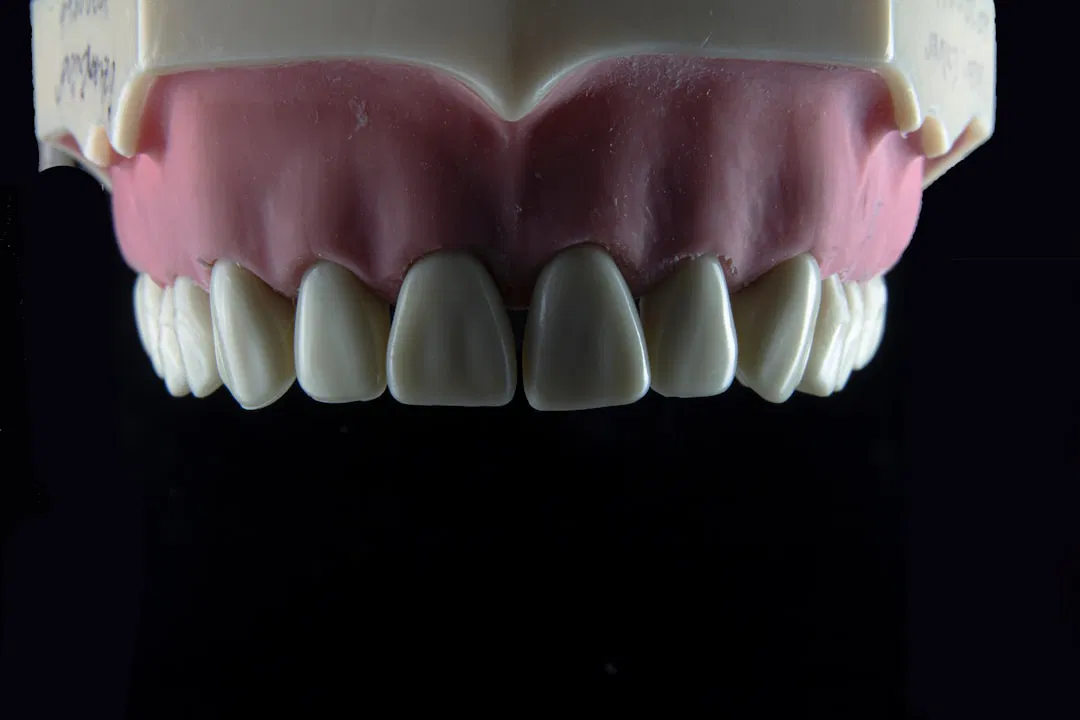
Denture alternatives have gained prominence as more individuals seek effective solutions for tooth loss. Traditional dentures, while functional, can present challenges such as discomfort, slippage, and the need for frequent adjustments. As dental technology advances, various alternatives have emerged that offer improved aesthetics, comfort, and functionality. Understanding these options is essential for individuals considering their choices in tooth replacement.
The decision to pursue an alternative to dentures often stems from personal preferences, lifestyle considerations, and specific dental needs. Each option presents unique benefits and potential drawbacks, making it crucial for patients to consult with dental professionals to determine the most suitable solution. This article explores several alternatives to traditional dentures, providing insights into their features and advantages.
If you’re exploring options for denture alternatives, it’s essential to understand the broader context of dental health and maintenance. Regular dental exams play a crucial role in ensuring your oral health is in optimal condition, which can influence your choice of dental solutions. For more insights on why these check-ups are vital, you can read this informative article on the importance of regular dental exams at White Pearl Dental Care.
Key Takeaways
- Dental implants and All-on-4 provide durable, permanent alternatives to traditional dentures.
- Fixed bridges offer a stable solution for missing teeth without the need for removable appliances.
- Removable partial and flexible dentures are cost-effective, comfortable options with natural aesthetics.
- Mini implants and snap-on dentures enhance denture stability with less invasive procedures.
- Overdentures combine implants and dentures to improve function while preserving natural teeth when possible.
Dental Implants as an Alternative to Dentures
Dental implants are a widely recognized alternative to dentures, offering a permanent solution for missing teeth. An implant consists of a titanium post surgically placed into the jawbone, serving as a root for a replacement tooth. This method not only restores the appearance of natural teeth but also helps maintain jawbone density, which can be compromised after tooth loss.
The integration of the implant with the bone creates a stable foundation for crowns or bridges, enhancing both function and aesthetics.
One of the significant advantages of dental implants is their longevity. With proper care, they can last a lifetime, making them a cost-effective solution in the long run. Unlike dentures, which may require replacement or adjustment over time, implants provide a more permanent solution that mimics the function of natural teeth. Additionally, they eliminate the discomfort associated with removable dentures, allowing individuals to eat and speak without concern for slippage.
All-on-4 Implants: A New Approach to Full Arch Restoration
All-on-4 implants represent an innovative approach to full arch restoration, particularly for individuals who have lost most or all of their teeth. This technique involves placing four strategically positioned implants in the jawbone to support a full arch of prosthetic teeth. The design minimizes the need for bone grafting, making it a viable option for patients with limited bone density.
The All-on-4 procedure offers several benefits, including reduced treatment time and immediate loading of the prosthesis. Patients can often leave the dental office with a new set of teeth on the same day as their surgery. This immediate restoration can significantly enhance quality of life by restoring function and aesthetics quickly. Furthermore, the All-on-4 system provides stability and support comparable to that of natural teeth, allowing individuals to enjoy a varied diet without restrictions.
Fixed Bridges: A Permanent Solution for Missing Teeth
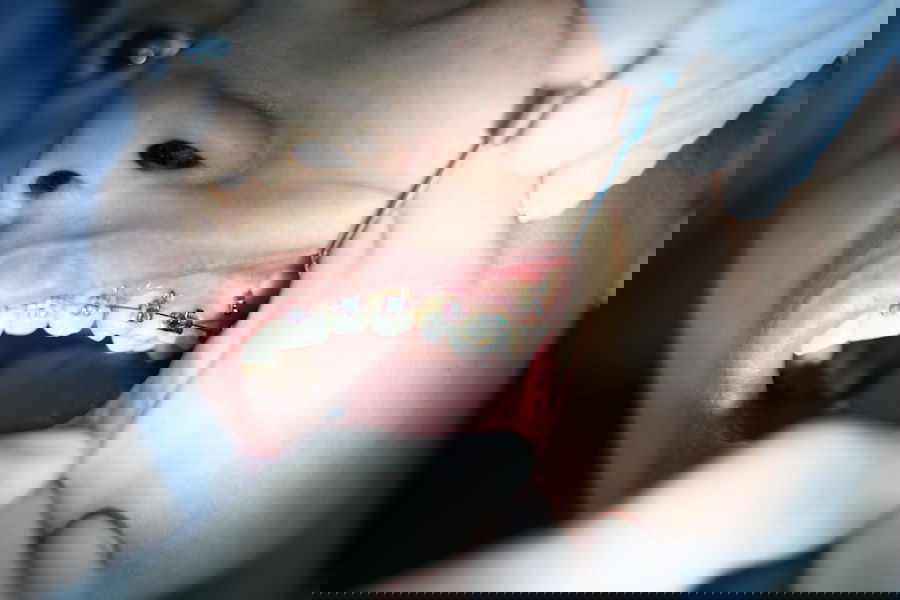
Fixed bridges are another alternative for individuals missing one or more teeth. This solution involves anchoring a prosthetic tooth or teeth to adjacent natural teeth or implants. Fixed bridges provide a stable and permanent option that restores both function and appearance. Unlike removable dentures, fixed bridges are cemented in place, eliminating concerns about slippage or removal.
One of the primary advantages of fixed bridges is their ability to maintain the alignment of surrounding teeth. When a tooth is lost, adjacent teeth may shift into the gap, leading to misalignment and further dental issues. A fixed bridge helps prevent this movement while also restoring chewing function and improving aesthetics. However, it is essential for patients to maintain good oral hygiene practices to ensure the longevity of both the bridge and the supporting teeth.
If you’re exploring options for denture alternatives, you might find it helpful to understand the underlying factors that can affect your dental health. A related article discusses the causes and prevention of dental plaque, which is crucial for maintaining healthy teeth and gums. You can read more about it in this informative piece on dental plaque. This knowledge can aid in making informed decisions about your oral care and the best alternatives to dentures.
Removable Partial Dentures: A Flexible and Affordable Option
| Alternative | Description | Average Lifespan | Cost Range | Pros | Cons |
|---|---|---|---|---|---|
| Dental Implants | Titanium posts surgically placed into the jawbone to support crowns or bridges. | 15-25 years or more | High | Permanent, natural look and feel, preserves jawbone | Requires surgery, longer healing time, higher upfront cost |
| Fixed Bridges | Artificial teeth anchored to adjacent natural teeth or implants. | 7-15 years | Moderate | Stable, no removal needed, quicker than implants | Requires alteration of adjacent teeth, potential for decay under bridge |
| Removable Partial Dentures | Removable prosthesis replacing some missing teeth, attached to remaining teeth. | 5-10 years | Low to Moderate | Less invasive, lower cost, easy to adjust | Less stable, may affect speech and comfort |
| Resin-Bonded Bridges (Maryland Bridges) | Bridge with wings bonded to adjacent teeth, minimal tooth preparation. | 5-10 years | Moderate | Conservative, less invasive, aesthetic | Less durable, can debond, limited to front teeth |
| Overdentures | Removable dentures that fit over remaining natural teeth or implants. | 5-10 years | Moderate | Improved stability, preserves bone, better chewing | Requires maintenance, may need adjustments |
Removable partial dentures (RPDs) offer a flexible and cost-effective solution for individuals missing several teeth in different areas of the mouth. These dentures are designed to fill gaps while allowing remaining natural teeth to remain intact. RPDs are typically made from acrylic or metal frameworks that support artificial teeth, making them lightweight and easy to wear.
One of the key benefits of removable partial dentures is their affordability compared to other options like implants or fixed bridges. They can be customized to match the color and shape of existing teeth, providing a natural appearance. Additionally, RPDs are removable, allowing for easy cleaning and maintenance. However, patients should be aware that they may require adjustments over time as oral structures change.
If you’re exploring options for maintaining your oral health, you might find it helpful to read about preventative dental products that can complement denture alternatives. These products can play a significant role in preserving your natural teeth and enhancing overall dental hygiene. For more information, check out this insightful article on preventative dental products that can help you protect your smile effectively.
Flexible Dentures: A Comfortable and Natural-Looking Alternative
Flexible dentures are an alternative that prioritizes comfort and aesthetics. Made from a softer material than traditional acrylic dentures, flexible dentures adapt more easily to the contours of the mouth. This flexibility allows for a more comfortable fit and reduces irritation on the gums.
In terms of appearance, flexible dentures can closely resemble natural gum tissue due to their translucent base material. This quality makes them an appealing option for individuals concerned about aesthetics.
However, while they offer comfort and a natural look, flexible dentures may not be as durable as other options like fixed bridges or implants.
Patients should consider their lifestyle and oral health needs when choosing this type of denture.
Mini Implants: A Less Invasive Option for Denture Stabilization
Mini implants provide a less invasive alternative for stabilizing dentures, particularly for individuals who may not have sufficient bone density for traditional implants. These smaller titanium posts can be placed with minimal surgical intervention and are designed to anchor removable dentures securely in place.
The primary advantage of mini implants is their ability to enhance denture stability without extensive surgical procedures. Patients often experience less discomfort during placement and recovery compared to traditional implants. Additionally, mini implants can help prevent bone loss by stimulating the jawbone similarly to regular implants. While they may not offer the same level of support as full-sized implants, mini implants can significantly improve the functionality of removable dentures.
Snap-On Dentures: A Secure and Convenient Solution
Snap-on dentures represent a practical solution for individuals seeking both security and convenience in their dental restoration options. These dentures are designed to snap onto existing dental implants or mini implants, providing enhanced stability while remaining removable for easy cleaning.
The snap-on mechanism allows patients to enjoy the benefits of implant-supported dentures without committing to a full set of fixed implants. This option is particularly appealing for those who desire a secure fit but prefer the flexibility of removable dentures. Snap-on dentures can improve confidence in social situations by reducing concerns about slippage while eating or speaking.
Overdentures: Combining Implants and Dentures for Enhanced Stability
Overdentures combine the benefits of traditional dentures with the stability provided by dental implants. This approach involves placing implants in the jawbone that serve as anchors for removable dentures. Overdentures offer improved retention compared to conventional dentures alone, addressing common issues such as slippage and discomfort.
One significant advantage of overdentures is their ability to preserve jawbone health by stimulating bone growth through implant placement. This preservation is crucial in preventing further deterioration of facial structure that can occur with tooth loss. Overdentures also allow for easier cleaning compared to fixed options while providing enhanced stability during daily activities.
Natural Tooth Preservation: Options for Retaining Existing Teeth
For individuals with some remaining natural teeth, preserving these teeth can be an essential consideration when exploring denture alternatives. Various treatments aim to retain existing teeth while addressing issues such as decay or damage. Options include crowns, root canals, and periodontal treatments that can extend the life of natural teeth.
Preserving natural teeth not only maintains aesthetics but also supports overall oral health by preventing bone loss associated with tooth extraction. Dental professionals often recommend treatment plans that prioritize tooth preservation whenever possible, as this approach can lead to better long-term outcomes compared to complete tooth replacement.
Conclusion and Choosing the Right Alternative for You
Choosing the right alternative to traditional dentures requires careful consideration of individual needs, preferences, and dental health status. Each option presents distinct advantages and potential drawbacks that should be evaluated in consultation with a dental professional. Factors such as budget, lifestyle, and long-term goals play a crucial role in determining the most suitable solution.
Ultimately, advancements in dental technology have expanded the range of alternatives available for those facing tooth loss. From dental implants and fixed bridges to removable options like partial dentures and overdentures, patients have access to solutions that can restore function and improve quality of life. By understanding these alternatives and working closely with dental professionals, individuals can make informed decisions that align with their unique circumstances and preferences.
FAQs
What are denture alternatives?
Denture alternatives are dental treatments and devices designed to replace missing teeth without using traditional removable dentures. These options often provide improved comfort, function, and aesthetics.
What types of denture alternatives are available?
Common denture alternatives include dental implants, implant-supported bridges, fixed dental bridges, and partial dentures. Each option varies in terms of procedure, cost, and suitability.
How do dental implants work as an alternative to dentures?
Dental implants are titanium posts surgically placed into the jawbone to act as artificial tooth roots. They provide a stable foundation for crowns, bridges, or implant-supported dentures, offering a permanent and natural-feeling tooth replacement.
Are denture alternatives more comfortable than traditional dentures?
Many denture alternatives, especially dental implants and fixed bridges, are considered more comfortable because they are securely anchored and do not move around like removable dentures.
Can denture alternatives improve chewing and speaking?
Yes, denture alternatives such as implants and fixed bridges typically restore chewing efficiency and speech better than traditional dentures, which can sometimes slip or cause discomfort.
Who is a good candidate for denture alternatives?
Good candidates generally have healthy gums and sufficient jawbone density. A dental professional will evaluate oral health, bone structure, and overall health to determine the best treatment option.
Are denture alternatives more expensive than traditional dentures?
Denture alternatives, particularly dental implants, often have a higher upfront cost compared to traditional dentures. However, they may offer better long-term value due to durability and improved function.
How long do denture alternatives last?
With proper care, dental implants and fixed bridges can last many years, often decades. Partial dentures may require replacement or adjustment over time.
Is the procedure for denture alternatives painful?
Procedures like dental implant placement involve minor surgery and may cause some discomfort, which can be managed with anesthesia and pain medication. Recovery times vary depending on the treatment.
Can denture alternatives prevent bone loss?
Yes, dental implants help stimulate the jawbone, reducing bone loss that typically occurs after tooth loss. Traditional dentures do not provide this benefit.