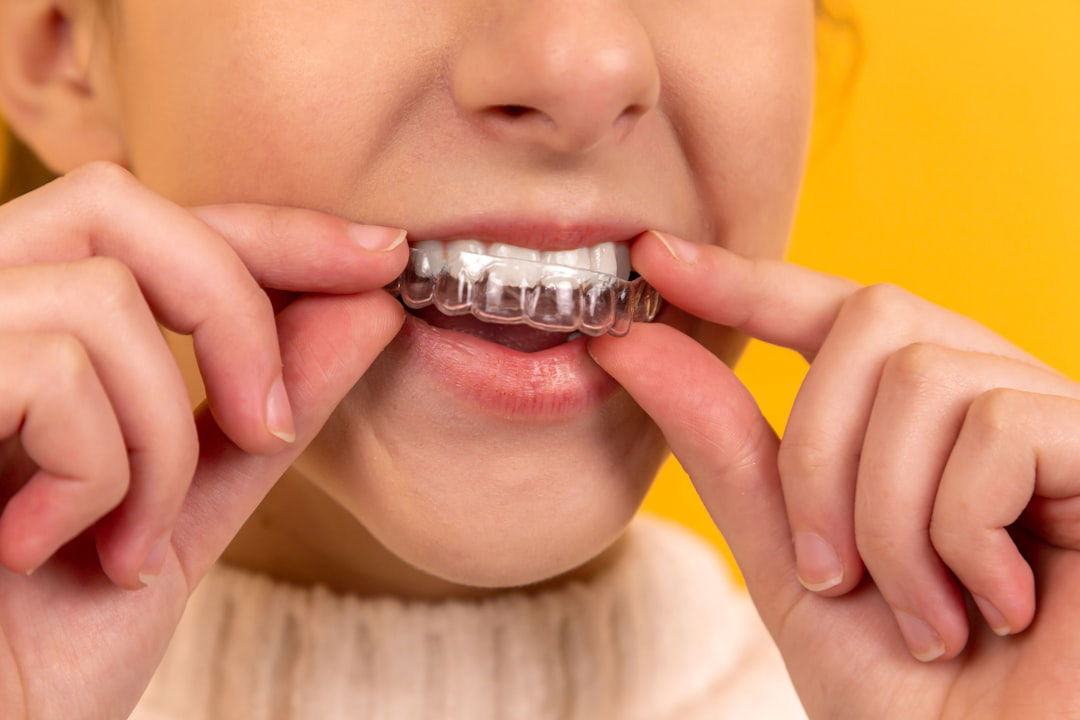
Maintaining optimal oral hygiene is paramount for anyone undergoing orthodontic treatment. Braces and other orthodontic appliances can create additional challenges in keeping teeth and gums clean. The brackets, wires, and bands can trap food particles and plaque, making it essential for patients to adopt a rigorous oral hygiene routine.
Brushing after every meal is highly recommended, as it helps to remove food debris and plaque that can accumulate around the braces. Using a soft-bristled toothbrush and fluoride toothpaste can effectively clean the surfaces of the teeth and the areas around the brackets. Additionally, patients should consider using an interdental brush or a floss threader to reach the tight spaces between the teeth and the braces, ensuring that no plaque is left behind.
Flossing is another critical component of oral hygiene during orthodontic treatment. Traditional flossing can be challenging with braces, but there are specialized orthodontic flossers available that make the process easier. These tools are designed to navigate around brackets and wires, allowing for thorough cleaning between teeth.
Mouthwash containing fluoride can also be beneficial, as it helps to strengthen tooth enamel and reduce the risk of cavities. Regular visits to the dentist for professional cleanings are equally important, as dental professionals can provide deep cleaning and check for any potential issues that may arise during treatment. By prioritizing oral hygiene, patients can significantly reduce the risk of cavities and gum disease, ensuring a healthier mouth throughout their orthodontic journey.
Key Takeaways
- Brush and floss regularly to maintain good oral hygiene and prevent plaque buildup
- Eat a balanced diet and limit sugary and acidic foods to protect teeth from decay
- Attend regular orthodontic visits to monitor progress and make necessary adjustments
- Follow the treatment plan provided by your orthodontist for best results
- Use orthodontic appliances as directed and keep them clean to avoid complications
- Manage discomfort with over-the-counter pain relief and orthodontist-recommended techniques
- Avoid damaging habits like nail biting and chewing on hard objects to prevent appliance breakage
- Be prepared for emergency care by having orthodontist’s contact information and necessary supplies
Diet and Nutrition
Diet plays a crucial role in the success of orthodontic treatment. Certain foods can pose challenges for individuals with braces, potentially leading to damage to the appliances or hindering progress. Hard, crunchy foods such as nuts, hard candies, and raw vegetables can break brackets or bend wires, while sticky foods like caramel or taffy can cling to braces and make cleaning difficult.
Therefore, it is advisable for patients to adopt a diet that is both orthodontically friendly and nutritionally balanced. Soft foods such as yogurt, mashed potatoes, and smoothies are excellent choices that provide essential nutrients without risking damage to the braces. In addition to avoiding certain foods, patients should focus on incorporating a variety of nutrient-rich options into their diet.
Foods high in calcium, such as dairy products, leafy greens, and fortified plant-based alternatives, are vital for maintaining strong teeth and bones during orthodontic treatment. Vitamin D is also essential, as it aids in calcium absorption; sources include fatty fish, egg yolks, and fortified foods. Furthermore, consuming plenty of fruits and vegetables not only provides necessary vitamins and minerals but also promotes overall oral health by stimulating saliva production, which helps neutralize acids in the mouth.
By being mindful of dietary choices, patients can support their orthodontic treatment while ensuring they receive adequate nutrition.
Regular Orthodontic Visits
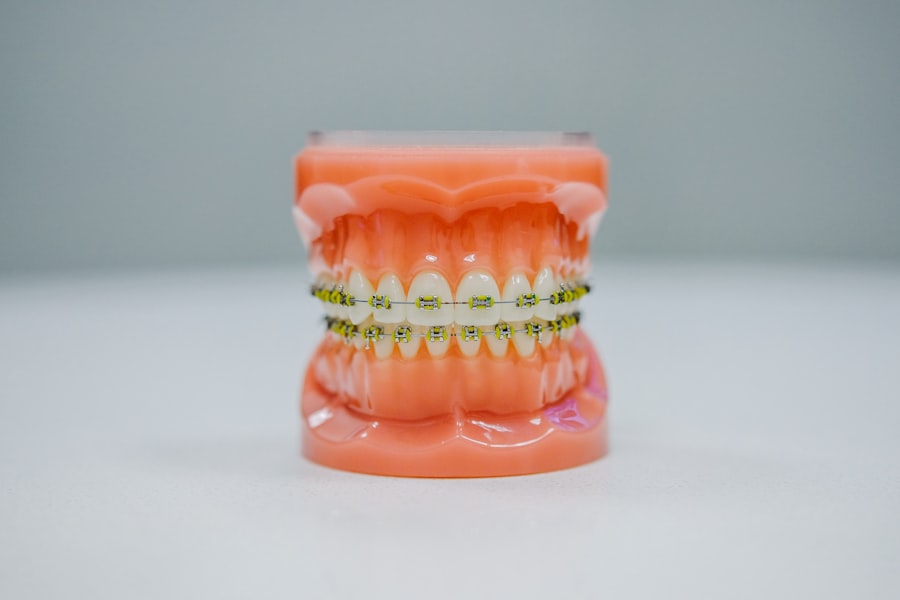
Regular visits to the orthodontist are essential for monitoring progress and making necessary adjustments throughout treatment. These appointments typically occur every four to six weeks, depending on the individual’s treatment plan. During these visits, the orthodontist will assess how well the teeth are moving and whether any modifications to the braces or appliances are needed.
This ongoing evaluation is crucial for ensuring that the treatment stays on track and that any potential issues are addressed promptly. In addition to adjustments, these visits provide an opportunity for patients to ask questions or express concerns about their treatment. Orthodontists can offer guidance on managing discomfort, maintaining oral hygiene, and adhering to dietary restrictions.
They may also provide insights into what patients can expect as they progress through their treatment journey. For instance, if a patient is nearing the end of their treatment timeline, the orthodontist may discuss options for retainers to maintain the new position of the teeth after braces are removed. Regular orthodontic visits not only facilitate effective treatment but also foster a supportive relationship between the patient and the orthodontist.
Compliance with Treatment Plan
| Metrics | Values |
|---|---|
| Number of patients | 250 |
| Compliance rate | 85% |
| Non-compliance rate | 15% |
| Reasons for non-compliance | Forgetfulness, side effects, lack of understanding |
Adhering to the prescribed treatment plan is critical for achieving optimal results in orthodontic care. Each patient’s plan is tailored to their specific needs and goals, outlining the duration of treatment, types of appliances used, and necessary lifestyle adjustments. Compliance involves not only attending scheduled appointments but also following guidelines regarding oral hygiene practices, dietary restrictions, and wearing any additional appliances such as rubber bands or retainers as directed by the orthodontist.
Failure to comply with the treatment plan can lead to extended treatment times or suboptimal results. For example, if a patient neglects to wear their rubber bands consistently, it may hinder the movement of teeth into their desired positions. This could result in additional visits or even a need for further adjustments down the line.
Therefore, understanding the importance of compliance is essential for patients who wish to achieve their desired outcomes efficiently. Open communication with the orthodontist about any challenges faced in adhering to the plan can help identify solutions and keep treatment on track.
Use of Orthodontic Appliances
Orthodontic appliances play a significant role in correcting misaligned teeth and jaws. While traditional metal braces are among the most common appliances used in orthodontics, there are various other options available depending on individual needs. Clear aligners, such as Invisalign, have gained popularity due to their aesthetic appeal and removable nature.
These aligners gradually shift teeth into proper alignment without the use of brackets or wires, making them a preferred choice for many adults and teens. In addition to braces and clear aligners, other appliances may be utilized to address specific issues. For instance, palatal expanders are often used in younger patients to widen the upper jaw when it is too narrow.
This expansion creates more space for teeth to align properly and can prevent future complications related to overcrowding or bite issues. Similarly, headgear may be prescribed in certain cases to correct overbites or underbites by guiding jaw growth. Understanding how these appliances work and their purpose within an overall treatment plan can empower patients to take an active role in their orthodontic care.
Managing Discomfort
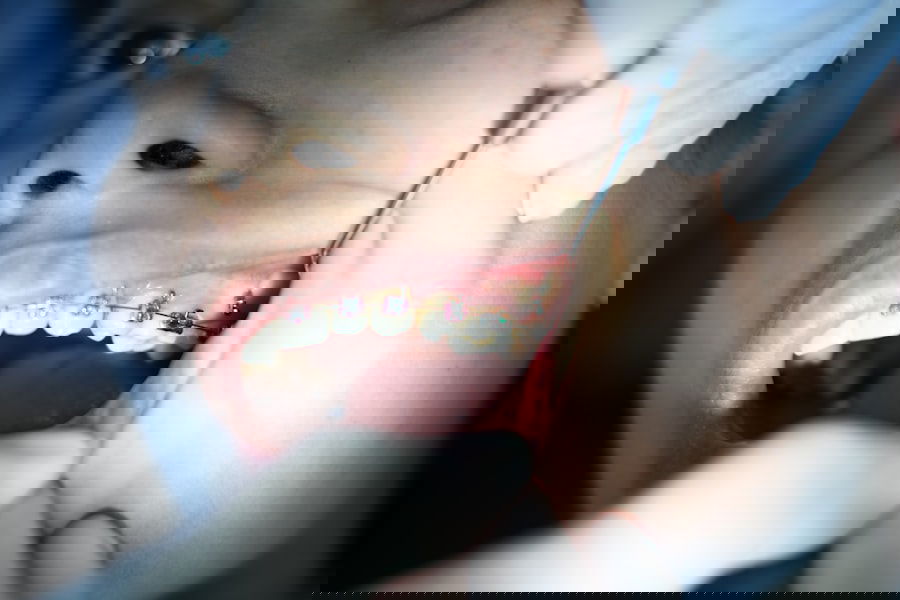
Managing Discomfort
To alleviate soreness following adjustments, over-the-counter pain relievers like ibuprofen or acetaminophen can be effective. Applying a cold compress on the outside of the cheeks can also reduce swelling and numb any pain associated with braces. Additionally, opting for soft foods during periods of discomfort can make eating more comfortable while still providing necessary nutrition. Smoothies, soups, and other soft foods are great options.
When to Seek Attention
If discomfort persists beyond a few days or if you experience severe pain, it’s crucial to communicate with your orthodontist. This may indicate an issue that requires attention, and your orthodontist can provide guidance on how to address it.
Remember, It’s Temporary
It’s essential to keep in mind that discomfort during orthodontic treatment is usually temporary. With the right strategies for managing discomfort and open communication with your orthodontist, you can navigate any challenges that arise during treatment and achieve a beautiful, healthy smile.
Avoiding Damaging Habits
Certain habits can jeopardize the effectiveness of orthodontic treatment and lead to complications that may prolong the process or result in additional costs. One of the most common damaging habits is chewing on hard objects such as pens or fingernails; this can lead to broken brackets or bent wires that require repair by an orthodontist. Similarly, using teeth as tools—such as opening packages or biting into hard foods—can cause significant damage to both teeth and appliances.
Another habit that should be avoided is excessive consumption of sugary foods and beverages. While it may be tempting to indulge in sweets during treatment, sugar contributes to plaque buildup and increases the risk of cavities around brackets and wires. Patients should be encouraged to choose healthier snacks like fruits or yogurt instead of candy or soda.
Additionally, smoking or using tobacco products can negatively impact oral health by increasing inflammation and delaying healing processes in the mouth. By being mindful of these habits and making conscious choices throughout their treatment journey, patients can help ensure successful outcomes.
Emergency Care
Despite careful planning and adherence to guidelines during orthodontic treatment, emergencies can still arise that require immediate attention from an orthodontist. Common emergencies include broken brackets or wires that can cause discomfort or impede progress in treatment. If a bracket becomes loose or breaks off entirely, it is essential for patients to contact their orthodontist promptly for guidance on how to manage the situation until they can be seen.
In some cases, patients may experience discomfort due to a wire poking into their gums or cheeks; this can often be alleviated by using a pair of tweezers or a cotton swab to gently reposition the wire away from sensitive areas. If this is not possible or if significant pain persists, seeking professional help is crucial. Additionally, if a patient loses an aligner or retainer, they should reach out to their orthodontist immediately for advice on how to proceed—continuing with treatment without proper appliances can lead to setbacks in progress.
Understanding how to handle emergencies effectively ensures that patients remain proactive in their care while minimizing disruptions in their orthodontic journey. By being prepared for potential issues and knowing when to seek help from an orthodontist, individuals can navigate their treatment with confidence.
If you are looking for more information on orthodontic maintenance, you may want to check out the article on the White Pearl Dental Care website. This article provides valuable insights into the importance of regular check-ups and proper care for your braces or aligners. To learn more, visit White Pearl Dental Care.
FAQs
What is orthodontic maintenance?
Orthodontic maintenance refers to the ongoing care and management of orthodontic treatments, such as braces or aligners, to ensure the teeth and jaw remain in their corrected positions.
Why is orthodontic maintenance important?
Orthodontic maintenance is important to ensure that the results of orthodontic treatment are maintained over time. Without proper maintenance, the teeth and jaw may shift back to their original positions.
What are some common orthodontic maintenance practices?
Common orthodontic maintenance practices include wearing retainers as prescribed by the orthodontist, maintaining good oral hygiene, attending regular check-ups with the orthodontist, and following any specific instructions provided for the care of braces or aligners.
How long does orthodontic maintenance typically last?
Orthodontic maintenance can last for several years, depending on the individual’s treatment plan and the recommendation of the orthodontist. Retainers may need to be worn for an extended period to prevent teeth from shifting.
What are the consequences of not maintaining orthodontic treatment?
Failure to maintain orthodontic treatment can result in the teeth and jaw reverting to their original positions, potentially undoing the results of the initial treatment. This can lead to the need for additional orthodontic work in the future.