
Dentures are removable prosthetic devices that replace missing teeth and restore oral function. They are classified as either complete dentures, which replace all teeth in the upper or lower jaw, or partial dentures, which fill spaces created by one or several missing teeth. These appliances are constructed from materials including acrylic resin, metal frameworks, and occasionally porcelain components.
Each denture is individually fabricated based on precise measurements of the patient’s oral cavity to ensure proper fit and function. The fabrication process involves multiple appointments including initial consultation, oral impressions, bite registration, and fitting adjustments to achieve optimal alignment with the patient’s jaw structure and gum tissue. Dentures function through mechanical retention and support provided by the underlying oral tissues.
Complete dentures achieve stability by resting on the alveolar ridges and creating suction against the palate and gums. Partial dentures gain support through direct contact with remaining natural teeth via metal clasps, precision attachments, or other retention mechanisms. Contemporary denture technology has advanced considerably, utilizing improved materials and manufacturing techniques that enhance both aesthetic appearance and functional performance.
These developments have resulted in prosthetic devices that more closely replicate the appearance of natural teeth while providing improved chewing efficiency, speech clarity, and overall patient satisfaction.
Key Takeaways
- Dentures effectively replace missing teeth, improving oral health and function.
- They enhance chewing, digestion, speech, and overall communication.
- Dentures help maintain facial structure, appearance, and prevent further tooth loss.
- Proper denture care can prevent gum disease and tooth decay.
- Choosing the right dentures offers long-term comfort, confidence, and cost savings.
The Importance of Replacing Missing Teeth for Oral Health
Replacing missing teeth is crucial for maintaining overall oral health. When a tooth is lost, the surrounding teeth can shift into the empty space, leading to misalignment and bite issues. This misalignment can create additional stress on the jaw and surrounding muscles, potentially resulting in discomfort or pain.
Furthermore, the loss of teeth can lead to bone resorption in the jaw, where the bone begins to deteriorate due to lack of stimulation from tooth roots. This process can alter facial structure over time, leading to a sunken appearance that affects both aesthetics and function. Moreover, missing teeth can significantly impact oral hygiene practices.
Gaps in the dental arch can make it more challenging to clean teeth effectively, increasing the risk of plaque buildup and subsequent gum disease. By replacing missing teeth with dentures, individuals can restore their ability to maintain proper oral hygiene. This restoration not only helps in preventing further dental issues but also contributes to overall health by reducing the risk of systemic conditions linked to poor oral health.
How Dentures Can Improve Chewing and Digestion
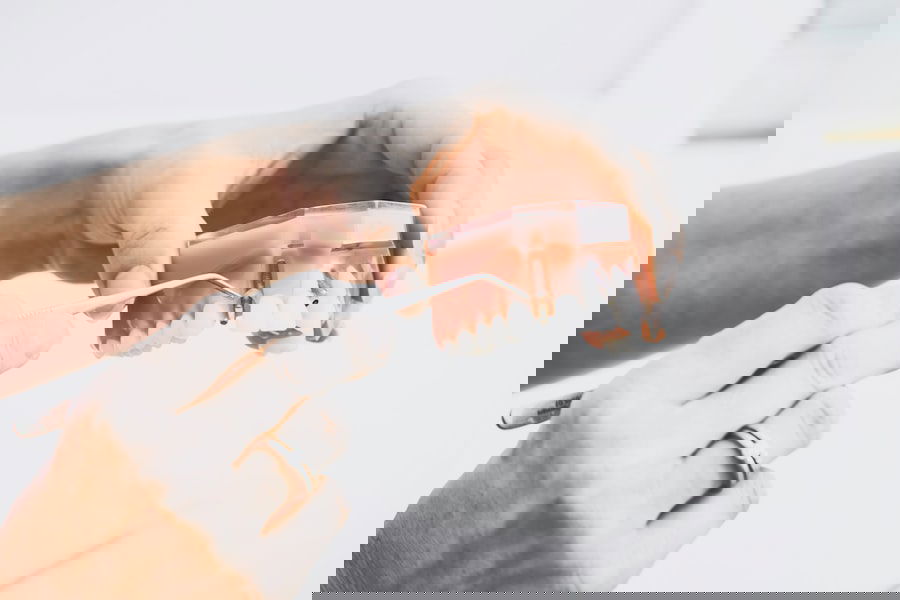
One of the primary functions of teeth is to aid in chewing food, which is essential for proper digestion. When teeth are missing, individuals often find it difficult to chew food thoroughly, leading to larger pieces being swallowed. This can result in digestive issues as the stomach struggles to break down food that has not been adequately processed in the mouth.
Dentures play a vital role in restoring this function by providing a full set of chewing surfaces that allow for effective mastication. With dentures in place, individuals can enjoy a wider variety of foods without discomfort or difficulty.
For instance, foods that are high in fiber or require significant chewing can be consumed more easily with dentures, promoting better digestive health. Additionally, improved chewing can lead to better satiety signals, helping individuals maintain a healthy weight.
Enhancing Speech and Communication with Dentures
Speech is intricately linked to the positioning and presence of teeth in the mouth. Missing teeth can lead to speech impediments or difficulties in pronouncing certain sounds clearly. For example, sounds like “s,” “th,” and “f” often require specific tongue placements against teeth for accurate articulation.
Dentures can significantly enhance speech clarity by providing a stable structure against which the tongue can push and articulate sounds. Individuals who have recently transitioned to wearing dentures may initially experience some challenges with speech as they adjust to the new appliance. However, with practice and time, most people find that their speech improves significantly.
The confidence gained from being able to speak clearly can have profound effects on social interactions and professional opportunities. Enhanced communication abilities contribute not only to personal relationships but also to overall quality of life.
Maintaining Facial Structure and Appearance with Dentures
| Benefit | Description | Metric/Impact |
|---|---|---|
| Improved Chewing Ability | Restores the ability to chew food effectively, aiding digestion and nutrition. | Up to 80% improvement in chewing efficiency compared to no dentures |
| Enhanced Speech | Helps in pronouncing words clearly by supporting lips and tongue placement. | Significant reduction in speech impediments within 2 weeks of use |
| Facial Structure Support | Prevents sagging of facial muscles, maintaining a youthful appearance. | Visible improvement in facial profile and reduced wrinkles |
| Boosted Self-Confidence | Improves smile aesthetics, leading to higher self-esteem and social interaction. | Reported 70% increase in social confidence among denture users |
| Cost-Effective Tooth Replacement | Provides an affordable alternative to dental implants or bridges. | Lower initial and maintenance costs compared to implants |
| Customizable Fit | Can be tailored to individual mouth shape for comfort and functionality. | High satisfaction rates with personalized dentures |
The aesthetic benefits of dentures extend beyond mere tooth replacement; they play a crucial role in maintaining facial structure. When teeth are lost, the underlying bone begins to resorb due to lack of stimulation from tooth roots. This bone loss can lead to changes in facial contours, resulting in a sunken appearance around the cheeks and jawline.
Dentures help counteract this process by providing support for facial muscles and tissues. Modern dentures are designed with aesthetics in mind, closely mimicking the appearance of natural teeth. They can be customized in terms of color, shape, and size to match an individual’s unique facial features.
This customization not only restores functionality but also enhances self-image and confidence. Individuals who wear well-fitted dentures often report feeling more youthful and attractive, positively impacting their social interactions and overall mental well-being.
Preventing Further Tooth Loss with Dentures
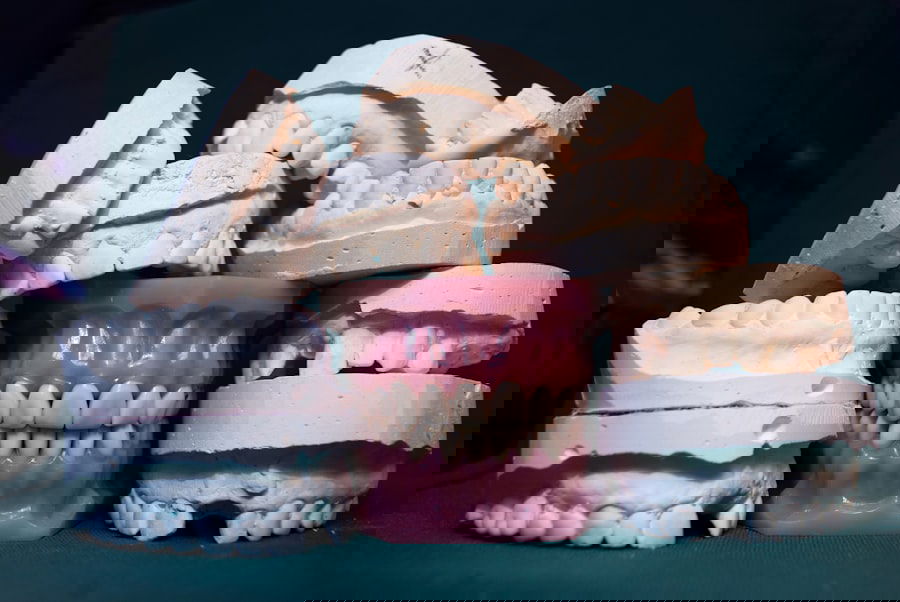
The presence of missing teeth can create a domino effect that leads to further tooth loss over time. When one tooth is lost, adjacent teeth may begin to shift into the gap, leading to misalignment and increased pressure on remaining teeth. This shifting can compromise the integrity of those teeth, making them more susceptible to decay or fracture.
By replacing missing teeth with dentures, individuals can help stabilize their dental arch and prevent additional tooth loss.
With a complete set of teeth restored through dentures, patients are more likely to engage in regular brushing and flossing practices.
This proactive approach not only helps preserve existing teeth but also contributes to overall gum health, reducing the risk of periodontal disease that could lead to further tooth loss.
The Comfort and Convenience of Dentures
Comfort is a significant consideration for anyone contemplating dentures. Advances in dental technology have led to improvements in denture materials and designs that enhance comfort levels for wearers. Custom-fitted dentures are tailored specifically to an individual’s mouth, minimizing discomfort associated with ill-fitting appliances.
Many modern dentures also incorporate soft liners or cushioning materials that provide additional comfort during wear. In addition to comfort, dentures offer convenience in daily life. They are removable, allowing for easy cleaning and maintenance compared to fixed dental restorations like bridges or implants.
This removability enables individuals to maintain optimal oral hygiene without the complexities associated with permanent solutions. Furthermore, modern adhesives have improved significantly, providing enhanced stability for dentures during eating and speaking activities.
Improving Confidence and Self-Esteem with Dentures
The psychological impact of missing teeth cannot be overstated; many individuals experience diminished self-esteem due to their dental appearance. The restoration provided by dentures can lead to a remarkable transformation in self-confidence. With a complete smile restored, individuals often feel more comfortable engaging socially and participating in activities they may have previously avoided due to embarrassment about their teeth.
The boost in confidence extends beyond mere aesthetics; it influences how individuals perceive themselves and interact with others. Many people report feeling more outgoing and willing to engage in conversations after receiving dentures. This newfound confidence can lead to improved relationships both personally and professionally, as individuals feel empowered to present themselves authentically without fear of judgment regarding their dental appearance.
The Role of Dentures in Preventing Gum Disease and Decay
Gum disease is a prevalent issue that can arise from poor oral hygiene practices associated with missing teeth. Gaps in the dental arch can trap food particles and plaque, leading to inflammation and infection of the gums. By replacing missing teeth with dentures, individuals can restore their ability to maintain proper oral hygiene effectively.
Dentures facilitate easier cleaning routines that help prevent plaque buildup around remaining natural teeth and gums. Additionally, wearing dentures encourages regular dental visits for check-ups and adjustments. These visits are crucial for monitoring gum health and ensuring that any potential issues are addressed promptly.
By maintaining good oral hygiene practices alongside regular dental care while wearing dentures, individuals can significantly reduce their risk of developing gum disease or experiencing decay in remaining natural teeth.
The Long-Term Cost Savings of Dentures Compared to Other Tooth Replacement Options
When considering tooth replacement options, cost is often a significant factor for many individuals. While dental implants may offer a permanent solution for missing teeth, they come with higher upfront costs due to surgical procedures and materials involved. In contrast, dentures typically represent a more affordable option for restoring function and aesthetics without requiring invasive procedures.
Moreover, the long-term cost savings associated with dentures extend beyond initial expenses. With proper care and maintenance, dentures can last several years before needing replacement or adjustment. This longevity makes them a cost-effective solution compared to other options that may require ongoing treatments or replacements over time.
Additionally, by preventing further dental issues through timely replacement of missing teeth with dentures, individuals may save on future dental expenses related to complications arising from untreated tooth loss.
Choosing the Right Dentures for Your Oral Health Needs
Selecting the appropriate type of dentures involves careful consideration of individual oral health needs and lifestyle factors. There are various types of dentures available—complete dentures for those missing all their teeth and partial dentures for those retaining some natural teeth. Consulting with a dental professional is essential for determining which option best suits an individual’s specific situation.
Factors such as bone density, gum health, and personal preferences play critical roles in this decision-making process. For instance, individuals with sufficient bone structure may be candidates for implant-supported dentures that offer enhanced stability compared to traditional removable options. Additionally, advancements in denture technology have led to options like flexible partials or immediate dentures that cater to diverse needs while ensuring comfort and functionality.
In conclusion, understanding the multifaceted benefits of dentures highlights their importance not only for restoring oral function but also for enhancing overall quality of life. From improving chewing efficiency and speech clarity to boosting self-esteem and preventing further dental issues, dentures serve as a vital solution for those facing tooth loss.
Dentures can significantly enhance the quality of life for individuals with missing teeth, providing not only improved aesthetics but also better functionality when it comes to eating and speaking. For those interested in further enhancing their oral health and smile, you might find the article on improving oral health tips for a brighter smile particularly useful. This resource offers valuable insights that complement the benefits of dentures by promoting overall dental care and hygiene.
FAQs
What are dentures?
Dentures are removable dental appliances designed to replace missing teeth and surrounding tissues. They help restore the function and appearance of natural teeth.
What are the main types of dentures?
The two main types of dentures are complete dentures, which replace all teeth in the upper or lower jaw, and partial dentures, which replace one or more missing teeth while attaching to remaining natural teeth.
How do dentures improve oral health?
Dentures help maintain the structure of the mouth by supporting facial muscles, preventing the sagging that can occur with tooth loss. They also improve chewing ability and speech clarity.
Can dentures improve appearance?
Yes, dentures restore the natural look of your smile and facial contours, which can enhance overall facial aesthetics and boost self-confidence.
Are dentures comfortable to wear?
Modern dentures are designed for comfort and fit. However, it may take some time to adjust to wearing them, and occasional adjustments by a dentist may be necessary.
How long do dentures last?
With proper care, dentures typically last between 5 to 10 years. Over time, changes in the mouth may require relining, rebasing, or replacement.
Do dentures require special care?
Yes, dentures should be cleaned daily using a soft brush and denture cleaner. They should be removed at night and soaked in a denture solution to maintain hygiene and prevent damage.
Can dentures affect speech?
Initially, dentures may affect speech, but most people adapt quickly. Practice and adjustments can help improve pronunciation and comfort.
Are dentures a good option for all patients with missing teeth?
Dentures are a suitable option for many people with missing teeth, but the best choice depends on individual oral health, bone structure, and personal preferences. A dentist can recommend the most appropriate solution.
Do dentures help with chewing and eating?
Yes, dentures restore the ability to chew food more effectively than having missing teeth, allowing for a more varied and nutritious diet.