
Orthodontic treatment is a specialized branch of dentistry focused on diagnosing, preventing, and correcting misaligned teeth and jaws. The primary goal of orthodontics is to achieve a functional bite and an aesthetically pleasing smile. This field encompasses a variety of techniques and appliances, including traditional metal braces, ceramic braces, lingual braces, and clear aligners like Invisalign.
Each method has its unique advantages and is chosen based on the specific needs of the patient, the complexity of the case, and the desired outcome. The process typically begins with a comprehensive examination, which may include X-rays, photographs, and dental impressions. These diagnostic tools allow orthodontists to create a detailed treatment plan tailored to the individual’s dental structure.
Throughout this journey, regular follow-up appointments are essential to monitor progress and make necessary adjustments to the appliances.
Key Takeaways
- Orthodontic treatment involves the use of braces, aligners, and other appliances to straighten teeth and correct bite issues.
- Orthodontic treatment can improve oral health by making it easier to clean teeth, reducing the risk of gum disease and tooth decay.
- Orthodontic treatment can boost confidence and self-esteem by creating a more attractive smile.
- Orthodontic treatment can enhance facial aesthetics by improving the alignment of the teeth and jaw.
- Orthodontic treatment can correct bite issues such as overbite, underbite, and crossbite, which can improve chewing and speech.
Improving Oral Health with Orthodontic Treatment
One of the most significant benefits of orthodontic treatment is its positive impact on oral health. Misaligned teeth can create areas that are difficult to clean effectively, leading to an increased risk of cavities and gum disease. When teeth are properly aligned, it becomes easier for individuals to maintain good oral hygiene practices.
Straight teeth facilitate more effective brushing and flossing, reducing the likelihood of plaque buildup and subsequent dental issues. Moreover, orthodontic treatment can help distribute bite forces evenly across all teeth. When teeth are misaligned, certain teeth may bear excessive pressure during chewing, which can lead to wear and tear over time.
This uneven distribution can also contribute to jaw pain and discomfort. By correcting these misalignments, orthodontics not only enhances the aesthetic appeal of a smile but also promotes better overall oral health by ensuring that all teeth function harmoniously.
Boosting Confidence and Self-Esteem
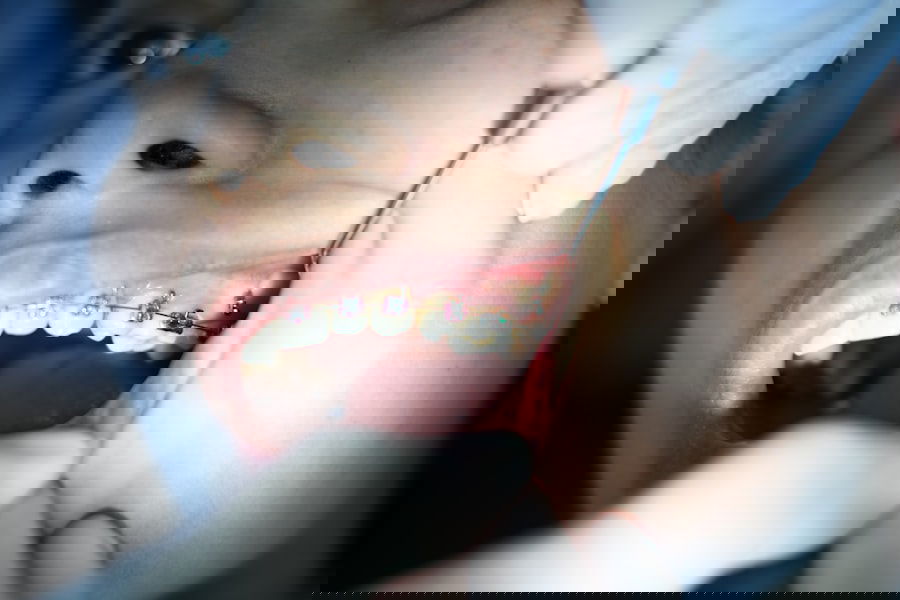
The psychological benefits of orthodontic treatment cannot be overstated. Many individuals who undergo orthodontic procedures report a significant boost in their self-esteem and confidence levels. A straight, well-aligned smile often leads to a more positive self-image, which can influence various aspects of life, including social interactions and professional opportunities.
For children and teenagers, who are particularly sensitive to peer perceptions, having a straight smile can alleviate feelings of self-consciousness and promote a more outgoing personality. In addition to enhancing self-esteem, orthodontic treatment can also improve social dynamics. Individuals with straight teeth are often perceived as more attractive, which can lead to increased social engagement.
This newfound confidence can encourage individuals to participate in activities they might have previously avoided due to embarrassment about their teeth. As a result, orthodontic treatment not only transforms smiles but also enriches lives by fostering greater social connections.
Enhancing Facial Aesthetics
| Facial Aesthetics Metric | Value |
|---|---|
| Number of Facial Procedures | 500,000 |
| Customer Satisfaction Rate | 95% |
| Facial Symmetry Improvement | 80% |
| Facial Rejuvenation Effectiveness | 90% |
Orthodontic treatment plays a crucial role in enhancing facial aesthetics by improving the alignment of teeth and jaws. The position of the teeth significantly influences facial symmetry and overall appearance. For instance, protruding teeth can create an unbalanced look, while overcrowded teeth may lead to a less harmonious facial profile.
By addressing these issues through orthodontics, individuals can achieve a more balanced and attractive facial structure. Furthermore, the relationship between dental alignment and facial features extends beyond mere aesthetics. Properly aligned teeth can enhance the natural contours of the face, contributing to a more youthful appearance.
For example, correcting an overbite or underbite can lead to improved jawline definition and a more pronounced chin. As such, orthodontic treatment not only focuses on the smile but also considers the broader implications for facial aesthetics, making it an integral part of comprehensive dental care.
Correcting Bite Issues
Bite issues, or malocclusions, are common dental problems that can lead to various complications if left untreated. These issues include overbites, underbites, crossbites, and open bites, each presenting unique challenges for oral health and function. Orthodontic treatment is specifically designed to address these malocclusions by repositioning the teeth and jaws into their optimal alignment.
For instance, an overbite occurs when the upper front teeth significantly overlap the lower front teeth. This condition can lead to excessive wear on the lower teeth and jaw discomfort. Orthodontic appliances work by gradually shifting the teeth into a more favorable position, alleviating these concerns.
Similarly, underbites can cause difficulties in chewing and speaking; orthodontics can correct this by realigning the jaw structure. By addressing these bite issues through targeted treatment plans, orthodontists help patients achieve not only improved function but also enhanced comfort in their daily lives.
Preventing Dental Problems
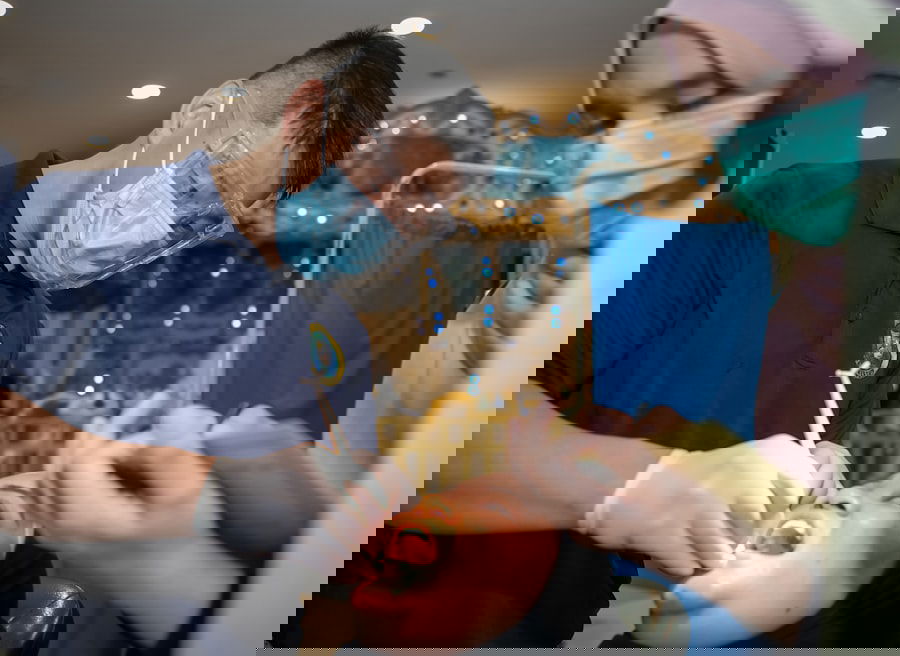
Preventive care is a cornerstone of effective orthodontic treatment. By addressing misalignments early on, orthodontists can help prevent a host of dental problems that may arise from untreated malocclusions. For example, crowded teeth are more susceptible to decay because they create hard-to-reach areas for brushing and flossing.
By straightening these teeth through orthodontic intervention, patients can significantly reduce their risk of cavities and gum disease. Additionally, orthodontic treatment can mitigate issues related to jaw alignment that may lead to temporomandibular joint (TMJ) disorders. Misaligned jaws can cause strain on the jaw muscles and joints, leading to pain and discomfort.
By correcting these misalignments through braces or other orthodontic devices, patients can experience relief from TMJ-related symptoms while simultaneously preventing further complications down the line.
Addressing Speech Difficulties
Speech difficulties can often be linked to dental misalignments or malocclusions. For instance, individuals with an overbite may struggle with certain sounds due to the positioning of their teeth and tongue during speech production. Orthodontic treatment can play a pivotal role in addressing these issues by realigning the teeth and jaws to facilitate clearer articulation.
In many cases, speech therapy may be recommended alongside orthodontic treatment for optimal results. As the alignment improves over time, patients often notice significant enhancements in their speech clarity and confidence when communicating with others. This dual approach not only addresses the physical aspects of speech but also empowers individuals to express themselves more freely without the hindrance of dental-related challenges.
Increasing Comfort and Functionality
Comfort is a vital consideration in orthodontic treatment. Misaligned teeth can lead to discomfort during everyday activities such as eating or speaking. Patients may experience pain or difficulty when biting down or chewing food due to improper alignment.
Orthodontic appliances work to gradually shift teeth into their correct positions, ultimately enhancing comfort during these activities. Moreover, improved functionality is another key benefit of orthodontics. When teeth are properly aligned, they work together more efficiently during chewing and speaking.
This enhanced functionality not only makes daily tasks easier but also contributes to better overall oral health by promoting effective chewing patterns that aid digestion. As patients progress through their orthodontic journey, they often find that their ability to eat a wider variety of foods increases as their comfort levels rise.
Customizing Treatment Options
One of the most appealing aspects of modern orthodontics is the ability to customize treatment options based on individual needs and preferences. Orthodontists take into account various factors such as age, lifestyle, and specific dental concerns when designing a treatment plan. This personalized approach ensures that patients receive care tailored specifically for them.
For example, some patients may prefer clear aligners for aesthetic reasons or due to lifestyle considerations that make traditional braces less appealing. Others may require more complex treatments involving multiple appliances or techniques to achieve optimal results. The flexibility in treatment options allows patients to choose what works best for them while still receiving effective care that addresses their unique dental challenges.
Long-Term Benefits of Orthodontic Treatment
The long-term benefits of orthodontic treatment extend far beyond achieving a straight smile. Patients who undergo orthodontic care often enjoy improved oral health for years after completing their treatment. The alignment achieved through braces or aligners helps maintain proper spacing between teeth, reducing the risk of future dental issues such as decay or gum disease.
Additionally, many individuals find that their investment in orthodontics pays off in terms of enhanced quality of life. A confident smile can open doors in both personal and professional realms, leading to new opportunities and experiences that may have previously felt out of reach due to self-consciousness about dental appearance. The long-lasting effects of orthodontic treatment contribute significantly to overall well-being and satisfaction with one’s appearance.
Considering Orthodontic Treatment for All Ages
Orthodontic treatment is not limited to children or teenagers; adults increasingly seek orthodontic care as well. In fact, many adults are now opting for braces or clear aligners later in life as they recognize the importance of oral health and aesthetics at any age. Advances in technology have made it possible for adults to pursue treatment options that are discreet and effective without compromising their professional image.
Moreover, early intervention is crucial for children with developing dental issues; however, it’s never too late for adults to benefit from orthodontics. Many adults find that addressing long-standing dental concerns leads not only to improved oral health but also enhances their overall quality of life. Whether it’s correcting alignment issues or simply achieving a more confident smile, orthodontic treatment offers valuable benefits for individuals across all age groups.
Orthodontic treatment plays a crucial role in enhancing dental health and aesthetics, offering solutions for misaligned teeth and bite issues. One of the significant advancements in this field is the development of clear aligners, which provide a discreet and comfortable alternative to traditional braces. For those interested in exploring the benefits of these modern orthodontic solutions, the article “au/the-benefits-of-invisalign-a-clear-solution-for-straighter-teeth/’>The Benefits of Invisalign: A Clear Solution for Straighter Teeth” offers valuable insights.
It discusses how Invisalign aligners can effectively straighten teeth while maintaining a nearly invisible appearance, making them an attractive option for both teens and adults seeking orthodontic care.
FAQs
What is orthodontic treatment?
Orthodontic treatment is a dental specialty that focuses on the diagnosis, prevention, and correction of misaligned teeth and jaws. It involves the use of braces, aligners, and other appliances to straighten teeth and improve the bite.
Who needs orthodontic treatment?
Orthodontic treatment is typically recommended for individuals with crooked teeth, crowded teeth, overbites, underbites, crossbites, or other issues with the alignment of the teeth and jaws. It is often recommended for children and adolescents, but adults can also benefit from orthodontic treatment.
What are the benefits of orthodontic treatment?
Orthodontic treatment can improve the appearance of the smile, enhance self-confidence, and make it easier to maintain good oral hygiene. It can also correct bite problems, reduce the risk of dental issues such as cavities and gum disease, and alleviate jaw pain or discomfort.
What are the different types of orthodontic treatment?
Orthodontic treatment options include traditional metal braces, ceramic braces, lingual braces, and clear aligners such as Invisalign. The specific type of treatment recommended will depend on the individual’s needs and preferences.
How long does orthodontic treatment take?
The duration of orthodontic treatment varies depending on the severity of the orthodontic issues and the type of treatment used. On average, treatment can last anywhere from 6 months to 2 years.
Does orthodontic treatment require special care or maintenance?
Patients undergoing orthodontic treatment will need to follow specific oral hygiene practices, such as regular brushing and flossing, to keep their teeth and braces clean. They may also need to avoid certain foods that could damage their braces or aligners.
Are there any risks or side effects associated with orthodontic treatment?
While orthodontic treatment is generally safe, some individuals may experience temporary discomfort, such as soreness or irritation of the mouth, during the initial stages of treatment. In rare cases, there may be risks of tooth decay, gum disease, or root resorption, but these can be minimized with proper care and regular dental check-ups.