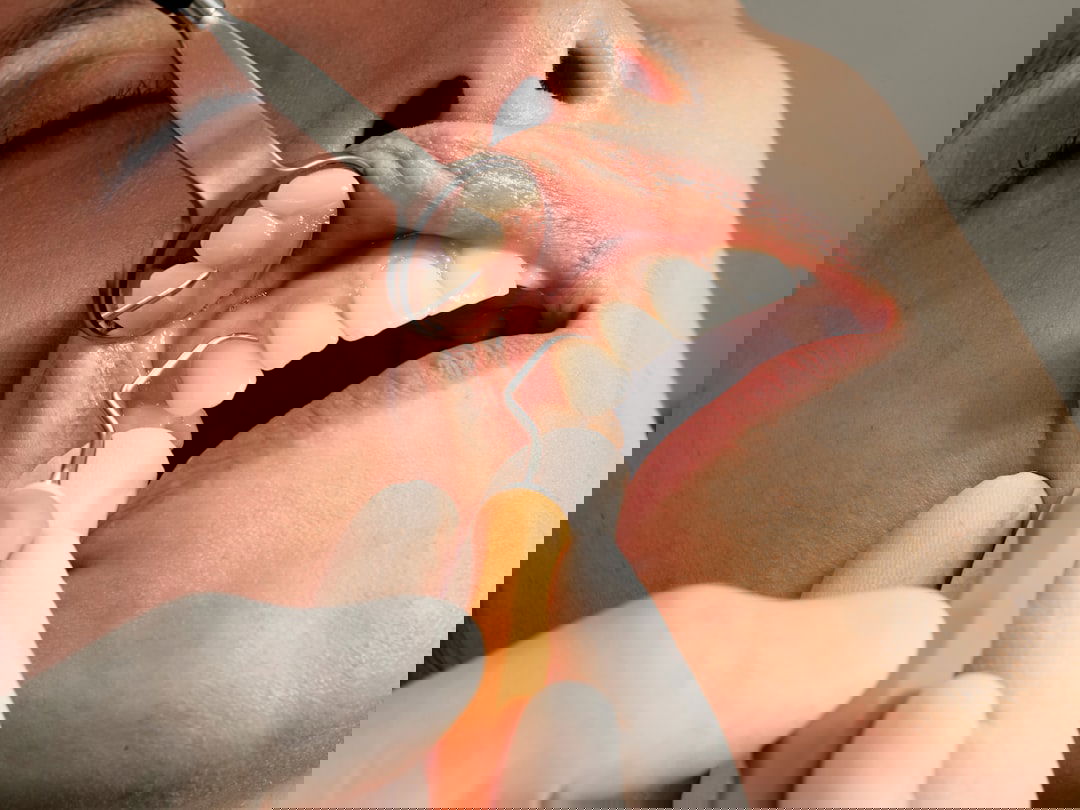
Toothache during pregnancy is a common yet often overlooked issue that can significantly impact a woman’s overall well-being. The physiological changes that occur during pregnancy can lead to various dental problems, including increased sensitivity and discomfort in the teeth and gums. Hormonal fluctuations, particularly the rise in progesterone and estrogen, can affect the body’s response to dental plaque, making pregnant women more susceptible to gum disease and cavities.
Additionally, the increased blood flow and changes in the immune system can exacerbate existing dental issues or create new ones. Pregnancy can also lead to changes in dietary habits, which may contribute to toothache. Many women experience cravings for sugary or acidic foods, which can increase the risk of tooth decay.
Furthermore, morning sickness can lead to frequent vomiting, exposing teeth to stomach acid that can erode enamel and cause sensitivity. Understanding these factors is crucial for pregnant women to manage their oral health effectively and seek appropriate remedies for any discomfort they may experience.
Key Takeaways
- Toothache during pregnancy is a common issue due to hormonal changes and increased blood flow to the gums.
- Common causes of toothache during pregnancy include gum disease, tooth decay, and pregnancy-related oral health issues.
- Safe and effective natural remedies for toothache during pregnancy include rinsing with salt water, using clove oil, and applying cold compress to the affected area.
- Herbal remedies such as chamomile tea and peppermint oil can help alleviate toothache during pregnancy.
- Homeopathic remedies like arnica and belladonna can provide relief from toothache during pregnancy without harmful side effects.
Common Causes of Toothache During Pregnancy
Hormonal Changes and Pregnancy Gingivitis
Hormonal fluctuations during pregnancy can lead to increased blood flow to the gums, resulting in swelling and tenderness. This condition, known as pregnancy gingivitis, can cause discomfort and pain in the gums, which may be mistaken for toothache.
Altered Immune Response and Dietary Changes
The body’s altered immune response during pregnancy can make it more challenging to fight off infections, leading to an increased risk of dental issues. Additionally, dietary changes, such as cravings for sugary snacks or beverages, can promote the growth of bacteria that cause cavities.
Other Contributing Factors
Morning sickness can also contribute to toothache during pregnancy. The acidity from frequent vomiting can weaken tooth enamel, making teeth more vulnerable to decay and sensitivity. Furthermore, poor oral hygiene practices during pregnancy can exacerbate these issues, leading to a cycle of discomfort that requires attention and care.
Safe and Effective Natural Remedies for Toothache During Pregnancy
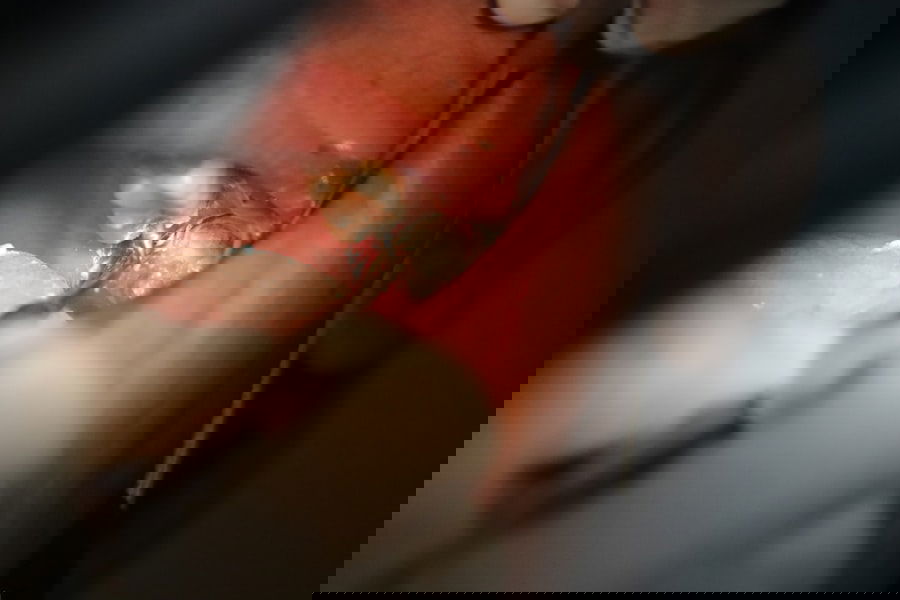
Natural remedies can provide relief from toothache during pregnancy without posing risks to the mother or developing fetus. One effective method is the use of warm saltwater rinses. Saltwater has natural antibacterial properties that can help reduce inflammation and soothe irritated gums. By mixing a teaspoon of salt in a glass of warm water and rinsing the mouth several times a day, pregnant women can alleviate discomfort and promote oral health.
Another natural remedy involves the application of cold compresses to the affected area. Cold therapy can help numb pain and reduce swelling in the gums or jaw.
This method is particularly useful for managing acute pain episodes and can be repeated as needed throughout the day.
Herbal Remedies for Toothache During Pregnancy
| Herbal Remedy | Benefits | Precautions |
|---|---|---|
| Cloves | Relieves pain and has antibacterial properties | Use in moderation as excessive use can cause irritation |
| Peppermint | Has numbing properties and freshens breath | Avoid using in large amounts as it can cause heartburn |
| Chamomile | Reduces inflammation and promotes relaxation | Avoid if allergic to ragweed |
Herbal remedies have been used for centuries to address various ailments, including toothache. One popular option is clove oil, which contains eugenol, a natural anesthetic with anti-inflammatory properties. Pregnant women can apply diluted clove oil directly to the affected tooth or gum area using a cotton ball.
This method not only helps numb pain but also combats bacteria that may be contributing to dental issues. Another effective herbal remedy is chamomile tea. Chamomile has soothing properties that can help reduce inflammation and promote relaxation.
Pregnant women can brew chamomile tea and use it as a mouth rinse or simply sip it to enjoy its calming effects. Additionally, chamomile tea bags can be cooled and applied directly to the affected area for localized relief. These herbal options provide safe alternatives for managing toothache during pregnancy while also promoting overall wellness.
Homeopathic Remedies for Toothache During Pregnancy
Homeopathy offers a holistic approach to treating toothache during pregnancy by utilizing highly diluted substances that stimulate the body’s natural healing processes. One commonly recommended homeopathic remedy is Belladonna, which is often used for acute pain characterized by throbbing sensations. Pregnant women experiencing intense tooth pain may find relief with this remedy when taken as directed by a qualified homeopath.
Another homeopathic option is Hypericum perforatum, particularly useful for nerve-related pain associated with dental issues. This remedy is beneficial for those who experience sharp, shooting pains in their teeth or gums. It is essential for pregnant women to consult with a homeopathic practitioner before starting any treatment to ensure safety and appropriateness based on individual symptoms and health conditions.
Nutritional Remedies for Toothache During Pregnancy
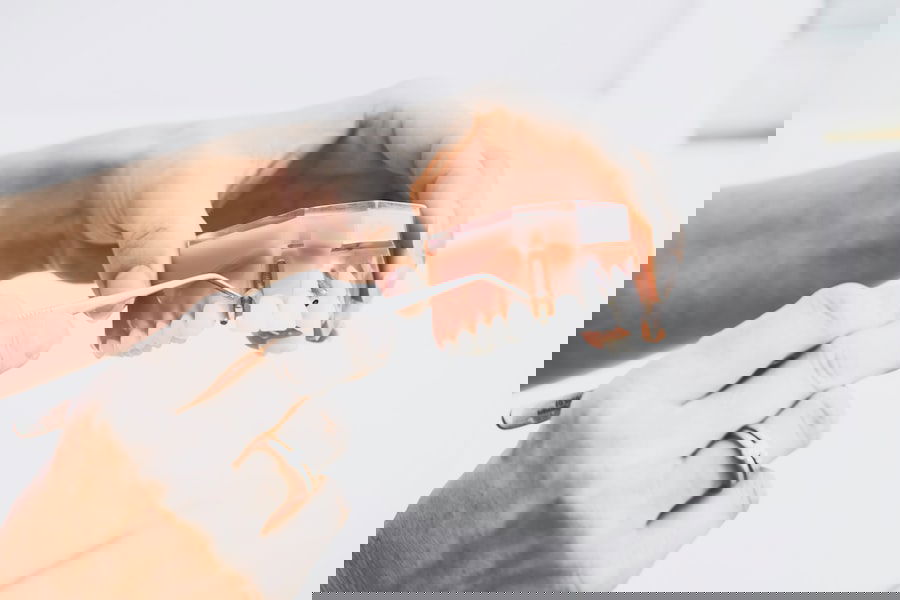
The Importance of Calcium
A well-balanced diet rich in calcium is essential for maintaining good oral health during pregnancy. Foods such as dairy products, leafy greens, and fortified plant-based alternatives are excellent sources of calcium, which supports strong teeth and bones. Adequate calcium intake is crucial during pregnancy, not only for maternal dental health but also for fetal development.
Vitamin C for Healthy Gums
In addition to calcium, vitamin C is another essential nutrient for oral health. Foods high in vitamin C, such as citrus fruits, strawberries, and bell peppers, can help maintain healthy gum tissue and reduce inflammation. Vitamin C is necessary for collagen production, which promotes healing and prevents gum problems.
Staying Hydrated and Eating a Balanced Diet
Drinking plenty of water is vital for oral health, as it helps wash away food particles and bacteria that can contribute to dental problems. A balanced diet rich in essential nutrients not only supports overall health but also plays a significant role in preventing and managing toothache during pregnancy. By making informed dietary choices, expectant mothers can reduce their risk of oral health issues and ensure a healthy pregnancy.
Lifestyle Changes to Alleviate Toothache During Pregnancy
Making specific lifestyle changes can significantly impact oral health during pregnancy and help alleviate toothache symptoms. One of the most effective changes is establishing a consistent oral hygiene routine that includes brushing twice daily with fluoride toothpaste and flossing regularly. Maintaining good oral hygiene helps remove plaque buildup and reduces the risk of cavities and gum disease.
Additionally, pregnant women should be mindful of their snack choices throughout the day. Opting for healthier snacks such as nuts, yogurt, or fresh fruits instead of sugary treats can help minimize the risk of tooth decay.
When to Seek Professional Help for Toothache During Pregnancy
While many cases of toothache during pregnancy can be managed with home remedies and lifestyle changes, there are instances when professional help is necessary. Pregnant women should seek dental care if they experience severe or persistent pain that does not respond to home treatments. Additionally, if there are signs of infection such as swelling, fever, or pus discharge from the gums, immediate attention is required to prevent complications.
It is also crucial for pregnant women to consult their dentist if they notice any changes in their oral health that concern them, such as bleeding gums or increased sensitivity. Regular dental visits are essential during pregnancy not only for addressing existing issues but also for preventive care that ensures both maternal and fetal health are safeguarded throughout this critical period.
If you are pregnant and experiencing toothache, it is important to seek safe and effective remedies. One article that may be helpful is “The Importance of Preventative Dental Care: Benefits for Your Oral Health” which discusses the importance of maintaining good oral hygiene during pregnancy to prevent dental issues. You can read more about it here.
FAQs
What are common causes of toothaches during pregnancy?
During pregnancy, hormonal changes can increase the risk of developing gum disease, which can lead to toothaches. Additionally, increased blood flow and changes in immune response can make pregnant women more susceptible to dental issues such as cavities and tooth sensitivity.
Are there any home remedies for relieving toothaches during pregnancy?
Some home remedies for relieving toothaches during pregnancy include rinsing the mouth with warm salt water, applying a cold compress to the outside of the cheek, and using over-the-counter pain relievers that are safe for pregnant women, such as acetaminophen.
Is it safe to use clove oil for toothaches during pregnancy?
Clove oil has been traditionally used for toothaches due to its natural numbing properties. However, it is important to consult with a healthcare provider before using clove oil during pregnancy, as it may not be safe for all women.
Can I receive dental treatment for a toothache while pregnant?
It is generally safe to receive dental treatment for a toothache during pregnancy, but it is important to inform the dentist about the pregnancy and to avoid unnecessary X-rays and medications. Dental treatments such as fillings and root canals can be performed safely during pregnancy.
How can I prevent toothaches during pregnancy?
To prevent toothaches during pregnancy, it is important to maintain good oral hygiene by brushing and flossing regularly, visiting the dentist for routine check-ups and cleanings, and eating a balanced diet low in sugary and acidic foods.