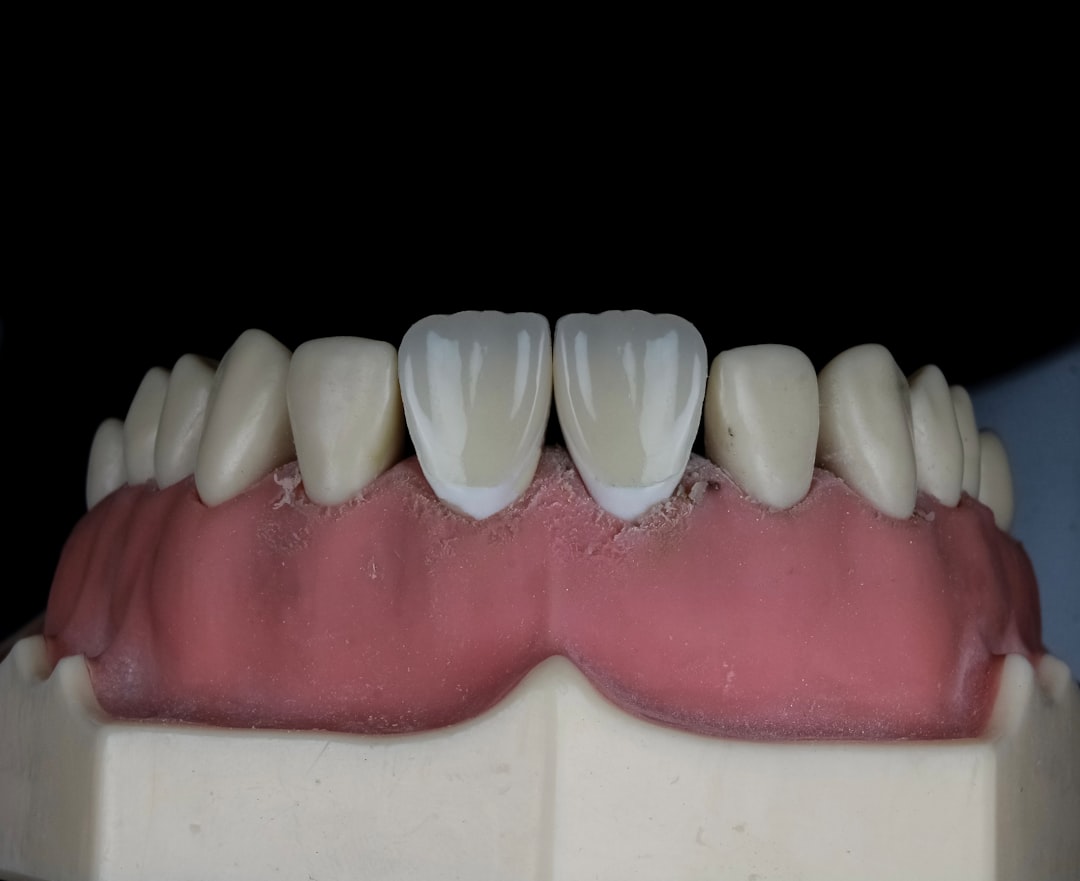
Recognizing the signs and symptoms that necessitate an emergency root canal is crucial for timely intervention and pain relief. One of the most common indicators is severe tooth pain, which often feels sharp, throbbing, or persistent. This pain may worsen when pressure is applied to the affected tooth, such as when chewing or biting down.
Patients may also experience heightened sensitivity to hot or cold stimuli, even after the source of the temperature has been removed. This sensitivity can linger long after the initial exposure, indicating that the nerve within the tooth is inflamed or infected. In addition to pain, other symptoms may manifest, including swelling and tenderness in the gums surrounding the affected tooth.
This swelling can sometimes extend to the face or neck, indicating a more serious infection that requires immediate attention. Patients might also notice a foul taste in their mouth or experience bad breath, which can be attributed to pus draining from an abscessed tooth. In some cases, discoloration of the tooth itself may occur, leading to a grayish or darkened appearance.
These signs collectively suggest that the dental pulp is compromised and that an emergency root canal may be necessary to save the tooth and alleviate discomfort.
Key Takeaways
- Severe tooth pain, sensitivity to hot or cold, swelling, and tenderness are common signs and symptoms of needing an emergency root canal.
- Causes of emergency root canal include severe tooth decay, trauma to the tooth, and infection of the tooth pulp.
- The emergency root canal procedure involves removing the infected pulp, cleaning and disinfecting the root canal, and sealing it to prevent further infection.
- Aftercare for emergency root canal includes taking prescribed medications, avoiding hard or crunchy foods, and attending follow-up appointments for monitoring.
- Risks and complications of emergency root canal may include infection, damage to surrounding teeth, and incomplete removal of infected tissue.
Causes of Emergency Root Canal
The need for an emergency root canal often arises from various underlying causes that compromise the health of a tooth’s pulp. One of the primary culprits is dental decay, which can progress from a simple cavity to a more severe infection if left untreated. Bacteria infiltrate the tooth through the enamel and dentin layers, eventually reaching the pulp chamber where they can cause inflammation and infection.
This process can be exacerbated by poor oral hygiene practices, leading to a higher risk of cavities and subsequent pulpitis. Trauma to the tooth is another significant cause of emergency root canals. A sudden impact, such as a sports injury or a fall, can crack or fracture a tooth, exposing the pulp to bacteria and increasing the likelihood of infection.
Even if there are no visible signs of damage, internal injuries can occur, leading to necrosis of the pulp tissue over time. Additionally, previous dental procedures, such as deep fillings or multiple restorations, can irritate the pulp and create conditions conducive to infection. Understanding these causes is essential for both prevention and timely treatment.
The Procedure
The emergency root canal procedure typically begins with a thorough examination and diagnostic imaging, such as X-rays, to assess the extent of the damage and infection. Once the diagnosis is confirmed, local anesthesia is administered to ensure that the patient remains comfortable throughout the procedure. The dentist or endodontist will then create an opening in the crown of the tooth to access the pulp chamber and root canals.
This step is crucial for removing infected tissue and cleaning out debris. After accessing the pulp chamber, the dentist will use specialized instruments to remove the infected pulp tissue carefully. This process involves cleaning and shaping the canals to prepare them for filling.
Once all infected material has been removed, the canals are thoroughly disinfected to eliminate any remaining bacteria. The next step involves filling the cleaned canals with a biocompatible material called gutta-percha, which seals them off from future infection. Finally, a temporary or permanent filling is placed in the access opening to restore the tooth’s structure and function. In some cases, a crown may be recommended afterward to provide additional support and protection.
Aftercare and Recovery
| Category | Metrics |
|---|---|
| Recovery Time | Number of days or weeks required for full recovery |
| Aftercare Plan | Percentage of patients with a personalized aftercare plan |
| Follow-up Appointments | Average number of follow-up appointments scheduled |
| Complications | Percentage of patients experiencing post-treatment complications |
Post-procedure care is vital for ensuring a smooth recovery after an emergency root canal. Patients are typically advised to avoid chewing on the treated side of their mouth until they have fully healed and any temporary fillings have been replaced with permanent restorations. It is common to experience some discomfort or mild pain in the days following the procedure; however, this can usually be managed with over-the-counter pain relievers such as ibuprofen or acetaminophen.
If pain persists or worsens significantly, it is essential to contact the dentist for further evaluation. Maintaining good oral hygiene practices is crucial during recovery. Patients should continue brushing their teeth gently but thoroughly, avoiding the treated area if it remains sensitive.
Regular follow-up appointments may be scheduled to monitor healing and ensure that no complications arise during recovery. Adhering to these aftercare instructions can significantly enhance healing and reduce the risk of further dental issues.
Risks and Complications
While emergency root canals are generally safe procedures with high success rates, there are potential risks and complications that patients should be aware of. One common concern is reinfection of the tooth, which can occur if bacteria remain in the canals or if new decay develops after treatment. This situation may necessitate additional procedures or even extraction if not addressed promptly.
Patients who do not follow post-treatment care instructions may also face increased risks of complications. Another potential complication is damage to surrounding structures during the procedure. The intricate anatomy of teeth means that there is always a risk of perforating a canal or damaging adjacent teeth or nerves during treatment.
In rare cases, patients may experience prolonged numbness or tingling in their lips or tongue due to nerve irritation during the procedure. While these complications are uncommon, they underscore the importance of choosing an experienced dental professional for emergency root canal treatment.
Cost and Insurance Coverage
The cost of an emergency root canal can vary significantly based on several factors, including geographic location, complexity of the case, and whether additional treatments are required afterward. On average, patients can expect to pay between $700 and $1,500 for a single-root canal procedure. If multiple roots are involved or if surgery is necessary due to complications, costs can increase substantially.
It’s important for patients to discuss pricing upfront with their dental provider to avoid unexpected expenses. Insurance coverage for root canal procedures also varies widely among plans. Many dental insurance policies cover a portion of endodontic treatments, but patients should verify their specific coverage details before proceeding with treatment.
Some plans may require pre-authorization or have waiting periods before coverage kicks in for certain procedures. For those without insurance or with limited coverage, many dental offices offer payment plans or financing options to help manage costs effectively.
Finding an Emergency Root Canal Specialist
When faced with a dental emergency requiring a root canal, finding a qualified specialist is paramount for ensuring effective treatment and care. Patients should start by seeking recommendations from their general dentist, who can refer them to an experienced endodontist specializing in root canal therapy. Online reviews and testimonials can also provide valuable insights into a specialist’s reputation and patient satisfaction levels.
In addition to seeking referrals, patients should consider factors such as location, office hours, and availability for emergency appointments when selecting a specialist. Many endodontists offer same-day appointments for urgent cases, which can be crucial for alleviating pain quickly. It’s also advisable to inquire about the technology and techniques used in their practice; modern advancements such as digital imaging and rotary endodontics can enhance precision and comfort during procedures.
Prevention and Maintenance
Preventing dental issues that could lead to an emergency root canal involves maintaining good oral hygiene practices and regular dental check-ups. Brushing twice daily with fluoride toothpaste and flossing at least once a day helps remove plaque buildup that can lead to cavities and infections. Additionally, using an antibacterial mouthwash can further reduce harmful bacteria in the mouth.
Regular visits to a dentist for professional cleanings and examinations are essential for early detection of potential problems before they escalate into emergencies. During these visits, dentists can identify early signs of decay or gum disease and recommend appropriate treatments before they necessitate more invasive procedures like root canals. Furthermore, wearing protective gear during sports activities can help prevent trauma to teeth that could lead to pulp damage.
By adopting these preventive measures and maintaining consistent dental care routines, individuals can significantly reduce their risk of requiring emergency root canal treatment in the future.
If you are considering getting dental veneers to transform your smile, it is important to ensure that your teeth are healthy first. Maintaining good oral health is crucial, as issues such as gum disease can have serious consequences for your overall health. In fact, gum disease has been linked to various health problems, including heart disease and diabetes. To prevent such issues, it is essential to take care of your teeth and gums. If you are experiencing severe tooth pain, you may need to undergo emergency root canal treatment. To learn more about the importance of maintaining good oral health and preventing gum disease, check out