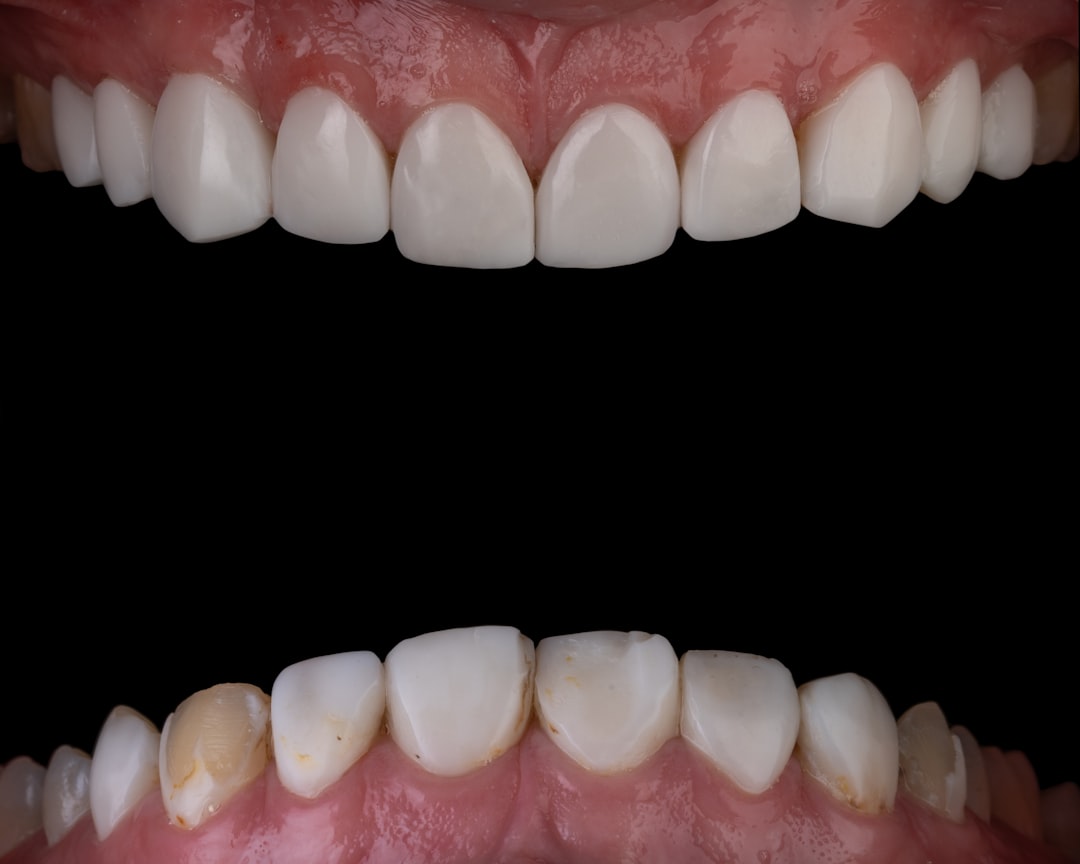
Orthodontic treatment has evolved significantly over the years, offering a variety of options for individuals seeking to improve their dental alignment and overall oral health. The primary goal of orthodontics is to correct malocclusions, which are misalignments of the teeth and jaws that can lead to functional issues and aesthetic concerns. Traditionally, metal braces were the go-to solution for many patients, but advancements in technology have introduced alternatives such as clear aligners, most notably Invisalign.
This article delves into the intricacies of these two popular orthodontic treatment options, exploring their mechanisms, benefits, drawbacks, and suitability for various dental issues. As more people become aware of the importance of oral health and aesthetics, the demand for effective orthodontic solutions has surged. Patients today are not only looking for treatments that straighten their teeth but also those that fit seamlessly into their lifestyles.
This has led to a growing interest in understanding the differences between traditional braces and modern alternatives like Invisalign. By examining these options in detail, individuals can make informed decisions that align with their personal preferences, treatment needs, and financial considerations.
Key Takeaways
- Orthodontic treatment options include Invisalign and traditional braces
- Invisalign is a clear aligner system that is virtually invisible
- Traditional braces use metal brackets and wires to straighten teeth
- Pros of Invisalign include being removable and less noticeable
- Pros of traditional braces include being more effective for complex orthodontic issues
Understanding Invisalign
Invisalign is a revolutionary orthodontic treatment that utilizes a series of custom-made clear aligners to gradually shift teeth into their desired positions. Unlike traditional braces, which use brackets and wires, Invisalign aligners are made from a smooth, transparent plastic material that is virtually invisible when worn. This aesthetic advantage has made Invisalign particularly appealing to adults and teenagers who may feel self-conscious about wearing conventional braces.
The treatment begins with a comprehensive consultation where a 3D digital scan of the patient’s teeth is taken. This scan is then used to create a personalized treatment plan that outlines the expected movements of the teeth over time. One of the key features of Invisalign is its removability.
Patients can take out the aligners when eating, drinking, brushing, or flossing, which allows for greater flexibility in maintaining oral hygiene compared to traditional braces. Each set of aligners is typically worn for about two weeks before being replaced with the next set in the series. This process continues until the teeth have moved into their final positions as determined by the orthodontist.
The convenience of being able to remove the aligners also means that patients can enjoy their favorite foods without restrictions, a significant advantage over fixed appliances.
Understanding Traditional Braces
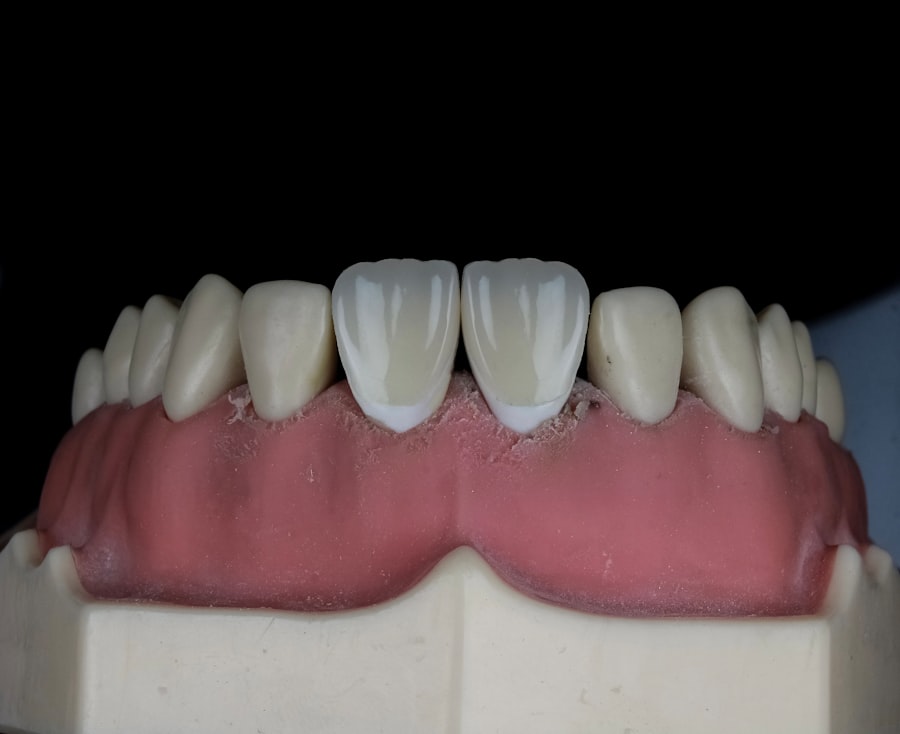
Traditional braces consist of metal brackets that are bonded to the teeth and connected by a wire. The wire is adjusted periodically by an orthodontist to apply pressure on the teeth, guiding them into alignment over time. While metal braces are often associated with a more noticeable appearance, they remain one of the most effective methods for treating a wide range of orthodontic issues, including severe crowding, spacing problems, and bite discrepancies.
The durability of metal braces makes them suitable for patients of all ages, including children who may not be as diligent about wearing removable appliances. In recent years, traditional braces have also seen advancements in design and materials. For instance, ceramic braces offer a more discreet option by using tooth-colored or clear brackets that blend in with the natural color of the teeth.
Additionally, self-ligating braces eliminate the need for elastic bands, allowing for easier cleaning and potentially shorter treatment times. Despite these innovations, traditional braces still require regular visits to the orthodontist for adjustments and maintenance, which can be a consideration for patients with busy schedules.
Pros and Cons of Invisalign
| Pros | Cons |
|---|---|
| Removable | Requires discipline to wear consistently |
| Clear and nearly invisible | May not be suitable for severe orthodontic issues |
| More comfortable than traditional braces | Can be more expensive than traditional braces |
| Easier to maintain oral hygiene | May cause slight speech impediment initially |
Invisalign offers several advantages that appeal to many patients seeking orthodontic treatment. One of the most significant benefits is its aesthetic appeal; the clear aligners are nearly invisible, allowing individuals to undergo treatment without drawing attention to their dental work. This feature is particularly advantageous for adults in professional settings or teenagers who may be concerned about their appearance during formative years.
Furthermore, the removability of Invisalign aligners facilitates better oral hygiene practices since patients can brush and floss without obstruction. However, Invisalign is not without its drawbacks. One notable limitation is that it may not be suitable for all orthodontic cases.
Complex issues such as severe malocclusions or significant tooth rotations may require more precise movements than what aligners can provide. Additionally, the success of Invisalign heavily relies on patient compliance; aligners must be worn for 20 to 22 hours per day to achieve optimal results. Failure to adhere to this guideline can prolong treatment time or lead to suboptimal outcomes.
Moreover, some patients may experience discomfort during the initial days of wearing a new set of aligners as their teeth adjust to the pressure.
Pros and Cons of Traditional Braces
Traditional braces come with their own set of advantages that make them a reliable choice for many patients. One of the primary benefits is their effectiveness in treating a wide range of orthodontic issues, including complex cases that may not be suitable for clear aligners. The fixed nature of braces means that they work continuously without relying on patient compliance regarding wear time.
This can be particularly beneficial for younger patients who may struggle with responsibility or forgetfulness when it comes to removable appliances. On the downside, traditional braces can be less comfortable than Invisalign due to the presence of brackets and wires that may irritate the gums and cheeks. Additionally, they require dietary restrictions; certain foods like popcorn, hard candies, and sticky substances can damage the brackets or get stuck in the wires.
Maintaining oral hygiene can also be more challenging with braces since brushing and flossing require special techniques and tools to clean around the brackets effectively. The visibility of metal braces can also be a concern for some patients who prefer a more discreet option.
Suitability for Different Orthodontic Issues
When considering orthodontic treatment options, it is essential to evaluate which method is best suited for specific dental issues. Invisalign is particularly effective for mild to moderate cases involving crowding, spacing, and minor bite corrections. It excels in cases where teeth need to be moved incrementally without significant force or complex adjustments.
For example, patients with slight misalignments or those looking to correct minor gaps between teeth often find success with Invisalign. Conversely, traditional braces are often recommended for more complex orthodontic problems that require significant tooth movement or correction of severe bite issues such as overbites or underbites. Cases involving impacted teeth or those requiring surgical intervention may also necessitate traditional braces due to their ability to provide precise control over tooth positioning.
Orthodontists typically conduct thorough evaluations and diagnostic imaging to determine the most appropriate treatment plan based on individual needs.
Cost Comparison
The cost of orthodontic treatment can vary significantly based on several factors, including geographic location, complexity of the case, and duration of treatment. Generally speaking, traditional braces tend to be more affordable than Invisalign due to lower material costs and fewer technological components involved in their application. On average, traditional metal braces can range from $3,000 to $7,000 depending on the length of treatment and specific needs.
Invisalign treatment costs typically fall within a similar range but can sometimes be higher due to the custom fabrication process involved in creating each set of aligners. Patients can expect to pay between $3,500 and $8,000 for Invisalign treatment. Many dental insurance plans offer coverage for orthodontic treatments; however, it is crucial for patients to verify their specific benefits as they relate to either option.
Financing plans and payment options are often available through orthodontic practices to help manage costs.
Maintenance and Care
Proper maintenance and care are essential components of successful orthodontic treatment, regardless of whether one opts for Invisalign or traditional braces. For Invisalign users, maintaining oral hygiene is relatively straightforward since aligners can be removed during brushing and flossing sessions. Patients are encouraged to clean their aligners regularly using mild soap and lukewarm water to prevent staining or odor buildup.
It is also advisable to avoid exposing aligners to hot water or direct sunlight as this can warp the plastic material. In contrast, traditional braces require more diligence when it comes to oral hygiene practices. Patients must learn how to navigate brushing around brackets and wires effectively using specialized tools such as interdental brushes or floss threaders designed for braces wearers.
Regular visits to the orthodontist are necessary not only for adjustments but also for professional cleanings that help prevent plaque buildup around brackets. Additionally, patients must be mindful of dietary restrictions to avoid damaging their braces during treatment.
Treatment Duration
The duration of orthodontic treatment varies widely based on individual circumstances and the chosen method. On average, Invisalign treatment typically lasts between 12 to 18 months; however, this timeline can fluctuate depending on factors such as patient compliance and complexity of the case. Some patients may achieve desired results in as little as six months if they have minor alignment issues while others with more significant concerns may require longer treatment periods.
Traditional braces generally have a similar treatment duration but can sometimes take longer due to the nature of fixed appliances requiring regular adjustments by an orthodontist. Most patients wearing traditional braces can expect treatment times ranging from 18 months to three years based on their specific needs and how well they adhere to care instructions provided by their orthodontist.
Impact on Daily Life
The choice between Invisalign and traditional braces can significantly impact daily life in various ways. For many individuals considering orthodontic treatment, aesthetics play a crucial role in their decision-making process. Invisalign’s clear aligners allow patients to maintain a more natural appearance during treatment compared to metal braces that are often seen as conspicuous.
This aspect can boost confidence levels in social situations or professional environments where appearance matters. However, traditional braces come with their own set of lifestyle adjustments that patients must navigate during treatment. The fixed nature of braces means that individuals may need to modify certain habits such as eating out at restaurants or participating in contact sports where mouthguards are necessary for protection against injury.
Additionally, regular visits to the orthodontist for adjustments can require time off from work or school commitments.
Making the Decision: Invisalign or Braces?
Deciding between Invisalign and traditional braces ultimately hinges on several factors including personal preferences, specific dental needs, lifestyle considerations, and budget constraints. Individuals who prioritize aesthetics and convenience may lean towards Invisalign due to its discreet appearance and removability features while those facing complex orthodontic challenges might find traditional braces more effective in achieving desired results. Consultation with an experienced orthodontist is crucial in making an informed decision about which option best suits individual circumstances.
A thorough evaluation will help determine not only which method aligns with specific dental issues but also what factors such as lifestyle preferences or financial considerations should be taken into account when choosing between these two popular orthodontic treatments. By weighing all aspects carefully, patients can embark on their journey toward achieving a healthier smile with confidence in their chosen path forward.
When considering the choice between Invisalign and traditional braces, it is important to weigh the pros and cons of each option. Invisalign offers a more discreet and comfortable alternative to metal braces, but it may not be suitable for all cases. For more information on preventative dental tips for maintaining healthy smiles, check out au/preventative-dental-tips-for-healthy-smiles/’>this article.
It is crucial to prioritize oral health in order to achieve the best results from orthodontic treatment. Additionally, understanding the cost of Invisalign is essential before making a decision, so be sure to read this article for more information.
FAQs
What is Invisalign?
Invisalign is a type of orthodontic treatment that uses clear, removable aligners to straighten teeth.
What are traditional braces?
Traditional braces are a type of orthodontic treatment that uses metal brackets and wires to straighten teeth.
How do Invisalign and traditional braces work?
Invisalign works by using a series of custom-made aligners to gradually shift teeth into the desired position. Traditional braces work by applying constant pressure to the teeth through the use of brackets and wires.
What are the main differences between Invisalign and traditional braces?
The main differences between Invisalign and traditional braces are the visibility, comfort, and maintenance. Invisalign aligners are virtually invisible, removable, and require less maintenance compared to traditional braces, which are more noticeable, non-removable, and require regular adjustments.
Which is more effective, Invisalign or traditional braces?
Both Invisalign and traditional braces are effective in straightening teeth. The effectiveness of each treatment depends on the individual’s specific orthodontic needs and the compliance with the treatment plan.
Are there any age restrictions for Invisalign or traditional braces?
Both Invisalign and traditional braces can be used by individuals of all ages, including children, teenagers, and adults.
What are the potential drawbacks of Invisalign and traditional braces?
Potential drawbacks of Invisalign include the need for strict compliance with wearing the aligners and the possibility of increased treatment time for complex cases. Traditional braces may cause discomfort and require dietary restrictions to prevent damage to the brackets and wires.
How do I decide between Invisalign and traditional braces?
The decision between Invisalign and traditional braces should be based on a consultation with an orthodontist, who can assess your specific orthodontic needs and recommend the most suitable treatment option.