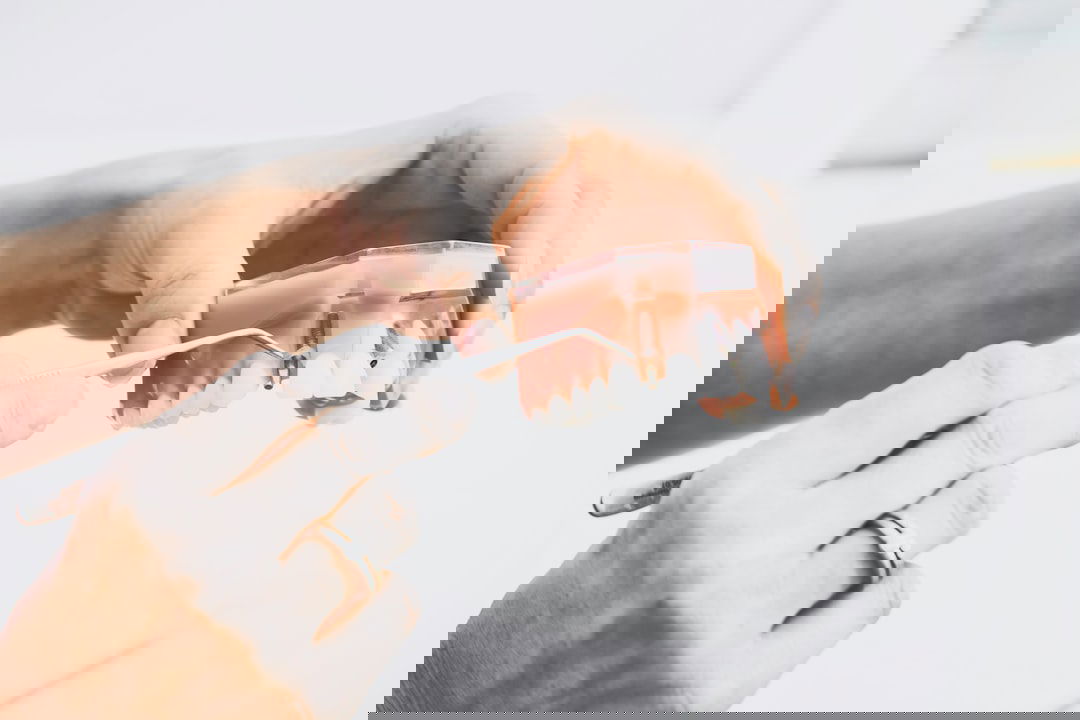
Urgent care dentistry is a specialized branch of dental practice that addresses immediate and often unexpected dental issues requiring prompt attention. Unlike routine dental visits, which are typically scheduled in advance for preventive care or non-urgent concerns, urgent care dentistry focuses on acute conditions that can cause significant pain, discomfort, or complications if not treated swiftly. This field encompasses a wide range of situations, from severe toothaches and broken teeth to infections and trauma resulting from accidents.
The primary goal of urgent care dentistry is to alleviate pain and prevent further damage to the teeth and surrounding structures. Dental professionals in this field are trained to diagnose and treat a variety of emergencies, ensuring that patients receive the necessary care without delay. This can include procedures such as tooth extractions, root canal therapy, or the application of temporary restorations.
Understanding the scope of urgent care dentistry is crucial for patients, as it empowers them to recognize when they need to seek immediate help and what types of services they can expect.
Key Takeaways
- Urgent care dentistry provides immediate relief for dental emergencies such as severe toothaches, broken teeth, and abscesses.
- Seek emergency dental treatment if you experience severe pain, bleeding, swelling, or trauma to the mouth or teeth.
- At an emergency dental clinic, expect to receive prompt evaluation, pain management, and necessary treatment for your dental emergency.
- Common dental emergencies include knocked-out teeth, cracked or fractured teeth, and severe toothaches, which may require treatments such as root canals, dental crowns, or tooth extraction.
- To prepare for an emergency dental visit, have important information ready, such as your dental history, insurance details, and any medications you are taking.
When to Seek Emergency Dental Treatment
Accidents and Injuries
Accidents can happen at any time, whether during sports activities, falls, or even simple mishaps at home. If a tooth is knocked out or significantly damaged, it is crucial to seek emergency dental treatment as soon as possible.
Reattaching Knocked-Out Teeth
In some cases, a dentist may be able to reattach a knocked-out tooth if the patient arrives promptly and follows proper handling procedures.
Infections and Swelling
Additionally, swelling in the gums or face, especially when accompanied by difficulty swallowing, can indicate an infection that requires immediate intervention.
What to Expect at an Emergency Dental Clinic

Visiting an emergency dental clinic can be a daunting experience, particularly for those who are in pain or distress.
The first step typically involves filling out a medical history form and providing details about the current dental issue. This information helps the dental team assess the urgency of the situation and prioritize treatment accordingly. Once in the examination room, a dentist will conduct a thorough assessment of the patient’s condition.
This may involve taking X-rays to identify underlying problems that are not visible during a visual examination. Based on the findings, the dentist will discuss potential treatment options with the patient, explaining the procedures involved and any associated risks. Patients should feel empowered to ask questions and express any concerns they may have about their treatment plan.
The goal of an emergency dental clinic is not only to provide immediate relief but also to ensure that patients feel informed and comfortable throughout the process.
Common Dental Emergencies and Treatments
| Dental Emergency | Treatment |
|---|---|
| Toothache | Root canal, filling, or extraction |
| Chipped or broken tooth | Dental bonding, crown, or veneer |
| Knocked-out tooth | Re-implantation or dental implant |
| Lost filling or crown | Temporary filling or new crown |
| Object stuck between teeth | Dental floss or professional removal |
Dental emergencies can manifest in various forms, each requiring specific treatments tailored to the individual situation. One prevalent emergency is a toothache caused by decay or infection. In such cases, dentists may perform root canal therapy to remove infected tissue and alleviate pain.
This procedure involves cleaning out the pulp chamber of the tooth and sealing it to prevent further infection. Another common emergency is a fractured or chipped tooth. Depending on the severity of the damage, treatment options may include dental bonding for minor chips or crowns for more significant fractures.
In cases where a tooth is completely knocked out, immediate action is crucial. If the tooth can be preserved by placing it back into its socket or storing it in milk until reaching the dentist, there is a higher chance of successful reattachment. Gum infections also represent a significant dental emergency.
Symptoms may include swelling, redness, and pus discharge from the gums. Treatment often involves deep cleaning procedures such as scaling and root planing to remove plaque and tartar buildup beneath the gum line. In more severe cases, antibiotics may be prescribed to combat infection.
How to Prepare for an Emergency Dental Visit
Preparation for an emergency dental visit can significantly impact the efficiency of care received and the overall experience for the patient. One essential step is to gather relevant medical information before heading to the clinic. This includes a list of current medications, any known allergies, and previous dental treatments or surgeries.
Having this information readily available allows dental professionals to make informed decisions regarding treatment options. Additionally, patients should consider bringing along any dental records or X-rays if they have them available. This documentation can provide valuable insights into their dental history and assist in diagnosing current issues more effectively.
It’s also advisable to have a trusted friend or family member accompany you if possible; their support can help alleviate anxiety during what may be a stressful time. Understanding what to expect during the visit can also help ease nerves. Patients should be prepared for a thorough examination and possibly some diagnostic imaging.
Knowing that these steps are essential for accurate diagnosis can help patients feel more at ease with the process.
The Benefits of Seeking Immediate Dental Relief

The benefits of seeking immediate dental relief extend beyond just alleviating pain; they encompass long-term health outcomes as well. Prompt treatment can prevent minor issues from escalating into more severe problems that require extensive and costly interventions down the line. For instance, addressing a small cavity before it progresses into a root canal situation not only saves money but also preserves the natural tooth structure.
Moreover, immediate care can significantly reduce the risk of complications associated with untreated dental issues. Infections that are left unaddressed can spread beyond the mouth, leading to systemic health problems such as sepsis or cardiovascular issues. By seeking timely treatment, patients not only protect their oral health but also contribute positively to their overall well-being.
Additionally, receiving prompt care can enhance a patient’s quality of life by alleviating discomfort and restoring functionality. Whether it’s being able to eat without pain or feeling confident in one’s smile again, addressing dental emergencies quickly can lead to significant improvements in daily living.
Finding an Emergency Dental Clinic Near You
Finding an emergency dental clinic nearby is crucial for ensuring timely treatment when unexpected dental issues arise. Many communities have dedicated urgent care dental facilities that operate outside regular business hours, providing essential services during evenings and weekends when traditional dental offices may be closed. A quick online search using terms like “emergency dentist near me” can yield valuable results.
Local directories and review platforms can also provide insights into nearby clinics, including patient reviews and ratings that reflect the quality of care provided. It’s beneficial to look for clinics that offer comprehensive services so that they can address various emergencies without needing referrals elsewhere. Additionally, many dental insurance plans include provisions for emergency care; checking with your insurance provider can help identify covered clinics in your area.
Having this information readily available ensures that you are prepared should an emergency arise.
Tips for Preventing Dental Emergencies
While not all dental emergencies can be prevented, there are several proactive measures individuals can take to minimize their risk. One fundamental practice is maintaining good oral hygiene through regular brushing and flossing combined with routine dental check-ups. These habits help prevent decay and gum disease, which are common culprits behind many emergencies.
Wearing protective gear during sports activities is another effective way to prevent trauma-related dental injuries. Mouthguards are particularly important for athletes engaged in contact sports; they provide cushioning that protects teeth from impact during play. Additionally, being mindful of dietary choices can contribute significantly to oral health.
Limiting sugary snacks and beverages reduces the risk of cavities while incorporating calcium-rich foods supports strong teeth and bones. Regularly visiting a dentist for professional cleanings and examinations allows for early detection of potential issues before they escalate into emergencies. By adopting these preventive strategies, individuals can significantly reduce their chances of experiencing painful and disruptive dental emergencies while promoting long-term oral health.
If you are in need of emergency dental care, it is important to know that there are options available to you. One related article that may be of interest is “Tips for Smooth Wisdom Teeth Recovery” which provides helpful advice on how to recover from wisdom teeth removal surgery. You can read more about it here. It is always best to be prepared for any dental emergency, so knowing where to go for treatment and how to care for your teeth post-surgery can make a big difference in your overall oral health.
FAQs
What is an emergency dental clinic?
An emergency dental clinic is a facility that provides urgent dental care for patients experiencing severe pain, swelling, bleeding, or trauma to the teeth or mouth.
What services are offered at an emergency dental clinic?
Emergency dental clinics typically offer services such as tooth extractions, treatment for dental abscesses, repair of broken or chipped teeth, and management of severe toothaches or oral infections.
When should I visit an emergency dental clinic?
You should visit an emergency dental clinic if you are experiencing severe dental pain, swelling, bleeding, or trauma to the teeth or mouth that cannot wait for a regular dental appointment.
How do I find an emergency dental clinic?
You can find an emergency dental clinic by searching online, contacting your regular dentist for after-hours or emergency care options, or calling your local hospital for recommendations.
What should I do if I cannot find an emergency dental clinic?
If you cannot find an emergency dental clinic, you should go to the nearest hospital emergency room for immediate dental care. They can provide temporary relief until you can see a dentist.