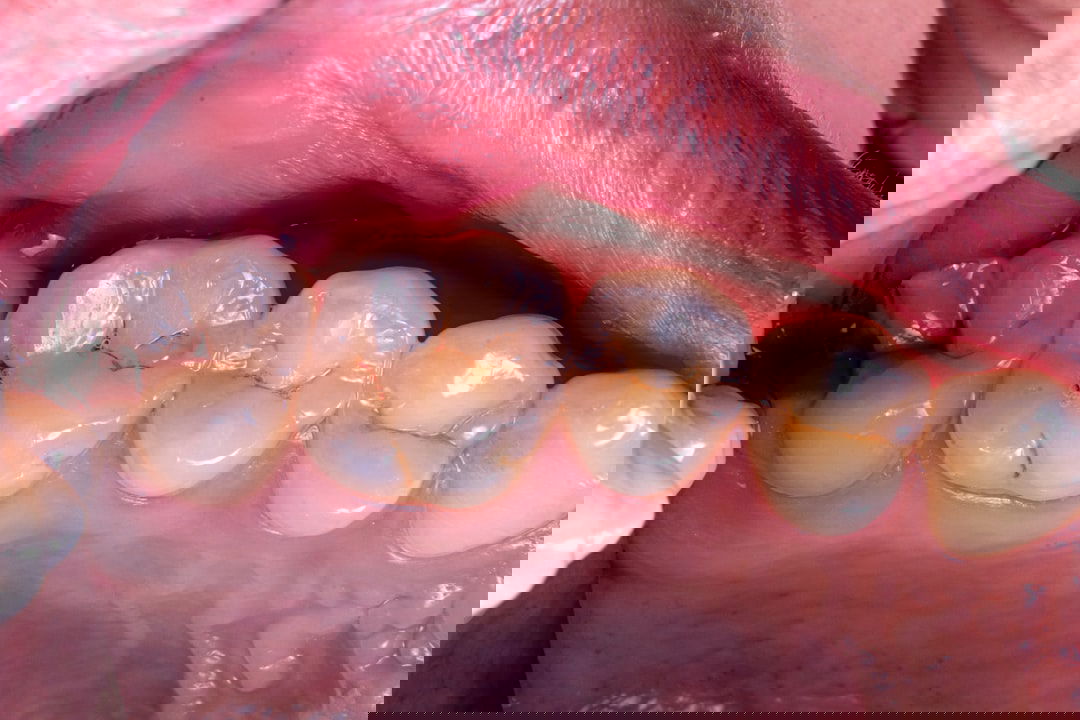
Dental emergencies encompass a range of urgent situations that require immediate attention to alleviate pain, prevent further damage, or address potential complications. These emergencies can arise from various circumstances, including trauma, infection, or underlying dental conditions. The urgency of a dental emergency often hinges on the severity of the symptoms and the potential for long-term consequences if not addressed promptly.
For instance, a toothache that escalates into severe pain may indicate an abscess or infection that could spread if left untreated. Recognizing the signs of a dental emergency is crucial for effective management. Symptoms such as intense pain, swelling, bleeding, or the loss of a tooth can signal that immediate care is necessary.
Understanding the nature of these emergencies can empower individuals to act swiftly and seek appropriate treatment. For example, a fractured tooth may not only cause discomfort but can also lead to infection if the pulp is exposed. Therefore, being aware of what constitutes a dental emergency can help individuals make informed decisions about their oral health.
Key Takeaways
- Dental emergencies can include severe toothaches, knocked-out teeth, and broken dental appliances.
- Common causes of dental pain include tooth decay, gum disease, and dental trauma.
- During a dental emergency, it is important to stay calm and contact a dentist as soon as possible.
- Home remedies for dental pain may include rinsing with salt water, applying a cold compress, and taking over-the-counter pain medication.
- It is important to seek professional help if you experience severe or prolonged dental pain, swelling, or bleeding.
Common Causes of Dental Pain
Tooth Decay and Cavities
One of the most prevalent causes of dental pain is tooth decay, which occurs when bacteria in the mouth produce acids that erode tooth enamel. As decay progresses, it can lead to cavities and eventually reach the pulp of the tooth, resulting in significant pain and sensitivity. This type of pain often manifests as a sharp or throbbing sensation, particularly when consuming hot, cold, or sweet foods.
Inflammation and infection of the gums can lead to discomfort, swelling, and bleeding. As gum disease progresses, it can result in the loss of supporting bone and tissue around the teeth, exacerbating pain and potentially leading to tooth mobility.
Dental Trauma and Urgent Care
Additionally, dental trauma—such as a fracture or dislocation—can cause immediate and intense pain, often requiring urgent care to prevent further complications.
Steps to Take During a Dental Emergency
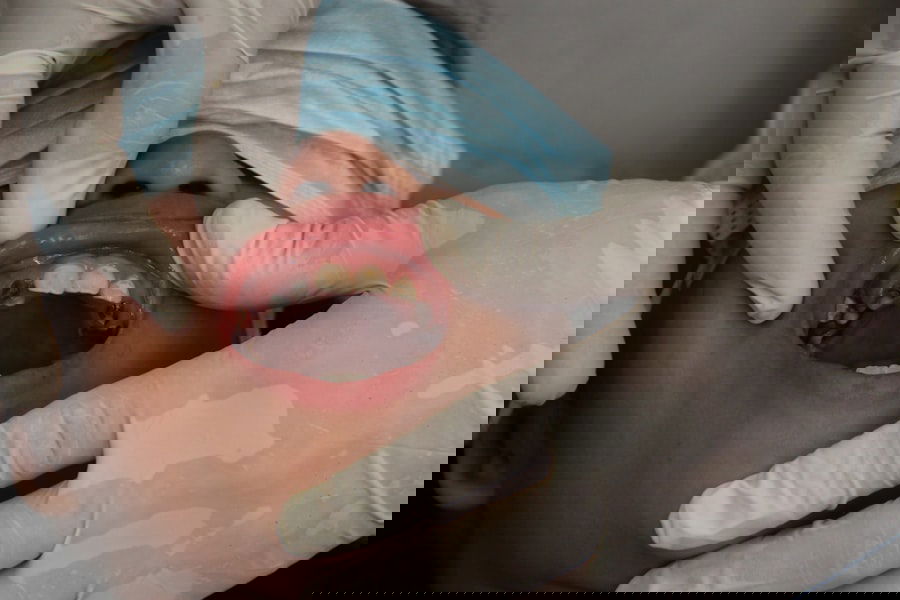
When faced with a dental emergency, the first step is to remain calm and assess the situation. Understanding the nature of the problem can help determine the urgency of the response. For instance, if a tooth has been knocked out, it is essential to handle it carefully by grasping it by the crown rather than the root to avoid damaging delicate tissues.
Rinsing the tooth gently with water and attempting to reinsert it into the socket can be beneficial if done promptly. If reimplantation is not possible, placing the tooth in a container with milk or saline can help preserve it until professional help is available. In cases of severe pain or swelling, over-the-counter pain relievers such as ibuprofen or acetaminophen can provide temporary relief while waiting for an appointment with a dentist.
Additionally, applying a cold compress to the outside of the cheek can help reduce swelling and numb discomfort in cases of trauma or infection.
Home Remedies for Dental Pain
| Remedy | Ingredients | Instructions |
|---|---|---|
| Clove Oil | Clove oil | Apply a few drops to the affected area using a cotton ball |
| Saltwater Rinse | Salt, warm water | Mix 1 teaspoon of salt in a glass of warm water and rinse your mouth |
| Peppermint Tea | Peppermint tea bag, hot water | Steep the tea bag in hot water, allow it to cool, and then apply it to the affected area |
| Garlic | Garlic clove, rock salt | Crush a garlic clove, mix with rock salt, and apply to the affected tooth |
While professional dental care is essential for addressing underlying issues, several home remedies can provide temporary relief from dental pain. One popular method involves using saltwater rinses to reduce inflammation and promote healing. Mixing a teaspoon of salt in warm water and swishing it around the mouth can help cleanse the area and alleviate discomfort caused by minor irritations or infections.
Another effective remedy is clove oil, which has natural analgesic properties due to its active ingredient, eugenol. Applying a small amount of clove oil directly to the affected area using a cotton ball can help numb pain and reduce inflammation. Additionally, garlic has been recognized for its antibacterial properties; crushing a clove and applying it to the painful area may provide relief while combating infection.
When to Seek Professional Help
Determining when to seek professional help during a dental emergency is critical for preventing further complications. If pain persists despite home remedies or over-the-counter medications, it is advisable to consult a dentist as soon as possible. Persistent pain may indicate an underlying issue that requires professional intervention, such as an abscessed tooth or advanced decay.
Other signs that warrant immediate attention include significant swelling in the gums or face, bleeding that does not stop after applying pressure for 10 minutes, or any injury resulting in loose or knocked-out teeth. In these cases, timely intervention can prevent complications such as infections or permanent tooth loss. It is also important to seek help if there are signs of systemic involvement, such as fever or difficulty swallowing, which may indicate a more serious condition requiring urgent care.
How to Handle a Knocked-Out Tooth
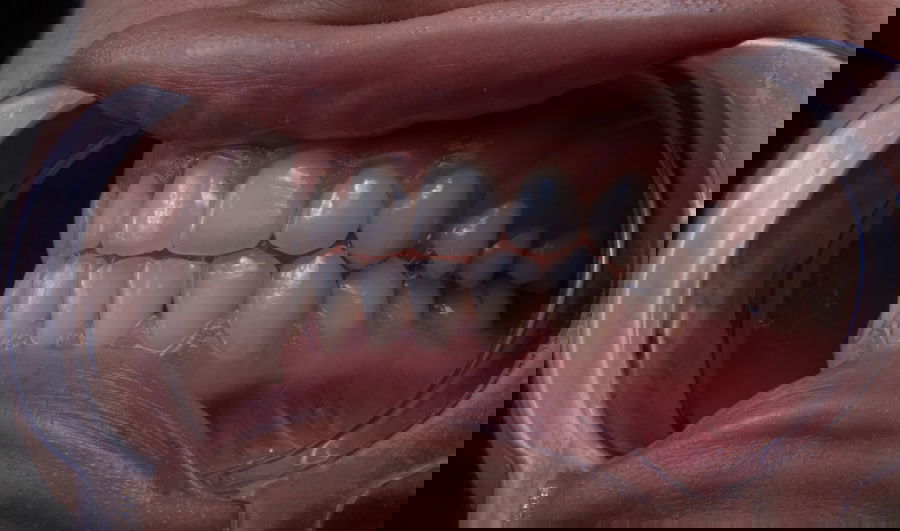
A knocked-out tooth is one of the most alarming dental emergencies and requires prompt action to maximize the chances of successful reimplantation. The first step is to locate the tooth and handle it carefully by holding it by the crown rather than touching the root. Rinsing it gently with water can help remove debris without damaging any attached tissues.
If possible, reinsert the tooth into its socket immediately. This should be done by gently pushing it back into place without forcing it. If reinsertion is not feasible, placing the tooth in a container with milk or saline solution can help preserve its vitality until professional care is obtained.
It is crucial to seek dental assistance within 30 minutes to an hour after the incident for optimal chances of saving the tooth.
Managing Dental Pain Until You Can See a Dentist
While waiting for professional dental care, managing pain effectively is essential for comfort and well-being. Over-the-counter analgesics such as ibuprofen or acetaminophen can provide relief from discomfort and reduce inflammation. It is important to follow dosage instructions carefully and avoid placing aspirin directly on the gums, as this can cause chemical burns.
In addition to medication, applying a cold compress to the affected area can help numb pain and reduce swelling. This method involves wrapping ice in a cloth and applying it externally for 15-20 minutes at a time. Maintaining good oral hygiene during this period is also crucial; gentle brushing and rinsing with saltwater can help keep the area clean and minimize irritation until professional treatment is available.
Preventing Dental Emergencies
Preventing dental emergencies involves proactive measures aimed at maintaining oral health and minimizing risks associated with trauma or decay. Regular dental check-ups are essential for early detection of issues such as cavities or gum disease before they escalate into emergencies. Dentists can provide professional cleanings and assessments that help identify potential problems early on.
Additionally, wearing protective gear during sports activities can significantly reduce the risk of dental injuries. Mouthguards are particularly effective in preventing trauma from impacts that could lead to knocked-out teeth or fractures.
In conclusion, understanding dental emergencies involves recognizing their signs and symptoms while being prepared to take appropriate action when they occur. By being informed about common causes of dental pain and knowing how to manage situations like knocked-out teeth effectively, individuals can navigate these challenges with greater confidence. Ultimately, prioritizing preventive measures through regular dental visits and good oral hygiene practices will contribute significantly to reducing the likelihood of experiencing dental emergencies in the future.
If you are experiencing a dental emergency, it is important to seek immediate care to prevent further damage. One way to protect your teeth and prevent emergencies is by getting fissure sealants. These sealants can help prevent cavities and keep your teeth healthy. To learn more about the benefits of fissure sealants, check out this article. Additionally, maintaining your ClearCorrect aligners is essential for a healthy smile. To find out how to properly care for your aligners, read this article. And if you are looking to transform your smile with orthodontics, explore the options available by visiting this article.
FAQs
What is a dental emergency?
A dental emergency is a situation that requires immediate attention from a dentist to alleviate severe pain, stop bleeding, or save a tooth.
What are common dental emergencies?
Common dental emergencies include severe toothache, knocked-out tooth, broken or chipped tooth, abscess, lost filling or crown, and injury to the soft tissues of the mouth.
What should I do in a dental emergency?
In a dental emergency, it is important to contact a dentist as soon as possible. In the meantime, you can rinse your mouth with warm water, apply a cold compress to reduce swelling, and take over-the-counter pain medication if necessary.
When should I go to the emergency room for a dental problem?
You should go to the emergency room for a dental problem if you are experiencing severe bleeding that cannot be controlled, severe swelling that is affecting your breathing or swallowing, or if you have sustained a head or jaw injury.
How can I prevent dental emergencies?
You can prevent dental emergencies by maintaining good oral hygiene, wearing a mouthguard during sports activities, avoiding chewing on hard objects, and visiting your dentist regularly for check-ups and cleanings.