
Toothaches can arise from a multitude of factors, each contributing to the discomfort that can disrupt daily life. One of the most common causes is dental decay, which occurs when bacteria in the mouth produce acids that erode tooth enamel. This process can lead to cavities, which, if left untreated, can penetrate deeper into the tooth structure, affecting the pulp and causing significant pain.
The sensation of pain often intensifies when consuming hot, cold, or sweet foods, as these stimuli can aggravate the exposed nerves within the tooth. Another prevalent cause of toothaches is gum disease, or periodontal disease, which results from the accumulation of plaque and tartar on the teeth. This condition can lead to inflammation of the gums, known as gingivitis, and if it progresses, it can result in periodontitis, where the supporting structures of the teeth are compromised.
The pain associated with gum disease may not be localized to a single tooth but can manifest as a general discomfort in the gums, often accompanied by swelling and bleeding.
These abscesses can cause throbbing pain and may require immediate medical attention.
Key Takeaways
- Toothaches can be caused by various factors such as tooth decay, gum disease, infection, or injury to the teeth.
- Home remedies for toothache relief include rinsing with warm salt water, applying a cold compress, and using clove oil or garlic.
- Over-the-counter pain relief options such as ibuprofen or acetaminophen can help alleviate toothache pain temporarily.
- Natural and herbal remedies like peppermint tea, turmeric paste, or aloe vera gel can provide relief from dental pain.
- Professional treatment options for toothaches may include dental fillings, root canals, or tooth extraction, depending on the severity of the issue.
Home Remedies for Toothache Relief
For those seeking immediate relief from toothache pain, several home remedies can provide temporary comfort. One popular method involves using saltwater rinses. Dissolving a teaspoon of salt in warm water creates a saline solution that can help reduce inflammation and cleanse the affected area.
Gargling with this solution for about 30 seconds can help alleviate discomfort and may even assist in flushing out food particles lodged between teeth. Another effective home remedy is the application of a cold compress to the outside of the cheek near the painful area. The cold temperature helps numb the pain and reduces swelling by constricting blood vessels.
This method is particularly useful for toothaches caused by trauma or injury. Additionally, clove oil has been traditionally used for its analgesic properties; applying a small amount to a cotton ball and placing it against the affected tooth can provide temporary relief due to its natural numbing effect.
Over-the-Counter Pain Relief Options
When home remedies fall short, over-the-counter (OTC) pain relief options can be an effective alternative for managing toothache discomfort. Nonsteroidal anti-inflammatory drugs (NSAIDs), such as ibuprofen and naproxen, are commonly used to alleviate pain and reduce inflammation associated with dental issues. These medications work by inhibiting enzymes that contribute to inflammation, providing relief from both pain and swelling.
Acetaminophen is another OTC option that can be effective for toothache relief. While it does not possess anti-inflammatory properties like NSAIDs, it is a suitable alternative for individuals who may have contraindications to NSAIDs or prefer a different approach. It is essential to follow dosage instructions carefully and consult with a healthcare professional if there are any concerns regarding interactions with other medications or underlying health conditions.
Natural and Herbal Remedies for Dental Pain
| Treatment | Effectiveness | Side Effects |
|---|---|---|
| Clove Oil | High | May cause irritation if used in excess |
| Peppermint Tea | Mild | Generally safe, but may cause heartburn in some individuals |
| Garlic | Mild | May cause bad breath |
| Saltwater Rinse | Mild | Generally safe, but may cause dry mouth if used excessively |
In addition to conventional treatments, many individuals turn to natural and herbal remedies for dental pain relief. One such remedy is turmeric, which contains curcumin, known for its anti-inflammatory and analgesic properties. Creating a paste by mixing turmeric powder with water and applying it directly to the affected area may help reduce pain and inflammation.
This natural approach not only addresses discomfort but also promotes healing due to turmeric’s antibacterial properties. Another herbal remedy gaining popularity is peppermint oil. This essential oil has a cooling effect that can soothe toothache pain when applied topically.
Diluting a few drops of peppermint oil in a carrier oil and gently massaging it onto the gums can provide relief. Additionally, chamomile tea bags have been used as a natural remedy; steeping a tea bag and allowing it to cool before placing it against the painful area can help reduce inflammation and provide a calming effect.
Professional Treatment Options for Toothaches
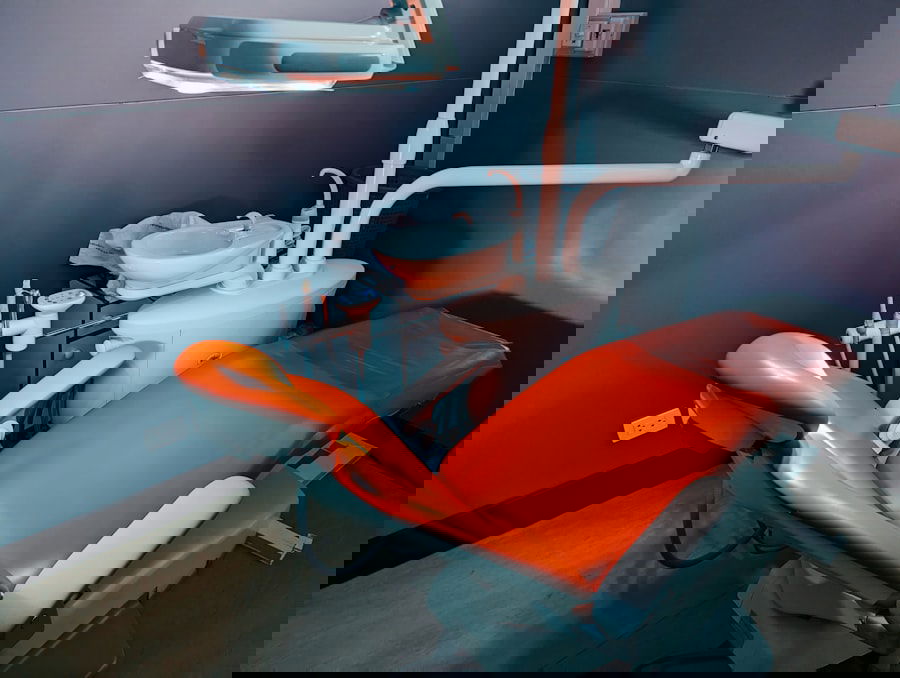
While home remedies and OTC options can provide temporary relief, professional treatment is often necessary for long-term resolution of toothaches. Dentists typically begin by conducting a thorough examination to identify the underlying cause of the pain. This may involve X-rays to assess for cavities, abscesses, or other dental issues that may not be visible during a visual inspection.
For cavities, restorative procedures such as fillings or crowns may be recommended to repair the damaged tooth structure. In cases of severe decay or infection, root canal therapy may be necessary to remove infected pulp tissue and seal the tooth to prevent further complications.
For individuals suffering from gum disease, scaling and root planing may be performed to remove plaque and tartar buildup below the gum line, promoting healing and reducing pain.
Preventative Measures for Toothache Prevention

Good Oral Hygiene Habits
Brushing teeth at least twice a day with fluoride toothpaste helps remove plaque and food particles that contribute to decay. Flossing daily is equally important as it cleans areas between teeth that toothbrushes cannot reach, reducing the risk of cavities and gum disease.
Regular Dental Check-Ups
Regular dental check-ups are crucial for early detection of potential issues before they escalate into painful conditions. Dentists can identify early signs of decay or gum disease during routine examinations and provide professional cleanings that remove tartar buildup.
A Healthy Diet for Good Oral Health
Additionally, dietary choices play a significant role in oral health; limiting sugary snacks and beverages can help reduce the risk of cavities while promoting overall dental well-being.
When to Seek Emergency Dental Care for Toothaches
While many toothaches can be managed with home remedies or OTC medications, certain situations warrant immediate dental attention. If a toothache is accompanied by swelling in the face or neck, fever, or difficulty swallowing or breathing, these symptoms may indicate a serious infection that requires prompt treatment. Similarly, if there is visible trauma to the mouth or teeth following an accident or injury, seeking emergency care is essential to assess potential fractures or dislocations.
Persistent pain that does not respond to over-the-counter medications or worsens over time should also prompt a visit to a dental professional. Ignoring severe or prolonged discomfort can lead to complications such as abscess formation or systemic infections that could have been prevented with timely intervention.
Tips for Maintaining Good Oral Hygiene to Avoid Toothaches
Maintaining good oral hygiene is fundamental in preventing toothaches and ensuring overall dental health. Establishing a consistent routine that includes brushing twice daily with fluoride toothpaste is essential for removing plaque buildup and preventing decay. It is advisable to use a soft-bristled toothbrush and replace it every three months or sooner if bristles become frayed.
Incorporating flossing into daily routines is equally important; using dental floss or interdental brushes helps clean between teeth where food particles and plaque accumulate. Additionally, using an antimicrobial mouthwash can provide an extra layer of protection against bacteria that contribute to gum disease. Regular visits to the dentist for professional cleanings and check-ups are vital components of preventive care.
These appointments allow for early detection of potential issues and provide opportunities for personalized advice on maintaining optimal oral health based on individual needs. By adhering to these practices, individuals can significantly reduce their risk of developing toothaches and enjoy better overall dental health.
If you are looking for tips on preventing tooth decay and maintaining healthy teeth, you may want to check out this article on preventing tooth decay. It provides essential advice on how to keep your teeth strong and healthy to avoid issues like toothaches. Taking care of your oral health is crucial in preventing toothaches and other dental problems.
FAQs
What are the common causes of toothaches?
Toothaches can be caused by various factors such as tooth decay, gum disease, tooth abscess, damaged fillings, teeth grinding, and infection.
What are some home remedies for toothache relief?
Some home remedies for toothache relief include rinsing with warm salt water, applying a cold compress to the outside of the cheek, using over-the-counter pain medication, and applying clove oil to the affected tooth.
When should I see a dentist for a toothache?
It is recommended to see a dentist for a toothache if the pain is severe, lasts for more than a day or two, is accompanied by fever or earache, or if there is swelling in the mouth or face.
What are the professional treatments for toothaches?
Professional treatments for toothaches may include dental fillings, root canal therapy, tooth extraction, or periodontal treatment, depending on the cause of the toothache.
How can I prevent toothaches?
To prevent toothaches, it is important to practice good oral hygiene by brushing and flossing regularly, visiting the dentist for regular check-ups, avoiding sugary and acidic foods, and wearing a mouthguard if you grind your teeth.