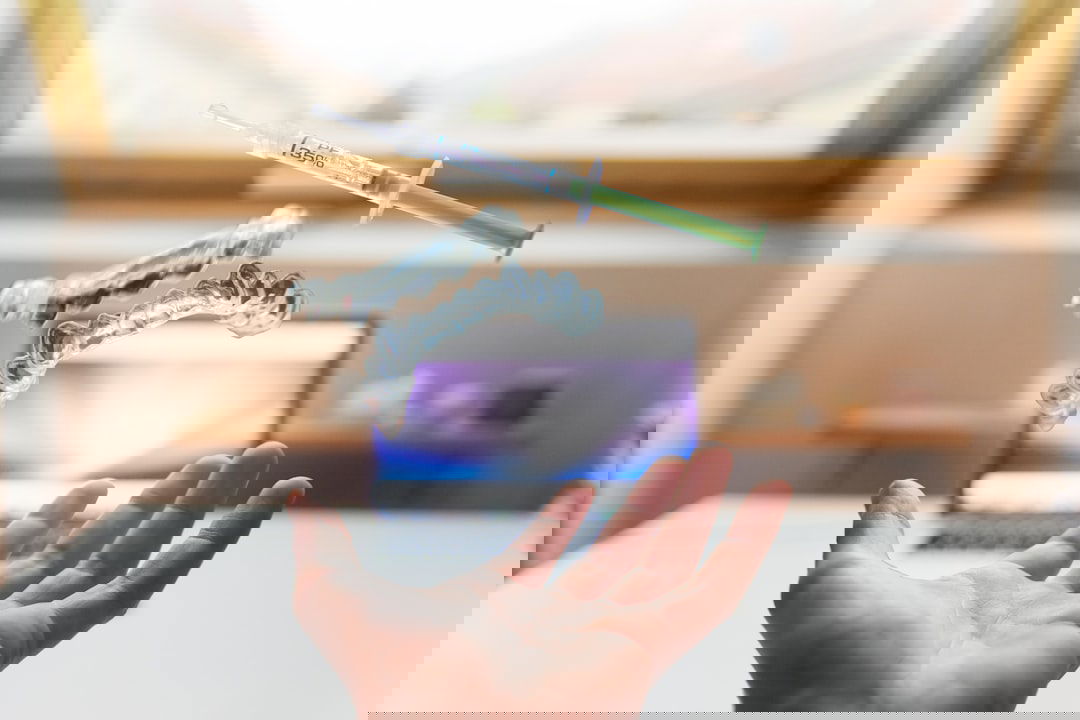
Wisdom teeth, or third molars, typically emerge in late adolescence or early adulthood, usually between the ages of 17 and 25. For many individuals, these teeth can lead to a host of dental issues, making their removal a common procedure. The primary reason for extraction is that wisdom teeth often become impacted, meaning they do not have enough space to emerge properly.
This can lead to pain, infection, and damage to adjacent teeth. In some cases, impacted wisdom teeth can create cysts or tumors, which can further complicate dental health. Moreover, the human jaw has evolved over time, becoming smaller in proportion to the size of our teeth.
This evolutionary change means that many people simply do not have enough room in their mouths for these additional molars. As a result, wisdom teeth can crowd existing teeth, leading to misalignment and other orthodontic issues. By proactively removing these teeth, individuals can prevent future complications and maintain better oral health.
The decision to extract wisdom teeth is often made in consultation with a dentist or oral surgeon, who will evaluate the position of the teeth and the overall dental health of the patient.
Preparing for the Surgical Procedure
Preparing for the Day of Surgery
Patients should discuss their medical history, including any medications they are taking and any allergies they may have, as this information is crucial for ensuring a safe procedure. In the days leading up to the surgery, patients are often advised to avoid certain medications, particularly blood thinners, which can increase the risk of bleeding during and after the procedure. Additionally, patients should arrange for someone to accompany them on the day of surgery, as they may be under anesthesia and unable to drive themselves home afterward.
Recovery Preparation
It is also recommended to stock up on soft foods and ice packs in preparation for recovery. Understanding what to expect during the procedure can help alleviate anxiety and ensure that patients feel more comfortable going into surgery.
Anesthesia Options for Wisdom Teeth Removal
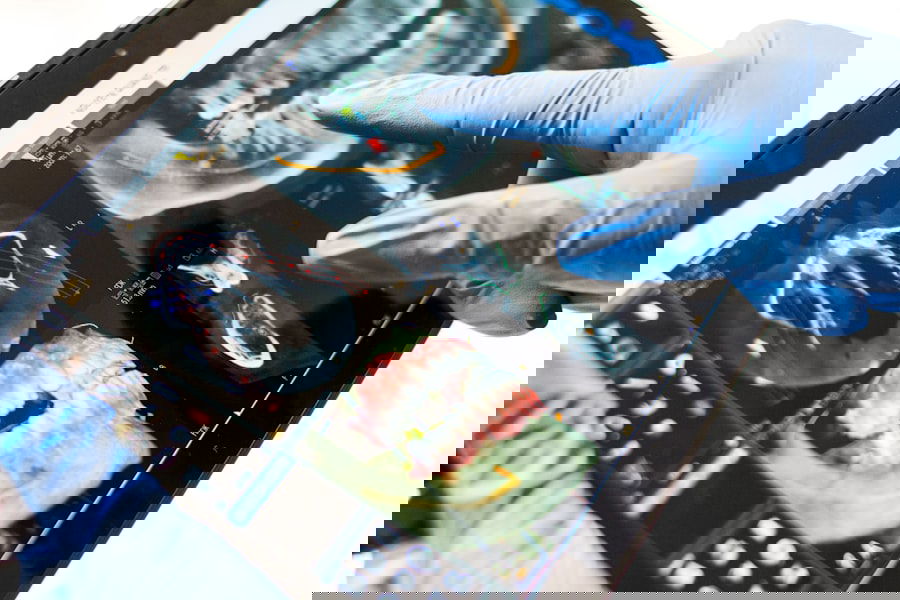
Anesthesia plays a critical role in ensuring that patients remain comfortable and pain-free during wisdom teeth removal. There are several options available, each tailored to meet the needs and preferences of the patient. Local anesthesia is commonly used for less complicated extractions, numbing only the area around the tooth while allowing the patient to remain awake and alert.
This option is often preferred for patients who are anxious about undergoing surgery but want to avoid general anesthesia. For more complex cases, such as those involving impacted wisdom teeth, sedation dentistry may be recommended. This can include intravenous (IV) sedation or nitrous oxide (commonly known as laughing gas).
IV sedation allows for a deeper level of relaxation and can make the experience feel like a blur for the patient, who may not remember much of the procedure afterward. Nitrous oxide is a lighter form of sedation that helps reduce anxiety while still allowing patients to respond to verbal cues from their dentist. The choice of anesthesia will depend on various factors, including the complexity of the extraction and the patient’s comfort level.
The Surgical Process of Wisdom Teeth Removal
The surgical process for wisdom teeth removal typically begins with the administration of anesthesia, ensuring that the patient is comfortable throughout the procedure. Once numbness is achieved, the oral surgeon will make an incision in the gum tissue to expose the tooth and bone if necessary. In cases where the tooth is impacted, it may need to be broken into smaller pieces for easier removal.
This step requires precision and skill, as it is essential to minimize trauma to surrounding tissues. After extracting the tooth or teeth, the surgeon will clean the site thoroughly and may place stitches to promote healing. The entire procedure usually takes about 45 minutes to an hour, depending on how many teeth are being removed and their condition.
Once completed, patients are moved to a recovery area where they are monitored until they are ready to go home. It is important for patients to follow all pre-operative instructions carefully to ensure a smooth surgical experience.
Managing Post-Operative Pain and Discomfort
Post-operative pain management is a crucial aspect of recovery after wisdom teeth removal. Patients can expect some level of discomfort as the anesthesia wears off, but this can be effectively managed with prescribed pain medications or over-the-counter options like ibuprofen or acetaminophen. Ice packs applied to the outside of the cheeks can also help reduce swelling and numb pain in the initial days following surgery.
In addition to medication, patients should be aware of other strategies to manage discomfort. Keeping their head elevated while resting can help minimize swelling, while gentle mouth rinses with warm salt water can promote healing and provide relief from soreness. It’s essential for patients to follow their dentist’s specific recommendations regarding pain management and not exceed recommended dosages of any medication.
Potential Complications and How to Mitigate Them
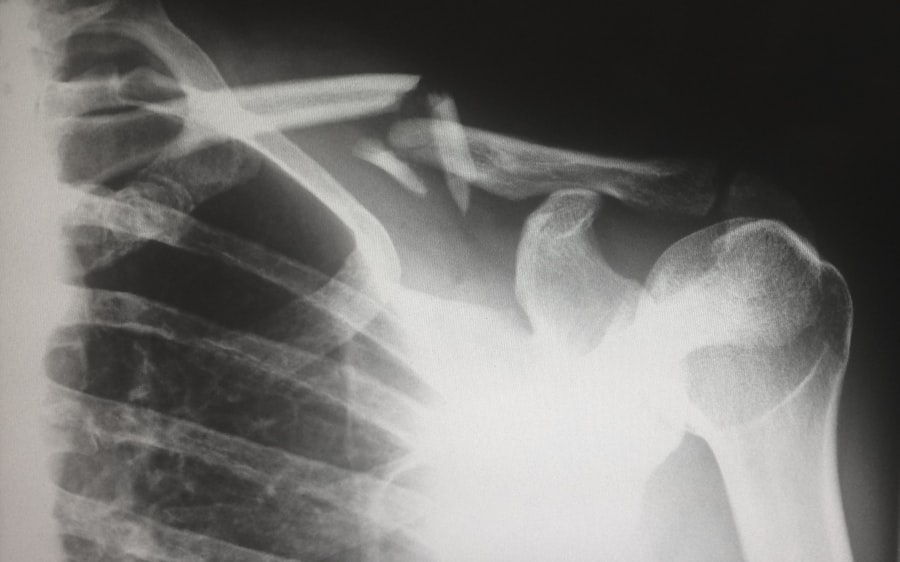
While wisdom teeth removal is generally considered safe, there are potential complications that patients should be aware of. One common issue is dry socket, which occurs when a blood clot at the extraction site becomes dislodged or fails to form properly. This condition can lead to severe pain and delayed healing.
To mitigate this risk, patients should avoid sucking motions (such as using straws) and refrain from smoking during recovery. Infection is another potential complication that can arise after surgery. Signs of infection may include increased swelling, fever, or pus discharge from the extraction site.
To reduce this risk, maintaining good oral hygiene is essential even after surgery; however, patients should be cautious about brushing directly over the extraction site until it has healed sufficiently. Following all post-operative care instructions provided by the oral surgeon can significantly decrease the likelihood of complications.
Recovery and Aftercare Instructions
Recovery from wisdom teeth removal varies from person to person but generally follows a predictable timeline. The first 24 hours are typically marked by swelling and discomfort; however, most patients find that these symptoms begin to improve within a few days. It’s crucial for patients to rest during this time and avoid strenuous activities that could disrupt healing.
Aftercare instructions often include recommendations for managing swelling and pain, such as using ice packs intermittently during the first day or two post-surgery. Patients should also be advised on how to care for their mouths during recovery; gentle rinsing with warm salt water can help keep the area clean without disturbing healing tissues. Regular follow-up appointments may be scheduled to monitor healing progress and address any concerns that arise during recovery.
Dietary Restrictions and Oral Hygiene After Surgery
Dietary restrictions play a significant role in recovery after wisdom teeth removal. In the initial days following surgery, patients are typically advised to stick to soft foods that require minimal chewing. Options such as yogurt, applesauce, mashed potatoes, and smoothies are often recommended as they provide necessary nutrients without irritating the surgical sites.
It’s important for patients to stay hydrated but avoid using straws, as suction can dislodge blood clots. Oral hygiene is equally important during recovery but must be approached with caution. Patients should avoid brushing directly over the extraction sites for several days but can continue brushing their other teeth gently.
After 24 hours, they may begin rinsing their mouths with warm salt water several times a day to help keep the area clean and promote healing. Maintaining good oral hygiene while being mindful of surgical sites is essential for preventing infection and ensuring a smooth recovery.
When to Seek Medical Attention After Wisdom Teeth Removal
While most recoveries from wisdom teeth removal proceed without incident, there are specific signs that warrant immediate medical attention. If a patient experiences severe pain that does not improve with prescribed medications or if they notice excessive bleeding that does not subside after applying pressure for 30 minutes, they should contact their oral surgeon promptly. Additionally, symptoms such as fever or persistent swelling beyond what is expected could indicate an infection or other complications requiring professional evaluation.
Patients should also be vigilant about any unusual changes in their recovery process. If they notice a bad taste in their mouth or foul odor emanating from the extraction site, these could be signs of infection or dry socket that need addressing by a healthcare professional. Being proactive about seeking help when needed can prevent minor issues from escalating into more significant problems.
Long-Term Benefits of Mastering Surgical Wisdom Teeth Removal
Mastering surgical techniques for wisdom teeth removal offers numerous long-term benefits not only for dental professionals but also for patients undergoing this common procedure. For practitioners, developing expertise in this area enhances their ability to provide comprehensive care and address potential complications effectively. As they gain experience, they become more adept at managing various scenarios that may arise during surgery, ultimately leading to improved patient outcomes.
For patients, timely removal of problematic wisdom teeth can lead to better long-term oral health. By preventing issues such as overcrowding or infection associated with impacted teeth, individuals can maintain straighter smiles and reduce their risk of needing more extensive orthodontic treatments later on. Furthermore, understanding the importance of this procedure empowers patients to make informed decisions about their dental health and encourages them to seek timely intervention when necessary.
Frequently Asked Questions About Wisdom Teeth Removal
Many individuals have questions regarding wisdom teeth removal due to its prevalence in dental care discussions. One common question pertains to age; many wonder if there is an ideal time for extraction. While it varies by individual circumstances, dentists often recommend removal in late adolescence or early adulthood when roots are not fully formed and recovery tends to be quicker.
Another frequently asked question involves pain management during recovery; patients often inquire about how long discomfort will last after surgery. While experiences vary widely among individuals, most find that significant pain subsides within three days post-surgery but may continue at a lower level for up to a week or more depending on individual healing processes. Patients also frequently ask about potential impacts on future dental health after wisdom teeth removal; many worry about how it might affect their bite or alignment.
In most cases, removing problematic wisdom teeth leads to improved overall dental health by preventing overcrowding and associated complications rather than causing issues with alignment or bite stability. Understanding these aspects of wisdom teeth removal helps demystify the process for patients and encourages them to engage actively in their dental care journey.