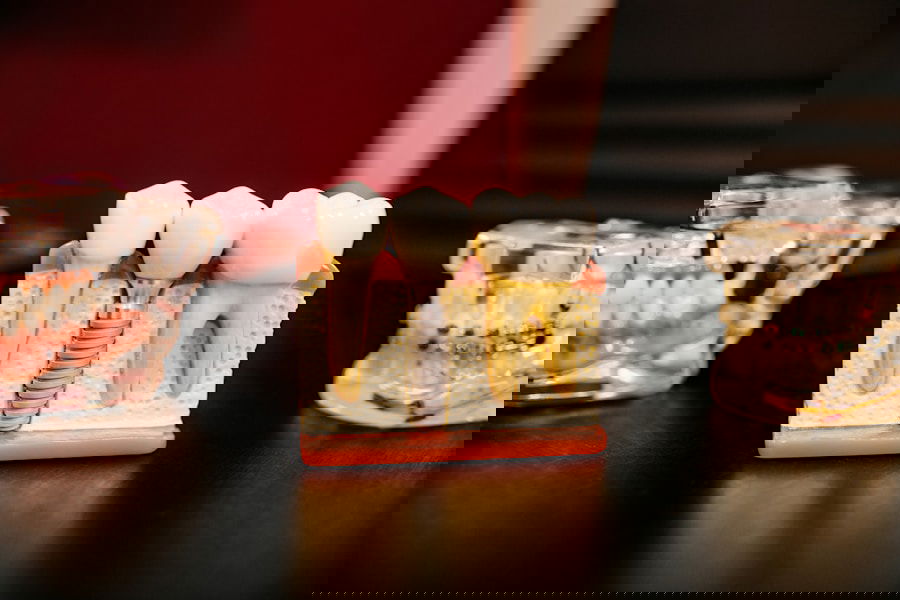
Dental implants are sophisticated dental devices designed to replace missing teeth, providing a permanent solution that mimics the function and appearance of natural teeth. They consist of three primary components: the implant itself, which is a titanium post surgically inserted into the jawbone; an abutment, which connects the implant to the prosthetic tooth; and the crown, which is the visible part of the tooth that sits above the gum line. The titanium post integrates with the jawbone through a process called osseointegration, creating a stable foundation for the replacement tooth.
This integration is crucial as it ensures that the implant can withstand the forces of chewing and biting, much like a natural tooth. The concept of dental implants dates back thousands of years, with evidence of ancient civilizations attempting to replace lost teeth using various materials. However, modern dental implants, as we know them today, were developed in the mid-20th century, with significant advancements in materials and techniques over the years.
The use of biocompatible materials like titanium has revolutionized dental implantology, allowing for high success rates and improved patient outcomes. Today, dental implants are considered one of the most effective solutions for tooth loss, offering not only functional benefits but also aesthetic improvements that can enhance a person’s smile and overall confidence.
Key Takeaways
- Dental implants are artificial tooth roots that are surgically placed into the jawbone to support a replacement tooth or bridge.
- The benefits of dental implant surgery include improved appearance, speech, comfort, and oral health, as well as durability and convenience.
- There are different types of dental implant procedures, including endosteal implants, subperiosteal implants, and mini implants, each with its own advantages and considerations.
- Good candidates for dental implant surgery are individuals with good oral and overall health, adequate bone density in the jaw, and a commitment to maintaining proper oral hygiene.
- The dental implant surgery process involves a thorough evaluation, implant placement, healing period, and attachment of the replacement tooth or bridge.
The benefits of dental implant surgery
Restoring Functionality and Nutrition
Unlike dentures or bridges, dental implants provide a stable and secure solution, allowing patients to eat their favorite foods without fear of their prosthetic teeth slipping or causing discomfort. This restoration of chewing ability can lead to improved nutrition and overall health, as individuals are more likely to consume a balanced diet when they can eat comfortably.
Aesthetic Improvements and Boosted Confidence
Dental implants also offer substantial aesthetic improvements. The crowns placed on implants are custom-made to match the color, shape, and size of existing teeth, ensuring a seamless blend with the natural smile. This aesthetic enhancement can significantly boost self-esteem and confidence, allowing individuals to smile freely without feeling self-conscious about gaps in their teeth.
Preserving Jawbone Structure and Oral Health
Furthermore, dental implants help maintain the structure of the jawbone by preventing bone loss that typically occurs after tooth loss. This preservation of bone density not only supports facial aesthetics but also contributes to long-term oral health.
The different types of dental implant procedures
Dental implant procedures can be categorized into several types based on the specific needs of the patient and the extent of tooth loss. The most common type is the endosteal implant, which involves placing a titanium post directly into the jawbone. This type is suitable for patients with sufficient bone density and is often used for single-tooth replacements or multiple adjacent teeth.
Endosteal implants are favored for their stability and longevity, making them a popular choice among dental professionals. Another type is the subperiosteal implant, which is placed under the gum but above the jawbone. Subperiosteal implants are less common today due to advancements in bone grafting techniques that allow for better outcomes with endosteal implants.
Additionally, there are also zygomatic implants, which are anchored in the cheekbone rather than the jawbone. These are used in cases where significant bone loss has occurred in the upper jaw, providing an alternative for patients who may not be candidates for traditional implants.
Who is a good candidate for dental implant surgery?
| Criteria | Description |
|---|---|
| Good Bone Density | Patients with sufficient bone density in the jaw are good candidates for dental implant surgery. |
| Healthy Gums | Individuals with healthy gums are more likely to have successful dental implant surgery. |
| Non-Smokers | Non-smokers have a higher success rate with dental implants due to better healing and reduced risk of complications. |
| Good Oral Hygiene | Patients who maintain good oral hygiene are better candidates for dental implant surgery. |
| Overall Health | Individuals in good overall health are more likely to have successful outcomes with dental implant surgery. |
Determining candidacy for dental implant surgery involves evaluating several factors, including overall health, oral health, and specific dental needs. Generally, good candidates are individuals who have lost one or more teeth due to injury, decay, or periodontal disease and are seeking a permanent solution. A thorough examination by a dental professional is essential to assess bone density and gum health, as these factors play a critical role in the success of the procedure.
Patients with chronic health conditions such as diabetes or heart disease may still be candidates for dental implants but require careful management of their conditions before and after surgery. Additionally, individuals who smoke or use tobacco products may face increased risks during the healing process due to impaired blood flow and reduced healing capacity. In such cases, dentists often recommend smoking cessation programs prior to undergoing surgery to enhance outcomes.
Ultimately, a comprehensive evaluation by a qualified dentist or oral surgeon will determine whether a patient is suitable for dental implant surgery.
The dental implant surgery process
The dental implant surgery process typically unfolds in several stages, beginning with an initial consultation where the dentist assesses the patient’s oral health and discusses treatment options. This may involve imaging studies such as X-rays or 3D scans to evaluate bone structure and determine the optimal placement of the implant. Once a treatment plan is established, patients may undergo preparatory procedures if necessary, such as bone grafting or sinus lifts to ensure adequate bone density.
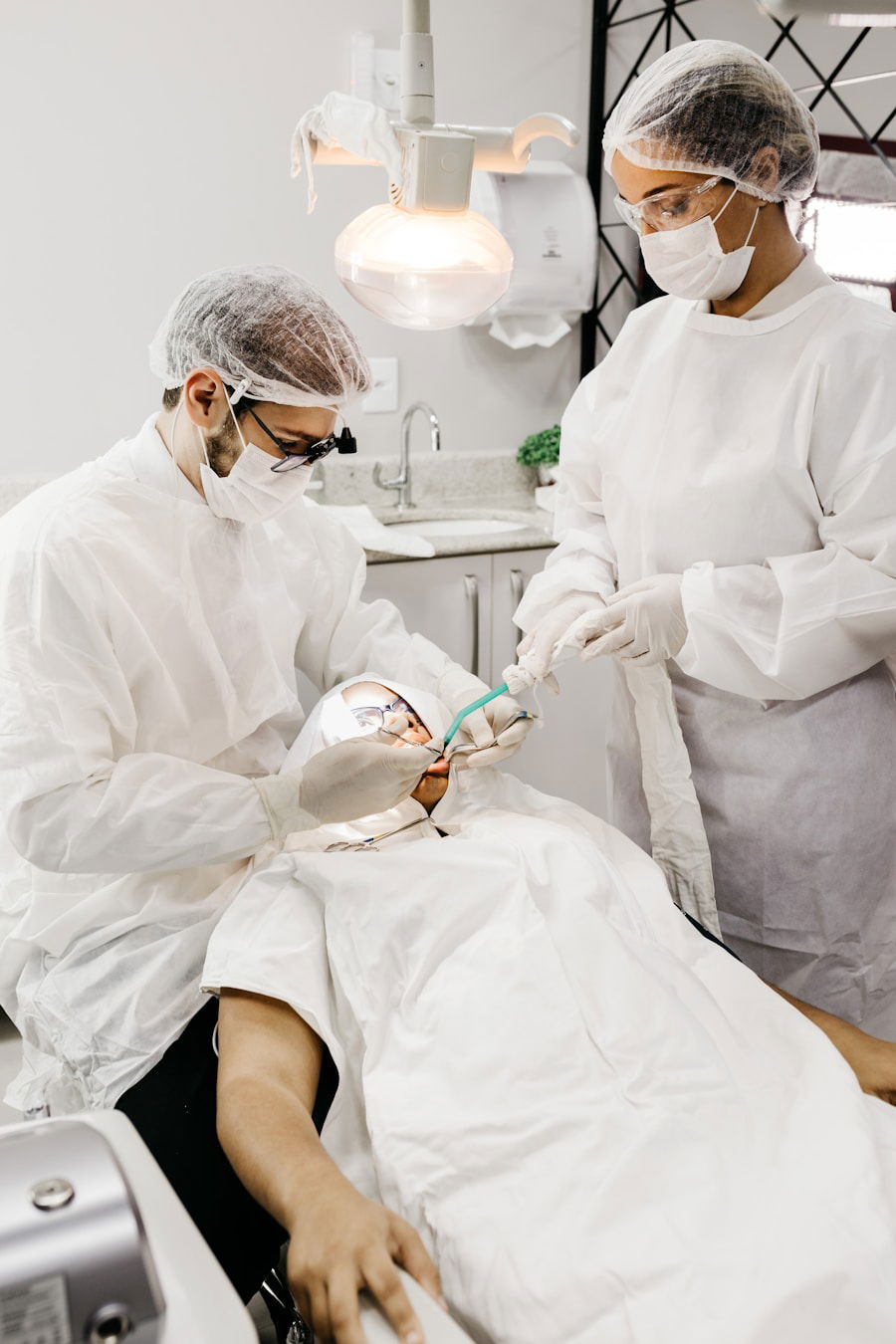
The actual surgical procedure usually takes place under local anesthesia or sedation to ensure patient comfort. During surgery, an incision is made in the gum tissue to expose the jawbone, where the titanium post is carefully inserted. After placement, the gum tissue is sutured closed around the implant site.
Following this initial surgery, a healing period of several months is required for osseointegration to occur—this is when the bone fuses with the implant post. Once healing is complete, a second procedure may be necessary to attach the abutment before finally placing the custom-made crown on top.
Recovery and aftercare for dental implant surgery

Managing Discomfort and Swelling
Dentists usually prescribe pain medication and recommend the use of ice packs to manage swelling effectively. Patients are advised to stick to a soft food diet during the initial healing phase to avoid putting undue pressure on the surgical site.
Maintaining Good Oral Hygiene
Maintaining good oral hygiene is crucial during recovery; however, patients should be cautious around the implant site to prevent irritation. Follow-up appointments are essential for monitoring healing progress and ensuring that osseointegration is occurring as expected. During these visits, dentists may take X-rays to assess bone growth around the implant.
Monitoring for Complications
Patients should also be vigilant about any signs of complications such as prolonged pain or infection and report these issues promptly to their dentist. Adhering to aftercare instructions significantly contributes to successful recovery and long-term success of the dental implants.
Potential risks and complications of dental implant surgery
While dental implant surgery boasts high success rates, it is not without potential risks and complications. One common concern is infection at the implant site, which can occur if bacteria enter during or after surgery. Proper sterilization techniques during surgery and diligent aftercare can mitigate this risk significantly.
Additionally, some patients may experience nerve damage during placement, leading to numbness or tingling in nearby areas such as the lips or chin; this complication is rare but can occur if proper surgical techniques are not followed. Another potential issue is implant failure due to insufficient osseointegration or excessive stress on the implant from biting forces. Factors such as poor bone quality or quantity can contribute to this risk; therefore, thorough pre-surgical assessments are critical in identifying candidates who may be at higher risk for failure.
In some cases, patients may require additional procedures such as bone grafting before they can successfully receive implants.
The long-term outlook for dental implant surgery
The long-term outlook for dental implant surgery is generally very positive, with studies indicating success rates exceeding 95% over ten years for well-maintained implants. Factors contributing to this longevity include advancements in surgical techniques, materials used in implants, and improved understanding of osseointegration processes. Patients who maintain good oral hygiene practices and attend regular dental check-ups tend to experience even better outcomes.
Moreover, dental implants can last a lifetime with proper care, making them a cost-effective solution compared to other tooth replacement options that may require frequent replacements or adjustments over time. As technology continues to evolve in dentistry—such as digital imaging and 3D printing—the future of dental implants looks promising with even more personalized treatment options on the horizon. Overall, individuals considering dental implants can feel confident in their decision as they embark on a journey toward restored function and enhanced quality of life through improved oral health.
If you are considering dental implant surgery, you may also be interested in learning about the benefits of braces for perfecting your smile. Braces can help align your teeth and improve your overall oral health. To maintain the success of your orthodontic treatment, it is important to follow certain tips and guidelines. For more information on dental health and procedures, you can visit this article by Ronald on the White Pearl Dental Care website.
FAQs
What is dental implant surgery?
Dental implant surgery is a procedure to replace a missing tooth with an artificial tooth root and crown. It involves surgically placing the implant into the jawbone, allowing it to fuse with the bone over time.
Who is a candidate for dental implant surgery?
Candidates for dental implant surgery should have good oral and overall health, adequate jawbone density, and healthy gums. They should also be committed to maintaining good oral hygiene after the procedure.
What are the benefits of dental implant surgery?
Dental implant surgery provides a natural-looking and long-lasting solution for missing teeth. It can improve oral function, restore confidence in one’s smile, and prevent bone loss in the jaw.
What is the success rate of dental implant surgery?
The success rate of dental implant surgery is high, with an average success rate of 95% or higher. Proper patient selection, surgical technique, and post-operative care are important factors in achieving successful outcomes.
What is the recovery process like after dental implant surgery?
The recovery process after dental implant surgery may involve some discomfort, swelling, and minor bleeding. Patients are typically advised to follow a soft diet and practice good oral hygiene. Full recovery and integration of the implant with the jawbone can take several months.
What are the potential risks and complications of dental implant surgery?
Potential risks and complications of dental implant surgery may include infection, nerve damage, implant failure, and sinus issues for implants placed in the upper jaw. It is important for patients to discuss these risks with their dental implant surgeon before undergoing the procedure.