Restorative dentistry is a specialized branch of dentistry focused on diagnosing and treating dental issues that affect the structure and function of teeth. This field encompasses a wide range of procedures aimed at restoring the natural appearance and functionality of teeth that have been damaged due to decay, trauma, or other dental conditions. The primary goal of restorative dentistry is not only to repair teeth but also to enhance the overall oral health of patients, ensuring that they can maintain proper chewing function and aesthetic appeal.
The scope of restorative dentistry includes various techniques and materials designed to restore teeth to their original state or as close to it as possible. This can involve the use of fillings, crowns, bridges, dentures, and implants. Each of these methods serves a specific purpose, addressing different types of dental damage or loss.
For instance, fillings are typically used for cavities, while crowns may be necessary for teeth that have undergone significant wear or fracture. The advancements in materials and technology have allowed restorative dentistry to evolve, providing patients with durable and aesthetically pleasing solutions.
Key Takeaways
- Restorative dentistry focuses on repairing and restoring the function and appearance of teeth that have been damaged or lost due to decay, injury, or other factors.
- Common restorative dental procedures include fillings, crowns, bridges, implants, and dentures, all of which aim to restore the natural look and function of the teeth.
- The benefits of restorative dentistry include improved oral health, enhanced appearance, and restored confidence in one’s smile and ability to eat and speak comfortably.
- Anyone with damaged, decayed, or missing teeth can benefit from restorative dentistry, regardless of age or the extent of the damage.
- When choosing a restorative dentist, it’s important to consider their experience, qualifications, and the technology and techniques they use to ensure the best possible outcome for your dental work.
Common Restorative Dental Procedures
Among the most common restorative dental procedures is dental filling, which is employed to treat cavities caused by tooth decay. During this procedure, the dentist removes the decayed portion of the tooth and fills it with a material such as composite resin, amalgam, or glass ionomer. Each material has its own advantages; for example, composite resin can be color-matched to the natural tooth, making it a popular choice for visible areas.
The filling process is relatively straightforward and can often be completed in a single visit. Another prevalent procedure is the dental crown, which is used to cover a damaged tooth and restore its shape, size, and strength. Crowns are particularly beneficial for teeth that have undergone root canal treatment or those that are severely worn down or cracked.
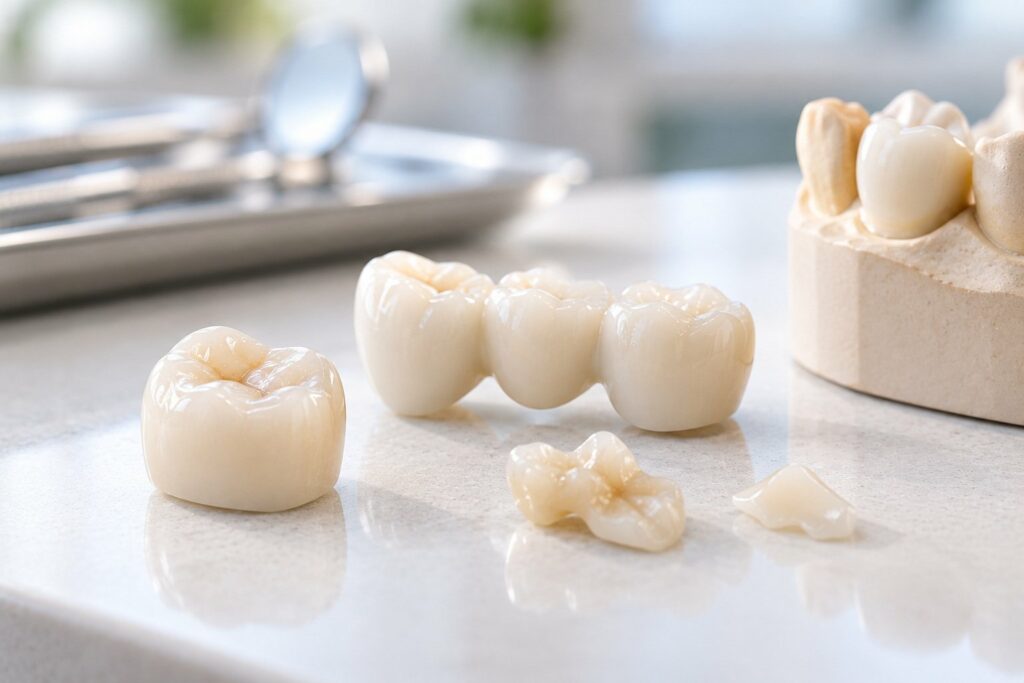
The process typically involves taking impressions of the tooth to create a custom crown that fits perfectly. Crowns can be made from various materials, including porcelain, metal, or a combination of both, allowing for both durability and aesthetic appeal. Bridges are another essential component of restorative dentistry.
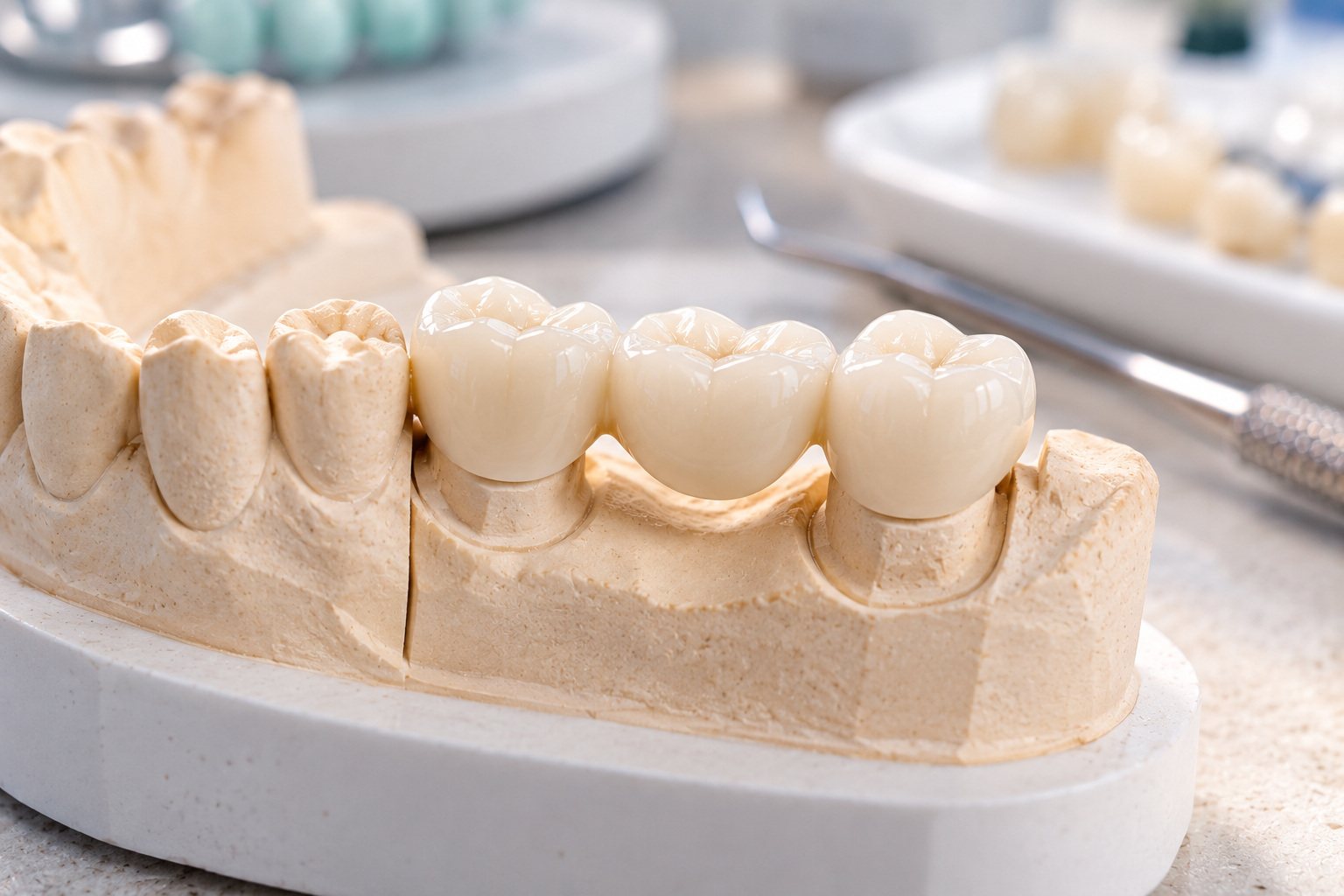
They are used to replace one or more missing teeth by anchoring artificial teeth to adjacent natural teeth. This not only restores the appearance of a full smile but also helps maintain proper alignment and function within the mouth. The process involves preparing the adjacent teeth for crowns that will support the bridge, ensuring stability and longevity.
Dentures are often recommended for patients who have lost multiple teeth or all their teeth due to age or dental disease. These removable appliances can be complete or partial, depending on the number of missing teeth. Modern dentures are designed to fit comfortably and look natural, allowing patients to regain their ability to chew and speak effectively.
Dental implants represent one of the most advanced restorative options available today. An implant consists of a titanium post surgically placed into the jawbone, serving as a replacement root for a missing tooth. Once integrated with the bone, a crown is placed on top of the implant, providing a permanent solution that mimics the function and appearance of natural teeth.
Implants offer numerous benefits, including improved oral health and enhanced self-esteem.
Benefits of Restorative Dentistry

The benefits of restorative dentistry extend beyond mere aesthetics; they encompass significant improvements in oral health and overall quality of life. One of the primary advantages is the restoration of functionality. Patients who have experienced tooth loss or damage often face challenges in chewing and speaking.
Restorative procedures enable individuals to regain their ability to eat a varied diet without discomfort or difficulty, which is crucial for maintaining proper nutrition. Moreover, restorative dentistry plays a vital role in preventing further dental issues. For instance, untreated cavities can lead to more severe problems such as infections or abscesses, which may require more invasive treatments like root canals or extractions.
By addressing dental issues promptly through restorative procedures, patients can avoid these complications and maintain better oral health over time. Another significant benefit is the enhancement of self-confidence. Many individuals feel self-conscious about their smiles due to missing or damaged teeth.
Restorative dentistry can dramatically improve the appearance of one’s smile, leading to increased self-esteem and a more positive self-image. This psychological boost can have far-reaching effects on personal and professional relationships. Restorative dentistry also contributes to long-term oral health by preserving the structure of the jawbone.
When teeth are lost, the underlying bone can begin to deteriorate due to lack of stimulation. Dental implants, in particular, help maintain bone density by providing the necessary stimulation that natural tooth roots would normally provide. This preservation of bone structure is essential for maintaining facial aesthetics and preventing further dental complications.
Who Can Benefit from Restorative Dentistry?
| Beneficiary | Reason |
|---|---|
| Patients with missing teeth | Restorative dentistry can provide dental implants or bridges to replace missing teeth, improving oral function and aesthetics. |
| Patients with damaged teeth | Restorative dentistry can repair damaged teeth with procedures such as dental crowns or fillings, restoring their strength and appearance. |
| Patients with misaligned teeth | Restorative dentistry can offer orthodontic treatments to correct misaligned teeth, improving bite function and smile aesthetics. |
| Patients with discolored teeth | Restorative dentistry can provide teeth whitening or veneers to enhance the color and appearance of discolored teeth. |
Restorative dentistry is beneficial for a wide range of individuals, regardless of age or dental history. Children who experience cavities or dental trauma can greatly benefit from restorative procedures such as fillings or crowns. Early intervention not only addresses immediate concerns but also sets the foundation for lifelong oral health habits.
Adults often seek restorative dentistry due to various factors such as wear and tear from years of use, dietary choices that lead to decay, or accidents resulting in tooth loss. For these individuals, restorative options like crowns, bridges, and implants can restore both function and aesthetics. Additionally, older adults may find themselves in need of restorative work due to age-related issues such as gum disease or tooth loss.
Individuals with specific medical conditions that affect oral health may also benefit from restorative dentistry. For example, patients undergoing cancer treatment may experience dry mouth or other side effects that increase their risk for cavities and other dental issues. Restorative procedures can help mitigate these risks and improve their overall quality of life during treatment.
Furthermore, those who have experienced significant dental neglect may find themselves in need of comprehensive restorative care. This could include multiple procedures aimed at addressing various issues simultaneously. A thorough evaluation by a restorative dentist can help create a tailored treatment plan that addresses all concerns effectively.
Choosing the Right Restorative Dentist
Selecting the right restorative dentist is crucial for achieving optimal results in any dental procedure. Patients should consider several factors when making this decision. First and foremost, it is essential to look for a dentist with specialized training in restorative dentistry.
This expertise ensures that they are well-versed in the latest techniques and materials used in restorative procedures. Additionally, reviewing patient testimonials and before-and-after photos can provide insight into the dentist’s skill level and the quality of their work. A reputable dentist will often showcase their success stories on their website or social media platforms, allowing potential patients to gauge their capabilities.
Another important consideration is the technology and materials used in the practice. Modern restorative dentistry relies heavily on advanced technology such as digital imaging and CAD/CAM systems for creating precise restorations. A dentist who invests in state-of-the-art equipment demonstrates a commitment to providing high-quality care.
Communication is also key when choosing a restorative dentist. Patients should feel comfortable discussing their concerns and asking questions about proposed treatments.
Finally, logistical factors such as location, office hours, and insurance acceptance should also be taken into account when selecting a restorative dentist. Finding a practice that aligns with one’s schedule and financial considerations can make the entire process smoother and more convenient.
The Process of Restorative Dental Work

The process of restorative dental work typically begins with an initial consultation where the dentist conducts a comprehensive examination of the patient’s oral health. This may involve X-rays or other diagnostic tools to assess the extent of any damage or decay present in the teeth. Based on this evaluation, the dentist will discuss potential treatment options tailored to meet the patient’s specific needs.
Once a treatment plan is established, subsequent appointments will be scheduled for the actual restorative procedures. For instance, if fillings are required, the dentist will prepare the affected tooth by removing decayed material before placing the filling material. In cases where crowns or bridges are needed, impressions will be taken to create custom restorations that fit seamlessly with existing teeth.
For more complex procedures like dental implants, additional steps are involved. After placing the titanium post into the jawbone during surgery, patients will undergo a healing period known as osseointegration, where the bone fuses with the implant. Once healing is complete, an abutment is attached to connect the crown to the implant.
Throughout this process, effective communication between patient and dentist is vital. Patients should feel empowered to ask questions about each step and express any concerns they may have regarding pain management or recovery times.
Maintaining Restored Dental Work
Maintaining restored dental work is essential for ensuring its longevity and effectiveness over time. Good oral hygiene practices play a critical role in preserving both natural teeth and restorations alike. Patients should adhere to a routine that includes brushing twice daily with fluoride toothpaste and flossing regularly to remove plaque buildup around restorations.
Regular dental check-ups are equally important for monitoring restored work and addressing any potential issues before they escalate into more significant problems. During these visits, dentists can assess the condition of fillings, crowns, bridges, or implants and provide professional cleanings that help maintain optimal oral health. In addition to routine care at home and regular visits to the dentist, patients should also be mindful of their dietary choices.
Avoiding excessive consumption of sugary foods and beverages can significantly reduce the risk of decay around restorations. Furthermore, individuals who grind their teeth may benefit from wearing a nightguard to protect their restorations from undue wear. Education about potential risks associated with certain habits—such as using teeth as tools or biting down on hard objects—can also help preserve restored dental work over time.
Cost of Restorative Dentistry
The cost of restorative dentistry can vary widely based on several factors including the type of procedure being performed, geographic location, and individual insurance coverage. Basic procedures like fillings tend to be more affordable compared to complex treatments such as dental implants or full-mouth restorations. Insurance plans often cover a portion of restorative procedures; however, coverage levels can differ significantly between plans.
It’s advisable for patients to consult with their insurance provider beforehand to understand what costs will be covered and what out-of-pocket expenses they may incur. For those without insurance or facing high out-of-pocket costs, many dental practices offer financing options or payment plans that allow patients to manage expenses over time without compromising their oral health needs. Ultimately, while cost considerations are important when seeking restorative dental care, it’s essential not to compromise on quality for affordability alone.
Investing in high-quality restorative work can lead to long-term benefits in terms of both functionality and aesthetics—making it a worthwhile consideration for anyone facing dental challenges.
Restorative dentistry is a crucial aspect of dental care that focuses on repairing and restoring damaged teeth to their natural state. At White Pearl Dental Care, they offer a range of restorative treatments to help patients achieve a healthy and beautiful smile. One related article on their website discusses the importance of regular dental check-ups and cleanings in maintaining oral health. To learn more about their restorative dentistry services, visit White Pearl Dental Care.
FAQs
What is restorative dentistry?
Restorative dentistry is a branch of dentistry that focuses on repairing and restoring the function and appearance of damaged or missing teeth. It includes procedures such as fillings, crowns, bridges, implants, and dentures.
What are the common procedures in restorative dentistry?
Common procedures in restorative dentistry include dental fillings for cavities, dental crowns to cover and protect damaged teeth, dental bridges to replace missing teeth, dental implants to replace missing teeth, and dentures to replace multiple missing teeth.
Who can benefit from restorative dentistry?
Anyone with damaged, decayed, or missing teeth can benefit from restorative dentistry. It can help improve the function and appearance of the teeth, as well as overall oral health.
What are the benefits of restorative dentistry?
The benefits of restorative dentistry include improved oral health, restored function of the teeth for chewing and speaking, enhanced appearance of the smile, and increased self-confidence.
Is restorative dentistry covered by dental insurance?
Many dental insurance plans cover restorative dentistry procedures, but coverage can vary depending on the specific plan and the type of procedure. It’s important to check with your insurance provider to understand your coverage.
How long do restorative dentistry procedures last?
The longevity of restorative dentistry procedures can vary depending on the type of procedure, the materials used, and how well the patient maintains oral hygiene. With proper care, many restorative procedures can last for many years.