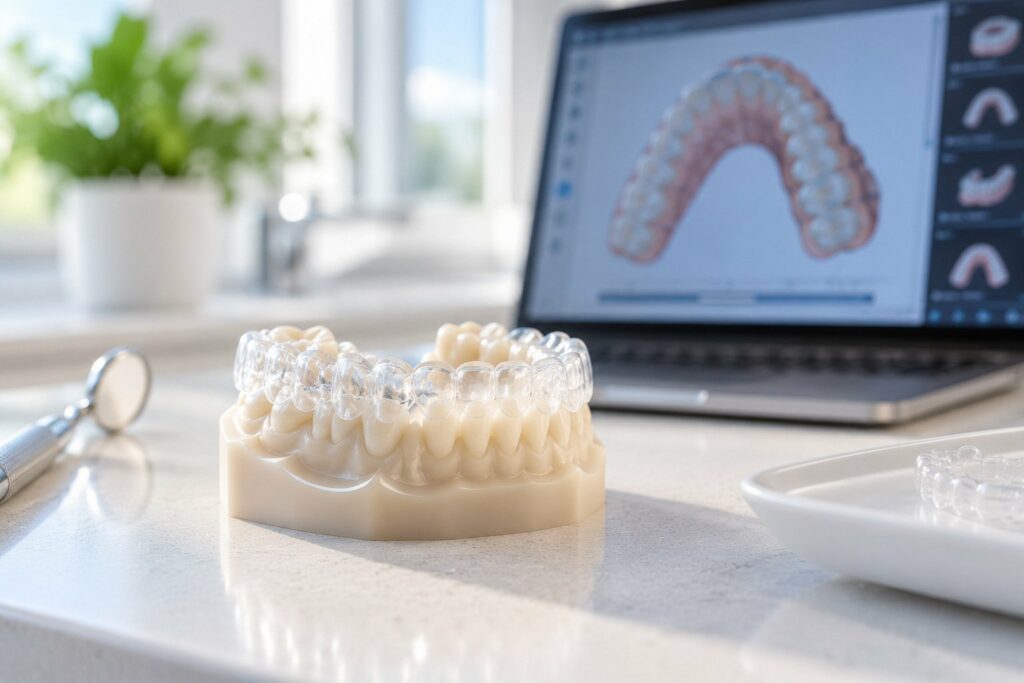
ClearCorrect is an innovative orthodontic treatment that utilizes a series of custom-made, clear aligners to gradually shift teeth into their desired positions. The process begins with a comprehensive dental examination, where the orthodontist assesses the patient’s dental health and alignment issues. Using advanced imaging technology, such as 3D scanning, the orthodontist creates a digital model of the patient’s teeth.
This model serves as the foundation for designing a personalized treatment plan, which outlines the specific movements required to achieve the desired smile. Once the treatment plan is established, a series of aligners are fabricated from a durable, transparent plastic material. Each aligner is designed to be worn for about two weeks before being replaced with the next in the series.
The aligners apply gentle pressure on the teeth, gradually moving them into alignment. Patients are encouraged to wear their aligners for 20 to 22 hours a day to ensure optimal results. Regular check-ups with the orthodontist are scheduled to monitor progress and make any necessary adjustments to the treatment plan.
Key Takeaways
- ClearCorrect uses a series of clear, custom-made aligners to gradually straighten teeth without the use of traditional braces.
- The benefits of ClearCorrect treatment include improved oral health, increased confidence, and a more comfortable and convenient orthodontic experience.
- Before starting ClearCorrect, patients undergo an initial assessment and planning process to determine if they are good candidates for treatment.
- The ClearCorrect treatment process involves wearing a series of aligners, which are replaced approximately every two weeks to gradually shift the teeth into the desired position.
- Real patient stories showcase the transformative results of ClearCorrect treatment, highlighting the before and after effects of the orthodontic solution.
The Benefits of ClearCorrect Treatment
One of the most significant advantages of ClearCorrect treatment is its aesthetic appeal. Unlike traditional metal braces, which can be bulky and noticeable, ClearCorrect aligners are virtually invisible. This feature makes them particularly appealing to adults and teens who may feel self-conscious about their appearance during orthodontic treatment.
The clear aligners allow patients to maintain their confidence while undergoing a transformative process. In addition to their aesthetic benefits, ClearCorrect aligners offer a level of comfort that traditional braces often lack. The smooth plastic material is less likely to irritate the gums and cheeks compared to metal brackets and wires.
Furthermore, ClearCorrect aligners are removable, allowing patients to enjoy their favorite foods without restrictions and maintain optimal oral hygiene by brushing and flossing without obstruction. This flexibility contributes to a more pleasant overall experience during treatment.
Before Starting ClearCorrect: Initial Assessment and Planning

Before embarking on a ClearCorrect journey, patients undergo an initial assessment that is crucial for determining their suitability for the treatment. During this assessment, the orthodontist evaluates the patient’s dental history, conducts a thorough examination of the teeth and gums, and may take X-rays or photographs to gain a comprehensive understanding of the patient’s oral health. This information is essential for identifying any underlying issues that may need to be addressed before starting treatment. Once the assessment is complete, the orthodontist collaborates with the patient to develop a tailored treatment plan. This plan outlines the specific goals of the treatment, including desired tooth movements and estimated timelines. Patients are encouraged to ask questions and express any concerns they may have during this planning phase, ensuring that they feel informed and comfortable with the process ahead. This collaborative approach fosters a sense of partnership between the patient and orthodontist, setting the stage for a successful treatment experience.
The ClearCorrect Treatment Process: Step by Step
| Step | Description |
|---|---|
| 1 | Initial Consultation and Treatment Planning |
| 2 | Submitting Case to ClearCorrect |
| 3 | Reviewing and Approving Treatment Plan |
| 4 | Receiving Aligners and Starting Treatment |
| 5 | Wearing Aligners and Monitoring Progress |
| 6 | Completing Treatment and Evaluating Results |
The ClearCorrect treatment process unfolds in several key steps, each designed to ensure that patients receive personalized care tailored to their unique needs. The first step involves creating a digital impression of the patient’s teeth using advanced 3D scanning technology. This digital model allows for precise planning and simulation of tooth movements throughout the treatment.
Following the creation of the digital model, the orthodontist designs a series of custom aligners based on the treatment plan. Each aligner is crafted to fit snugly over the teeth and is designed to apply gentle pressure in specific areas to facilitate gradual movement. Once the aligners are ready, patients receive their first set and are instructed on how to wear them properly.
Regular follow-up appointments are scheduled every six to eight weeks to monitor progress and provide patients with their next sets of aligners. As patients progress through their aligner series, they may notice gradual changes in their smile. The treatment timeline varies depending on individual cases, but many patients achieve their desired results within 6 to 18 months.
ClearCorrect Before and After: Real Patient Stories
Real patient stories provide compelling evidence of ClearCorrect’s effectiveness in transforming smiles. Many individuals who have undergone ClearCorrect treatment share their experiences of how it has positively impacted their lives. For instance, one patient named Sarah struggled with crowding and misalignment for years.
After completing her ClearCorrect treatment, she expressed her delight at finally feeling confident in her smile. The transformation not only improved her appearance but also boosted her self-esteem and allowed her to engage more freely in social situations. Another patient, Mark, had been hesitant about pursuing orthodontic treatment due to his professional image as a business executive.
He opted for ClearCorrect because of its discreet nature. After completing his treatment, Mark reported that he received numerous compliments on his smile, which he attributed to his newfound confidence in both personal and professional interactions. These stories highlight how ClearCorrect can lead to significant improvements in both aesthetics and overall quality of life.
Maintaining Results: Post-Treatment Care and Follow-Up

Once patients complete their ClearCorrect treatment and achieve their desired results, maintaining those results becomes paramount. The orthodontist typically recommends wearing a retainer to prevent teeth from shifting back to their original positions. Retainers can be either fixed or removable, depending on individual preferences and needs.
Patients are advised to wear their retainers as directed, especially during the initial months following treatment when teeth are most susceptible to movement. In addition to wearing retainers, regular follow-up appointments with the orthodontist are essential for monitoring long-term results. These appointments allow for any necessary adjustments or recommendations regarding oral hygiene practices that can help preserve the integrity of the smile.
Patients are encouraged to maintain good oral hygiene habits, including regular brushing and flossing, as well as routine dental check-ups to ensure ongoing dental health.
ClearCorrect for Different Dental Issues: Case Studies
ClearCorrect is versatile enough to address a range of dental issues beyond simple alignment problems. Case studies illustrate its effectiveness in treating various conditions such as overbites, underbites, gaps between teeth, and even more complex cases involving tooth rotation or spacing issues. For example, a case study involving a patient with an overbite demonstrated how ClearCorrect aligners were able to gradually shift the upper teeth back while bringing the lower teeth forward into proper alignment.
Another case study highlighted a patient with significant spacing issues between her teeth due to missing teeth from childhood trauma. ClearCorrect was able to close these gaps effectively while also improving overall alignment. These examples underscore ClearCorrect’s adaptability in addressing diverse orthodontic challenges while providing patients with a comfortable and aesthetically pleasing solution.
When comparing ClearCorrect to traditional braces, several key differences emerge that can influence a patient’s decision-making process. Traditional braces consist of metal brackets and wires that are affixed directly to the teeth, making them highly visible and often uncomfortable due to potential irritation of soft tissues in the mouth. In contrast, ClearCorrect aligners are removable and virtually invisible, allowing for greater comfort and ease of maintenance.
Another significant difference lies in dietary restrictions; patients with traditional braces must avoid certain foods that could damage brackets or wires, whereas those using ClearCorrect can remove their aligners during meals, allowing them to enjoy all types of food without concern. Additionally, ClearCorrect typically requires fewer office visits than traditional braces since patients can change their aligners at home without needing frequent adjustments by an orthodontist.
ClearCorrect for All Ages: Transforming Smiles at Any Stage of Life
ClearCorrect is not limited by age; it is suitable for both adolescents and adults seeking orthodontic treatment. Many adults appreciate the discreet nature of clear aligners as they navigate professional environments where appearance matters significantly. For teenagers, ClearCorrect offers an appealing alternative that allows them to maintain their self-esteem during a critical developmental stage.
Moreover, parents often find that ClearCorrect aligns well with busy family schedules since it requires fewer visits compared to traditional braces. This flexibility makes it easier for families to manage orthodontic care without disrupting daily routines or school commitments. As such, ClearCorrect has become increasingly popular among individuals at various life stages who desire an effective yet unobtrusive solution for achieving straighter teeth.
ClearCorrect: A Look at the Latest Innovations and Technology
The field of orthodontics continues to evolve with advancements in technology that enhance treatment options like ClearCorrect. Innovations such as improved 3D imaging techniques allow for more precise digital impressions of patients’ teeth, leading to better-fitting aligners and more accurate treatment plans. Additionally, advancements in materials science have resulted in stronger yet more comfortable aligner materials that can withstand daily wear while providing effective tooth movement.
Furthermore, some providers now incorporate artificial intelligence into their treatment planning processes, enabling them to predict outcomes more accurately based on vast datasets from previous cases. This integration of technology not only streamlines the treatment process but also enhances patient satisfaction by providing more predictable results.
Choosing ClearCorrect: Finding the Right Provider and Getting Started
Selecting the right provider is crucial when considering ClearCorrect treatment. Patients should seek out orthodontists who have experience with clear aligner therapy and can demonstrate a successful track record with previous cases. Researching credentials, reading patient reviews, and scheduling consultations can help individuals make informed decisions about their orthodontic care.
During initial consultations, potential patients should feel comfortable asking questions about the provider’s approach to treatment planning, technology used in creating aligners, and expected timelines for achieving results. A good provider will take the time to explain each step of the process clearly while addressing any concerns or preferences expressed by the patient. By choosing a qualified provider who prioritizes patient education and comfort throughout the journey, individuals can embark on their path toward a healthier smile with confidence.
ClearCorrect aligners are a popular choice for those seeking a discreet and effective way to straighten their teeth. Before and after using ClearCorrect, patients often notice significant improvements in their smile and overall dental health. For those considering their options, it’s important to weigh the benefits of ClearCorrect against other orthodontic solutions.
You can read more about it by visiting this link.
FAQs
What is ClearCorrect?
ClearCorrect is a type of clear aligner system used to straighten teeth. It is an alternative to traditional metal braces and consists of a series of custom-made, clear plastic aligners that gradually shift the teeth into the desired position.
How does ClearCorrect work?
ClearCorrect works by using a series of custom-made aligners that are worn over the teeth. Each aligner is slightly different and is worn for a specific amount of time, gradually shifting the teeth into the desired position.
What are the benefits of ClearCorrect?
Some of the benefits of ClearCorrect include its nearly invisible appearance, the ability to remove the aligners for eating and cleaning, and the overall comfort compared to traditional metal braces.
What can ClearCorrect treat?
ClearCorrect can be used to treat a variety of orthodontic issues, including crowded teeth, gaps between teeth, overbites, underbites, and crossbites.
What is the before and after process of ClearCorrect treatment?
Before ClearCorrect treatment, a dentist or orthodontist will take impressions, photos, and x-rays of the patient’s teeth to create a treatment plan. After treatment, the patient can expect to have straighter teeth and a more aligned bite.
How long does ClearCorrect treatment take?
The length of ClearCorrect treatment varies depending on the individual’s orthodontic needs, but it typically takes about 12 to 18 months for most patients.