General information only. This article explains dental topics in general terms and isn’t a substitute for personal advice. Everyone’s oral health and dental needs are different, so please see a dentist for advice that applies to you.
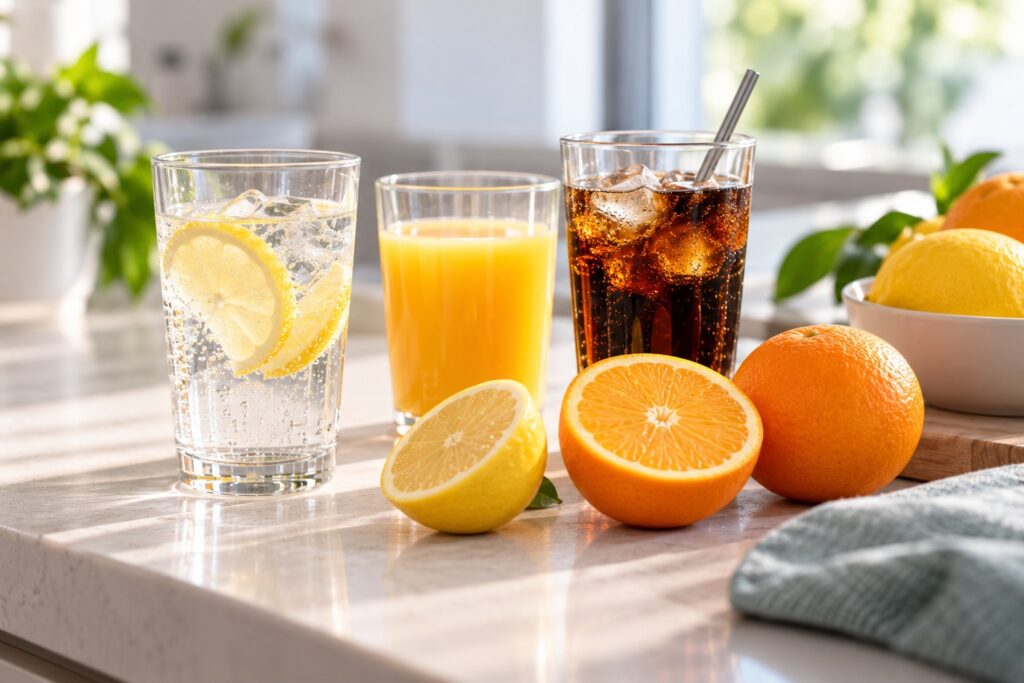
Tooth erosion is the gradual loss of tooth enamel caused by acid. Unlike decay, it is not caused by bacteria. The acid comes from food and drinks or from the stomach, and it softens and dissolves the surface of the teeth. Enamel does not grow back, so the damage is permanent, but erosion can be slowed or stopped once the cause is found.
Erosion and other types of tooth wear
Teeth naturally wear a little over a lifetime. Faster wear usually comes from one or more of the following, and they often occur together:
- Erosion: enamel dissolved by acid.
- Abrasion: wear from brushing too hard, hard-bristled brushes, abrasive toothpaste, or habits such as biting pens.
- Attrition: wear from tooth-to-tooth contact, mainly from grinding or clenching.
Enamel softened by acid wears away much more easily, so erosion can make abrasion and attrition worse.
Common causes
From food and drinks
- Soft drinks, including diet and sugar-free varieties.
- Fruit juices, sports and energy drinks, and flavoured or sparkling waters.
- Wine, cider and kombucha.
- Citrus fruits, lemon in water or tea, vinegar and pickled foods.
- Sour lollies.
How often the teeth meet acid matters more than the total amount. Sipping an acidic drink slowly over a long time, or holding it in the mouth, causes more damage than drinking it with a meal.
From the stomach
Stomach acid is very strong. Reflux (gastro-oesophageal reflux disease), frequent vomiting such as with morning sickness, and eating disorders can all cause significant erosion, often on the inner surfaces of the upper teeth. Reflux sometimes has no obvious symptoms, and erosion can be the first sign.
Other factors
A dry mouth increases the risk, because saliva normally neutralises acid and helps protect the enamel. Some medicines and swimming often in poorly balanced pool water can also contribute.
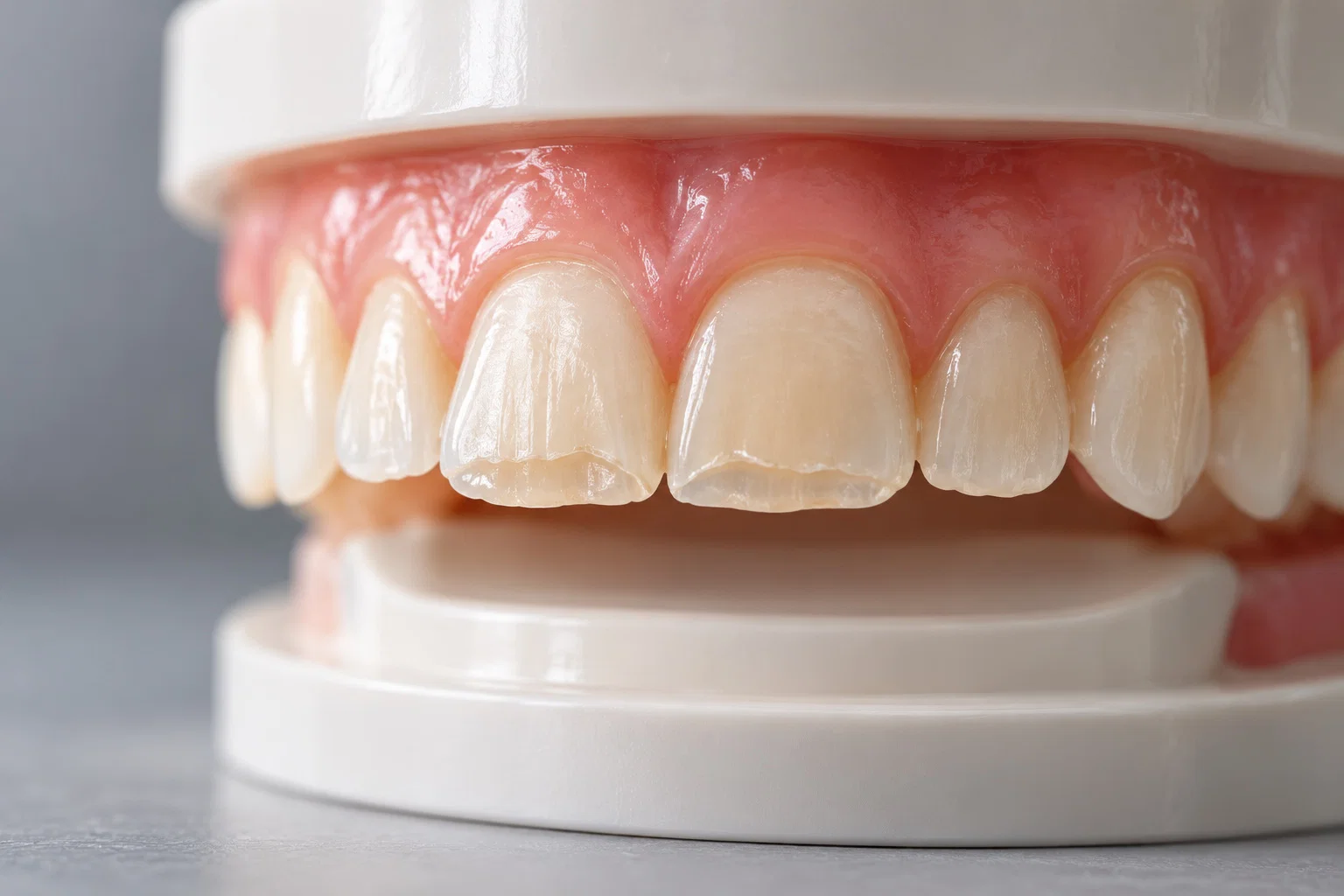
Signs of erosion
- Sensitivity to cold, hot or sweet foods and drinks.
- Teeth that look more yellow, as the thinner enamel shows more of the dentine underneath.
- Smooth, shiny or rounded surfaces, and edges of front teeth that look see-through.
- Small dips or cupping on the biting surfaces of back teeth.
- Fillings that seem to stand up above the surrounding tooth.
- Teeth that look shorter or chip easily.
How erosion is treated
The first step is finding and reducing the cause, which may include changes to diet and drinking habits or seeing a doctor about reflux. A dentist may monitor the teeth over time with photos or scans to see whether the wear is progressing.
Fluoride toothpaste, fluoride varnish and other remineralising products can help strengthen the surface and reduce sensitivity. Where teeth are sensitive, worn into the dentine or weakened, they can be built up with tooth-coloured bonding, and more severely worn teeth may need crowns or onlays. Treatment is most likely to last once the cause of the acid has been controlled.
Reducing the risk
- Keep acidic drinks to mealtimes rather than sipping them through the day.
- Drink water or milk between meals.
- Use a straw for acidic drinks, and avoid swishing or holding them in the mouth.
- Rinse with water after acidic food or drinks or after vomiting, and wait before brushing, as softened enamel brushes away more easily.
- Use a soft toothbrush and fluoride toothpaste, and brush gently.
- Chew sugar-free gum after meals to boost saliva.
Common questions
Can enamel grow back?
No. Lost enamel cannot regrow. Fluoride and saliva can harden softened enamel and repair very early surface changes, but once enamel has worn away, it can only be replaced with a restoration.
Are sugar-free soft drinks safe for teeth?
They are less likely to cause decay, but most are still acidic and can cause erosion.
Is sparkling water bad for teeth?
Plain sparkling water is mildly acidic and much less erosive than soft drinks or juice. Flavoured sparkling waters, especially citrus flavours, are more acidic.
Should I brush straight after breakfast?
If you have had acidic food or drinks such as juice or citrus fruit, rinse with water and wait before brushing, or brush before breakfast instead.
When to see a dentist
See a dentist if your teeth have become more sensitive, look more yellow or shorter, or have started to chip. Erosion is easier to manage when it is picked up early. More information: sensitive teeth.