Cosmetic dentistry is a specialized branch of dental care that focuses on enhancing the appearance of a person’s teeth, gums, and smile. Unlike general dentistry, which primarily addresses oral health issues such as cavities and gum disease, cosmetic dentistry emphasizes aesthetics and the overall visual appeal of the smile. This field has gained immense popularity over the years, driven by societal pressures to maintain a perfect smile and advancements in dental technology that have made procedures more accessible and effective.
The scope of cosmetic dentistry encompasses a wide range of treatments, from simple whitening procedures to complex restorative work. Patients often seek cosmetic dental services not only to improve their appearance but also to boost their self-esteem and confidence. The psychological impact of a beautiful smile can be profound, influencing personal and professional interactions.
As such, understanding the various aspects of cosmetic dentistry is essential for anyone considering these procedures.
Key Takeaways
- Cosmetic dentistry focuses on improving the appearance of teeth, gums, and bite.
- Common procedures include teeth whitening, veneers, dental implants, and orthodontics.
- Benefits of cosmetic dentistry include improved self-confidence, enhanced appearance, and better oral health.
- Finding the right cosmetic dentist involves researching qualifications, experience, and patient reviews.
- The cost of cosmetic dentistry varies depending on the procedure and location, but can be a worthwhile investment in self-esteem and oral health.
Common Cosmetic Dental Procedures
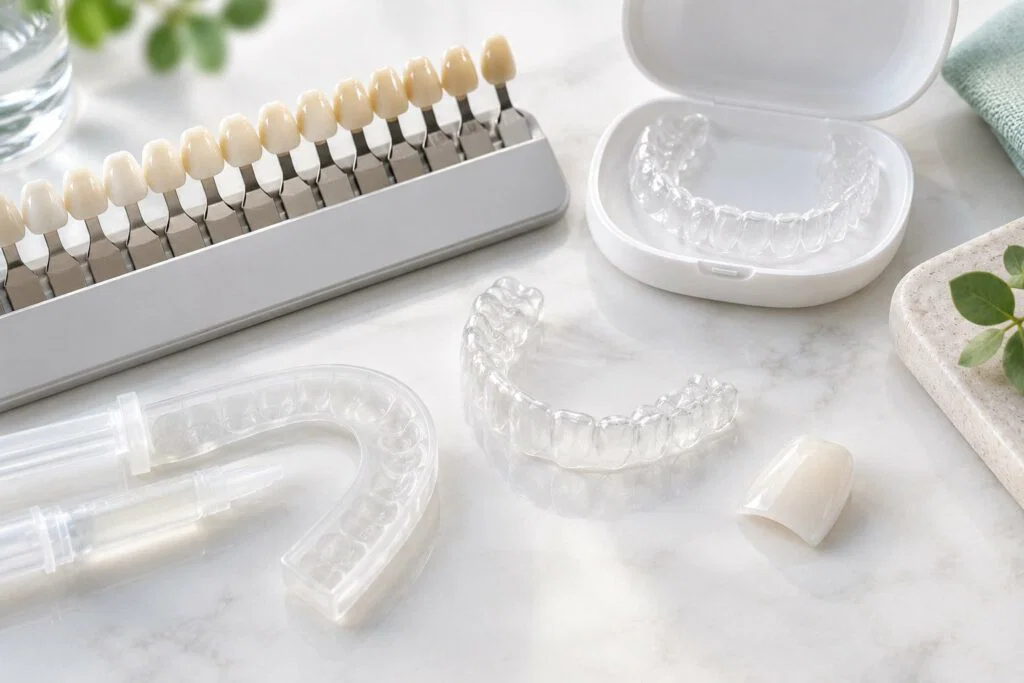
Among the most prevalent cosmetic dental procedures is teeth whitening, which can dramatically enhance the brightness of a person’s smile. This procedure can be performed in-office or at home using custom-fitted trays and professional-grade whitening agents. In-office treatments typically yield immediate results, often lightening teeth by several shades in just one session.
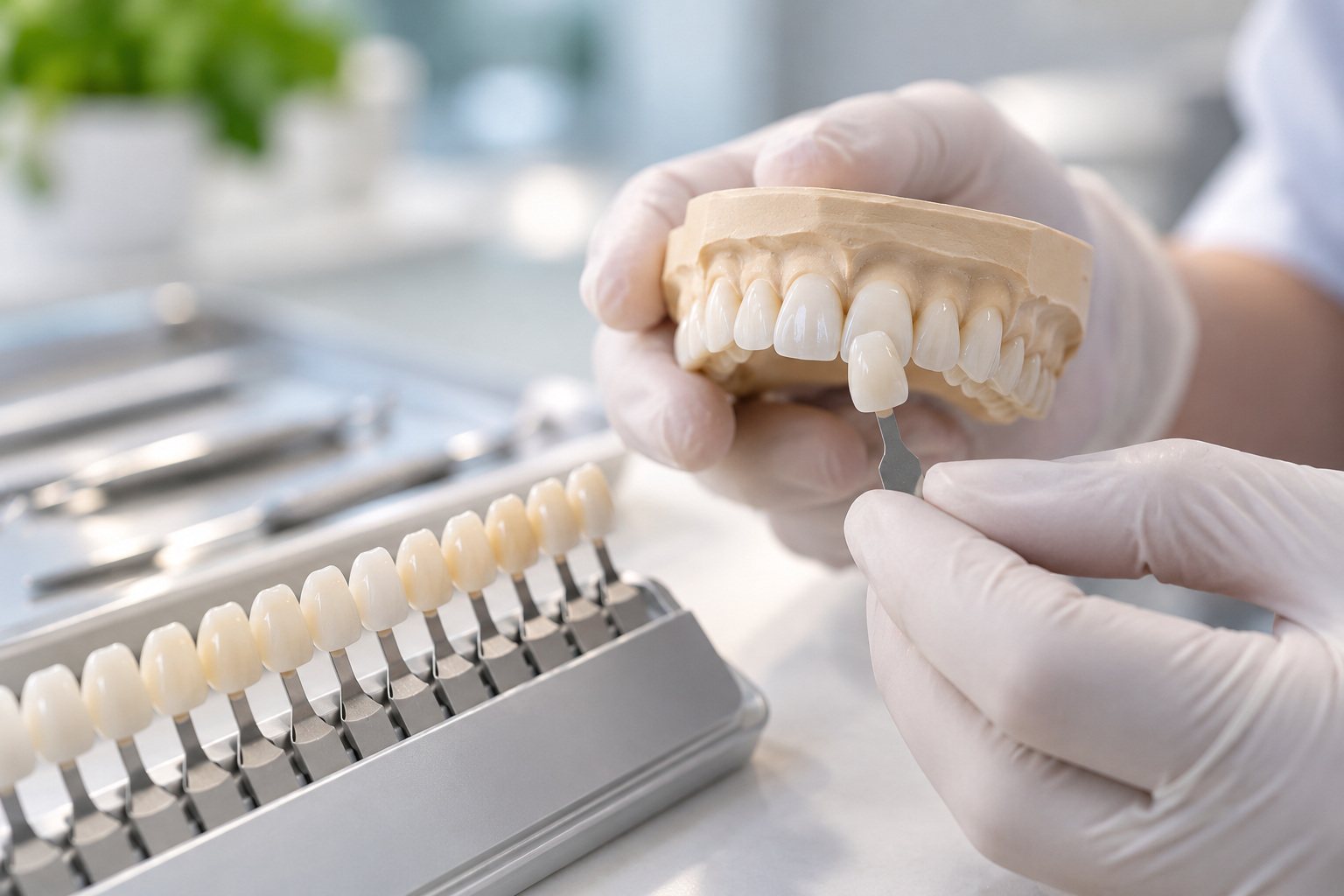
Conversely, at-home kits may take longer but offer the convenience of gradual whitening over time. Another common procedure is dental veneers, which are thin shells made from porcelain or composite resin that are bonded to the front surface of teeth.
The process involves minimal tooth reduction and can provide a natural-looking enhancement that transforms a smile. Additionally, orthodontic treatments such as clear aligners have surged in popularity, offering a discreet way to straighten teeth without the use of traditional metal braces.
Benefits of Cosmetic Dentistry

The benefits of cosmetic dentistry extend beyond mere aesthetics; they can significantly impact an individual’s quality of life. One of the most immediate advantages is the enhancement of self-confidence. A beautiful smile can lead to improved social interactions and greater self-assurance in both personal and professional settings.
Many individuals report feeling more inclined to smile and engage with others after undergoing cosmetic procedures, which can foster better relationships and opportunities. Moreover, certain cosmetic procedures can also contribute to improved oral health. For instance, correcting misaligned teeth through orthodontics not only enhances appearance but also makes it easier to maintain proper oral hygiene.
Misaligned teeth can create hard-to-reach areas that are prone to plaque buildup, leading to cavities and gum disease. By addressing these issues through cosmetic dentistry, patients can enjoy both aesthetic improvements and long-term health benefits.
Finding the Right Cosmetic Dentist
| Criteria | Importance | Explanation |
|---|---|---|
| Experience | High | The number of years the dentist has been practicing cosmetic dentistry. |
| Qualifications | High | Educational background, certifications, and training in cosmetic dentistry. |
| Before & After Photos | Medium | Visual evidence of the dentist’s previous work on patients. |
| Technology & Equipment | Medium | Use of modern dental technology and equipment for cosmetic procedures. |
| Reviews & Testimonials | Medium | Feedback from previous patients about their experiences with the dentist. |
| Cost | Low | The overall cost of the cosmetic dental procedures offered by the dentist. |
Choosing the right cosmetic dentist is a critical step in ensuring a successful outcome for any dental procedure. Prospective patients should begin by researching local practitioners and reviewing their qualifications, experience, and areas of expertise. Many cosmetic dentists showcase their work through before-and-after photos on their websites or social media platforms, providing insight into their skills and style.
It is also advisable to schedule consultations with multiple dentists before making a decision.
A good cosmetic dentist will take the time to understand the patient’s goals and provide personalized recommendations based on their unique needs.
Additionally, reading patient reviews and testimonials can offer valuable perspectives on the dentist’s practice and patient care.
Cost of Cosmetic Dentistry
The cost of cosmetic dentistry can vary widely depending on several factors, including the type of procedure, the complexity of the case, and the geographic location of the dental practice. For example, teeth whitening treatments may range from $300 to $1,000, while more extensive procedures like dental implants or full mouth reconstructions can cost several thousand dollars. Insurance coverage for cosmetic procedures is often limited or nonexistent, as many treatments are considered elective rather than medically necessary.
Patients should also consider financing options when exploring cosmetic dentistry. Many dental practices offer payment plans or work with third-party financing companies to help make treatments more affordable. It is essential for patients to have a clear understanding of the total costs involved before committing to any procedure.
This includes not only the initial treatment but also any follow-up visits or maintenance that may be required.
Maintaining Your New Smile

Once a patient has invested time and resources into achieving their desired smile through cosmetic dentistry, maintaining that smile becomes paramount. Proper oral hygiene practices are essential for preserving the results of cosmetic procedures. This includes regular brushing and flossing, as well as routine dental check-ups to monitor oral health and address any potential issues early on.
In addition to standard oral care, patients may need to follow specific guidelines based on their particular treatments. For instance, individuals with dental veneers should avoid biting into hard foods that could chip or damage the porcelain. Similarly, those who have undergone teeth whitening may need to limit their consumption of staining substances like coffee or red wine for a period following treatment.
By adhering to these recommendations, patients can enjoy their new smiles for years to come.
Risks and Considerations of Cosmetic Dentistry
While cosmetic dentistry offers numerous benefits, it is not without its risks and considerations. As with any medical procedure, there are potential complications that patients should be aware of before proceeding with treatment. For example, some individuals may experience sensitivity following teeth whitening or discomfort after receiving veneers or crowns.
These side effects are typically temporary but can be bothersome for some patients. Additionally, it is crucial for patients to have realistic expectations regarding the outcomes of cosmetic procedures. While advancements in technology have made it possible to achieve remarkable results, individual factors such as oral health status and anatomical considerations can influence the final appearance.
Open communication with the dentist about desired outcomes and potential limitations is essential for ensuring satisfaction with the results.
The Future of Cosmetic Dentistry
The future of cosmetic dentistry is poised for exciting advancements driven by technological innovations and evolving patient preferences. One notable trend is the increasing use of digital technology in treatment planning and execution. Tools such as 3D imaging and computer-aided design (CAD) allow dentists to create highly accurate models of patients’ mouths, enabling more precise treatment planning and improved outcomes.
Moreover, there is a growing emphasis on minimally invasive techniques that prioritize patient comfort while achieving aesthetic goals. Procedures that require less tooth reduction or utilize biocompatible materials are becoming more prevalent as patients seek options that align with their desire for natural-looking results without compromising tooth structure. As societal attitudes toward beauty continue to evolve, cosmetic dentistry will likely adapt to meet changing demands.
The integration of holistic approaches that consider overall well-being alongside aesthetic enhancements may become more common as patients seek comprehensive solutions that address both appearance and health. With ongoing research and development in materials science and dental technology, the future holds great promise for those seeking to enhance their smiles through cosmetic dentistry.
If you are interested in learning more about improving smiles through orthodontic treatment, you may want to check out this article on orthodontic surgery for a perfect smile. This article discusses the benefits of orthodontic treatment and how it can help enhance your smile. Additionally, you can explore the various services offered by White Pearl Dental Care by visiting their services page.
FAQs
What is cosmetic dentistry?
Cosmetic dentistry is a branch of dentistry that focuses on improving the appearance of a person’s teeth, mouth, and smile. It primarily deals with the aesthetic aspects of dental care, such as teeth whitening, veneers, and dental implants.
What are the common procedures in cosmetic dentistry?
Common procedures in cosmetic dentistry include teeth whitening, dental veneers, dental implants, dental bonding, and orthodontic treatments such as braces or clear aligners.
Is cosmetic dentistry only for aesthetic purposes?
While cosmetic dentistry primarily focuses on improving the appearance of the teeth and smile, it can also have functional benefits. For example, dental implants not only improve the appearance of a smile but also restore the function of missing teeth.
Who can benefit from cosmetic dentistry?
Anyone who is unhappy with the appearance of their teeth or smile can benefit from cosmetic dentistry. Whether it’s stained, chipped, misaligned, or missing teeth, cosmetic dentistry offers solutions to improve the overall appearance of the teeth and smile.
Is cosmetic dentistry covered by dental insurance?
In most cases, cosmetic dentistry procedures are not covered by dental insurance as they are considered elective or aesthetic treatments. However, some procedures that have functional benefits may be partially covered, such as dental implants or orthodontic treatments for bite correction. It’s best to check with your dental insurance provider for specific coverage details.