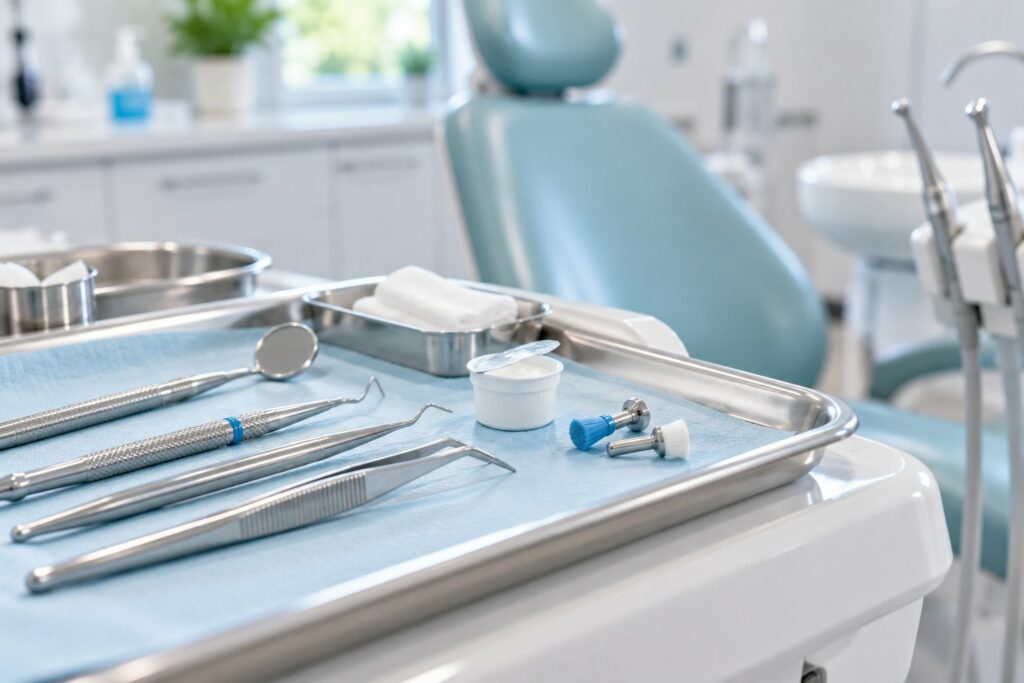
Preventative Dental Procedures: Keeping Your Smile Healthy

Preventative dental care is a cornerstone of maintaining oral health and preventing a myriad of dental issues that can arise over time. The philosophy behind preventative care is simple: by taking proactive measures, individuals can significantly reduce the risk of developing cavities, gum disease, and other oral health problems. This approach not only saves patients from the discomfort and potential complications associated with these conditions but also minimizes the financial burden of extensive dental treatments.

Regular engagement in preventative practices fosters a culture of health awareness, encouraging individuals to prioritize their oral hygiene as part of their overall well-being. Moreover, preventative dental care extends beyond just the physical aspects of oral health; it also encompasses education and awareness about the importance of maintaining good habits. For instance, understanding the impact of diet on dental health can empower individuals to make better choices that benefit their teeth and gums.

By emphasizing the significance of preventative measures, dental professionals can help patients recognize that oral health is not merely about addressing problems as they arise but rather about cultivating a lifestyle that promotes long-term wellness. This proactive mindset can lead to healthier outcomes and a more positive relationship with dental care.

Key Takeaways

  • Preventative dental care is important for maintaining oral health and preventing dental issues.
  • Regular dental check-ups and cleanings are essential for early detection and treatment of dental problems.
  • Dental sealants and fluoride treatments can help protect teeth from decay and cavities.
  • Oral cancer screenings are important for early detection and treatment of oral cancer.
  • Custom mouthguards can protect teeth from sports-related injuries and teeth grinding.

Regular Dental Check-ups and Cleanings

Regular dental check-ups and cleanings are fundamental components of preventative dental care. These visits allow dental professionals to monitor oral health, identify potential issues early, and provide necessary treatments before they escalate into more serious problems. During a typical check-up, a dentist will conduct a thorough examination of the teeth, gums, and mouth, looking for signs of decay, gum disease, or other abnormalities.

This routine assessment is crucial because many dental issues can develop silently without noticeable symptoms until they reach an advanced stage. In addition to examinations, professional cleanings are essential for removing plaque and tartar buildup that regular brushing and flossing may miss. Dental hygienists use specialized tools to clean teeth thoroughly, ensuring that the surfaces are smooth and free from harmful bacteria.

This process not only helps prevent cavities and gum disease but also contributes to fresher breath and a brighter smile. The American Dental Association recommends that individuals visit their dentist at least twice a year for these check-ups and cleanings, although some may require more frequent visits based on their specific oral health needs.

Dental Sealants and Fluoride Treatments


Dental sealants and fluoride treatments are two effective preventative measures that can significantly enhance oral health, particularly in children and adolescents. Sealants are thin, protective coatings applied to the chewing surfaces of molars, where food particles and plaque tend to accumulate. By creating a barrier against decay-causing bacteria, sealants can reduce the risk of cavities by up to 80% in children’s permanent molars.

The application process is quick and painless, making it an ideal option for parents looking to safeguard their children’s dental health. Fluoride treatments complement sealants by strengthening tooth enamel and making it more resistant to decay. Fluoride is a naturally occurring mineral that helps remineralize weakened enamel and can reverse early signs of tooth decay.

Dentists often recommend fluoride treatments for children as part of their routine care, but adults can also benefit from them, especially those at higher risk for cavities. These treatments can be administered in various forms, including gels, foams, or varnishes, and are typically applied during regular dental visits. Together, sealants and fluoride treatments form a powerful duo in the fight against tooth decay.

Oral Cancer Screenings

Year Number of Screenings Number of Positive Cases
2018 150,000 5,000
2019 175,000 6,500
2020 130,000 4,200

Oral cancer screenings are an essential aspect of comprehensive dental care that often goes overlooked. These screenings involve a thorough examination of the mouth, throat, and surrounding tissues to detect any abnormal growths or lesions that could indicate cancerous changes. Early detection is critical in improving survival rates for oral cancer; when identified in its initial stages, the prognosis is significantly better than when diagnosed at a later stage.

Dentists are trained to recognize the early signs of oral cancer during routine check-ups, making these visits even more vital. The importance of oral cancer screenings is underscored by alarming statistics; according to the American Cancer Society, approximately 54,540 new cases of oral cavity or oropharyngeal cancer are diagnosed each year in the United States alone. Risk factors such as tobacco use, excessive alcohol consumption, and HPV infection contribute to the likelihood of developing these cancers.

Regular screenings not only facilitate early detection but also educate patients about risk factors and preventive measures they can take to protect their oral health. By incorporating oral cancer screenings into routine dental care, patients can take proactive steps toward safeguarding their overall health.

Custom Mouthguards for Sports and Teeth Grinding

Custom mouthguards serve as an essential protective measure for individuals engaged in sports or those who suffer from bruxism (teeth grinding). For athletes, mouthguards act as a barrier between the upper and lower teeth, absorbing impact during physical activities and reducing the risk of dental injuries such as fractures or dislocations. While generic mouthguards are available over-the-counter, custom-fitted options provide superior comfort and protection because they are tailored to fit an individual’s unique dental structure.

This personalized fit ensures that athletes can perform at their best without the distraction or discomfort often associated with ill-fitting mouthguards. In addition to sports-related injuries, custom mouthguards are also beneficial for individuals who grind their teeth at night—a condition known as bruxism. Teeth grinding can lead to significant wear on tooth enamel, jaw pain, headaches, and other complications if left untreated.

A custom mouthguard designed for bruxism can help alleviate these issues by providing a cushion between the teeth while sleeping. This protective device not only helps preserve tooth structure but also promotes better sleep quality by reducing discomfort associated with grinding.

Importance of Proper Brushing and Flossing Techniques

Brushing Techniques for Optimal Oral Hygiene

Brushing should be performed at least twice a day using a fluoride toothpaste. However, the technique employed is equally important as the frequency. Dentists recommend using a soft-bristled toothbrush at a 45-degree angle to the gum line, employing gentle circular motions rather than aggressive scrubbing. This method effectively removes plaque without damaging the gums or enamel.

The Importance of Flossing

Flossing is another critical component of effective oral hygiene that many individuals overlook. Flossing helps remove food particles and plaque from between teeth where toothbrushes cannot reach. The American Dental Association advises flossing at least once a day, ideally before bedtime.

Mastering Flossing Techniques

Proper flossing technique involves gently sliding the floss between teeth in a C-shape around each tooth’s base while avoiding snapping or forcing it into the gums. By mastering these techniques, individuals can significantly reduce their risk of developing cavities and periodontal disease while promoting overall oral health.

Nutritional Counseling for Oral Health

Nutritional counseling plays a vital role in supporting oral health by educating individuals about the impact of diet on their teeth and gums. Certain foods can contribute to tooth decay while others promote strong enamel and healthy gums. For instance, sugary snacks and beverages create an environment conducive to bacterial growth in the mouth, leading to cavities over time.

Conversely, foods rich in calcium—such as dairy products—and those high in vitamins C and D support gum health and strengthen teeth. Dental professionals often provide nutritional counseling during routine visits to help patients make informed dietary choices that benefit their oral health. This guidance may include recommendations for incorporating more fruits and vegetables into meals or choosing whole grains over refined carbohydrates.

Additionally, hydration plays a crucial role in maintaining saliva production, which is essential for neutralizing acids produced by bacteria in the mouth. By understanding the connection between nutrition and oral health, individuals can make lifestyle changes that promote not only healthier teeth but also overall well-being.

Tips for Maintaining a Healthy Smile at Home

Maintaining a healthy smile at home requires consistent effort and adherence to good oral hygiene practices. One of the most effective tips is to establish a daily routine that includes brushing twice a day and flossing regularly. Setting reminders or using apps can help individuals stay on track with their oral care regimen.

Additionally, using an electric toothbrush may enhance brushing effectiveness due to its ability to provide consistent pressure and motion. Another important aspect of home care is being mindful of dietary choices throughout the day. Limiting sugary snacks and beverages while opting for healthier alternatives like nuts or cheese can significantly impact oral health over time.

Drinking plenty of water not only aids in hydration but also helps wash away food particles and neutralize acids in the mouth.

Regularly replacing toothbrushes every three to four months or sooner if bristles become frayed is also crucial for effective cleaning.

By implementing these tips into daily life, individuals can take proactive steps toward maintaining a bright and healthy smile for years to come.

If you are interested in learning more about preventative dental procedures, you may want to check out this article on the benefits of Invisalign, a clear solution for straighter teeth. Invisalign is a popular clear aligner therapy that can help transform your smile without the need for traditional braces. This innovative treatment is also suitable for teenagers, as highlighted in this article on how teen smiles can be transformed with Invisalign. To read more about the benefits of Invisalign and how it can improve your dental health, visit this link.

Book Now

FAQs

What are preventative dental procedures?

Preventative dental procedures are treatments and practices aimed at maintaining good oral health and preventing dental issues such as cavities, gum disease, and tooth decay.

What are some examples of preventative dental procedures?

Examples of preventative dental procedures include regular dental cleanings, fluoride treatments, dental sealants, and oral cancer screenings.

Why are preventative dental procedures important?

Preventative dental procedures are important because they help to maintain good oral health, prevent dental problems from developing, and save money on costly dental treatments in the future.

How often should I have preventative dental procedures done?

It is recommended to have a dental cleaning and check-up every six months, but the frequency of other preventative procedures may vary depending on individual oral health needs.

Are preventative dental procedures covered by insurance?

Many dental insurance plans cover preventative dental procedures such as cleanings, exams, and X-rays. It is important to check with your insurance provider to understand your coverage.

Can children benefit from preventative dental procedures?

Yes, children can benefit from preventative dental procedures such as dental sealants, fluoride treatments, and regular dental check-ups to maintain good oral health and prevent dental issues.

Leave a Comment