
Orthodontic problems affect how the teeth line up and how the jaws meet. They are common and can cause difficulty cleaning, uneven wear, problems with biting and chewing, and concerns about appearance. This article explains the main problems, their causes and how they are treated, followed by the benefits treatment can bring.
Causes include genetics, early loss of baby teeth, habits such as thumb-sucking, dummy use or tongue thrusting, and injury. Malocclusion is the general term for teeth and jaws that do not meet properly.
Crowding
Crowding occurs when there is not enough room in the jaw for all the teeth, so they overlap or twist. Crowded teeth are harder to clean, which raises the risk of decay and gum disease. Treatment is usually braces or clear aligners. Sometimes teeth need to be removed to create space, and in growing children an expander can widen the upper jaw.
Overbite and underbite
In an overbite, the upper front teeth overlap the lower ones too much. In an underbite, the lower front teeth sit in front of the upper ones. Both can be inherited or influenced by habits such as thumb-sucking or prolonged dummy use. They can cause tooth wear and, in some cases, difficulty biting or chewing.
Treatment may involve braces or clear aligners to move the teeth. In growing children, functional appliances or headgear can guide jaw growth. Severe jaw differences in adults may need braces combined with jaw surgery.
Crossbite
A crossbite is when one or more upper teeth bite inside the lower teeth. It can affect front teeth (anterior) or back teeth (posterior) and may cause uneven wear and jaw strain. Causes include genetics, early loss of baby teeth and jaw development. Treatment uses braces or aligners; in children an expander can widen a narrow upper jaw, and habits such as thumb-sucking may need to be addressed. Severe cases related to jaw growth may need surgery later.
Open bite
An open bite is a gap between the upper and lower teeth when the back teeth are together, often at the front. It can be linked to thumb-sucking, tongue thrusting or jaw growth, and can affect biting and some speech sounds. Treatment includes braces or aligners, plus help to stop the habit; speech therapy may help with tongue thrust.
Protruding teeth
Front teeth that stick out are more likely to be injured. Causes include genetics, thumb-sucking and jaw development. Treatment is usually braces or aligners, sometimes with tooth removal for space, and functional appliances can help in growing children.
Gaps between teeth (diastema)
Gaps are most common between the upper front teeth. They can be due to tooth size, genetics, gum disease or habits. Braces or aligners can close gaps; bonding or veneers are sometimes used afterwards to reshape small teeth. Any gum disease needs treating first.
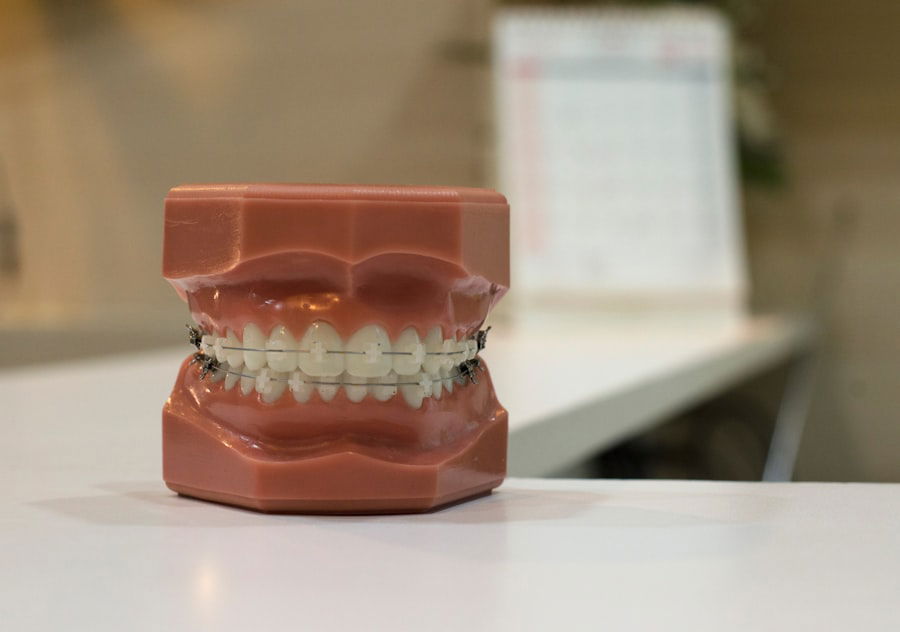
How problems are diagnosed
Diagnosis involves an examination, X-rays and impressions or scans of the teeth. An orthodontic check is often suggested around age seven, when the first adult teeth are through, so that problems can be picked up at a good time. Problems can be treated at any age.
Benefits of orthodontic treatment
Oral health
Straighter teeth are easier to brush and floss, which can reduce the risk of decay and gum disease. Correcting the bite spreads chewing forces more evenly, reducing wear on individual teeth.
Biting, chewing and speech
Correcting bite problems can make biting and chewing easier. Some speech difficulties linked to tooth position, such as with an open bite, may improve, sometimes with speech therapy alongside.
Appearance and confidence
Many people feel more comfortable smiling after treatment. Correcting protruding teeth or significant bite problems can also change the balance of the face. These are personal benefits, and how much they matter varies from person to person.
Jaw comfort
Some people with bite problems also have jaw muscle or joint discomfort. Orthodontic treatment is sometimes part of managing this, but the link between bite and jaw joint problems is not straightforward, and other treatments are often needed.
Treatment options
Options include metal, ceramic and lingual braces, clear aligners, expanders, headgear and functional appliances, and jaw surgery for severe cases. Treatment is planned around age, the type of problem and personal preferences. See teeth straightening options for more detail.
Treatment at any age
Early treatment can be helpful while children are still growing, for example to widen a narrow jaw or guide growth. Adults can also have treatment, and many choose discreet options such as clear aligners or ceramic braces.
Common questions
How long does treatment take?
Often from about 6 months to 2 years or longer, depending on the problem and the method.
Are there risks?
Temporary soreness is common. Poor cleaning can lead to decay or gum inflammation, and occasionally tooth roots shorten slightly. Regular check-ups and good oral hygiene reduce these risks.
Does treatment need special care?
Yes: careful brushing and flossing, avoiding foods that damage braces, and wearing aligners or retainers as directed.
Related reading
This article is general information only and is not a substitute for advice from a dentist who has examined you.