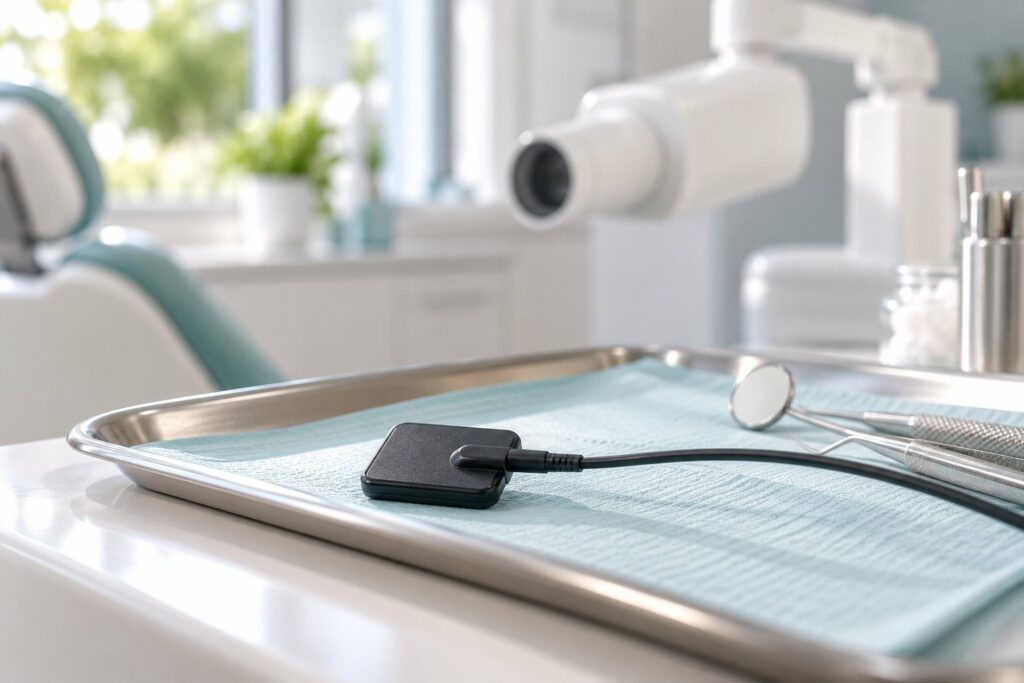
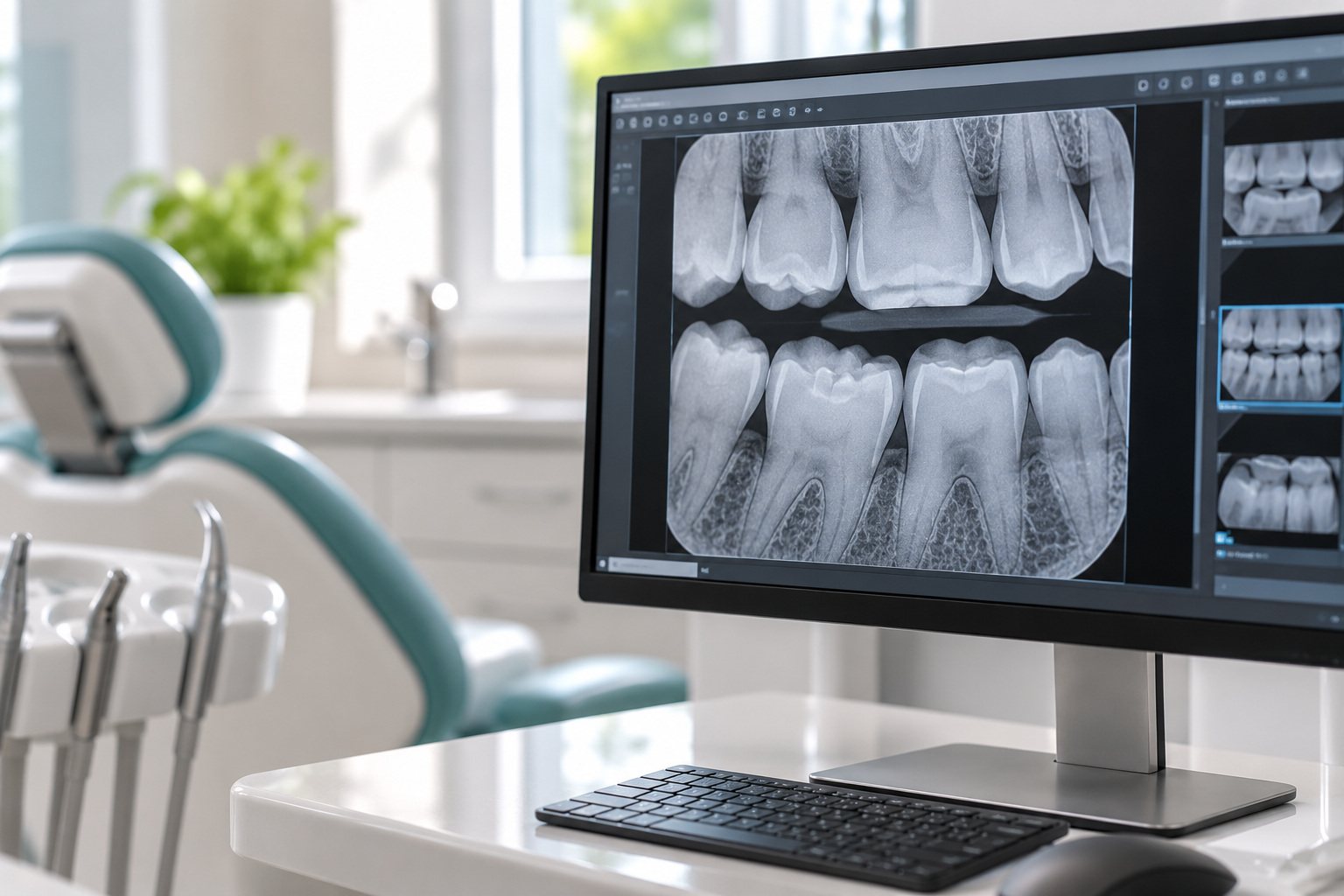
Digital X-rays have revolutionized the field of dentistry, offering a modern alternative to traditional film-based radiography. This technology utilizes digital sensors to capture images of the teeth, gums, and surrounding structures, providing dentists with immediate access to high-quality diagnostic images. The transition from analog to digital imaging has not only enhanced the quality of dental care but has also transformed the way dental practices operate.
As the demand for efficient and effective dental services continues to grow, digital X-rays have become an essential tool in the arsenal of modern dentistry. The adoption of digital X-ray technology has been driven by advancements in computer technology and imaging software.
This immediacy allows for quicker diagnosis and treatment planning, ultimately improving patient outcomes. Furthermore, the integration of digital X-rays with other digital tools in dentistry has paved the way for a more comprehensive approach to patient care, making it easier for practitioners to share information and collaborate on treatment plans.
Key Takeaways
- Digital X-rays in dentistry offer a more advanced and efficient way of capturing and analyzing dental images compared to traditional X-rays.
- Advantages of digital X-rays include improved image quality, faster processing times, and the ability to easily store and share images with other healthcare providers.
- Digital X-rays provide improved accuracy and diagnostic capabilities, allowing for better detection of dental issues and more precise treatment planning.
- Patients and staff benefit from reduced radiation exposure with digital X-rays, making it a safer option for dental imaging.
- Integration with digital imaging and patient records allows for a more streamlined workflow and increased efficiency in dental practices.
Advantages of Digital X-rays over Traditional X-rays
One of the most significant advantages of digital X-rays is their superior image quality compared to traditional film X-rays. Digital sensors are capable of capturing a wider range of shades and details, resulting in clearer and more precise images. This enhanced clarity allows dentists to identify issues such as cavities, bone loss, and other dental anomalies with greater accuracy.
Additionally, digital images can be easily manipulated using software tools, enabling practitioners to adjust brightness, contrast, and zoom in on specific areas for a more detailed examination. Another key benefit of digital X-rays is their efficiency in terms of time and resources. Traditional X-ray films require a lengthy development process involving chemicals and darkroom equipment, which can delay diagnosis and treatment.
In contrast, digital X-rays are ready for review almost instantaneously, allowing dentists to make informed decisions without unnecessary waiting periods. This rapid turnaround not only improves patient satisfaction but also enhances the overall workflow within dental practices, enabling them to see more patients in a given timeframe.
Improved Accuracy and Diagnostic Capabilities

The accuracy of digital X-rays significantly enhances diagnostic capabilities in dentistry. The high-resolution images produced by digital sensors allow for the detection of subtle changes in dental structures that may go unnoticed with traditional methods. For instance, early-stage cavities or periodontal disease can be identified more readily, facilitating timely intervention and treatment.
This early detection is crucial in preventing more severe dental issues that could lead to complex procedures or tooth loss. Moreover, digital X-ray technology often incorporates advanced imaging techniques such as cone beam computed tomography (CBCT), which provides three-dimensional views of dental anatomy. This capability is particularly beneficial for complex cases involving implants, orthodontics, or surgical planning.
By visualizing the spatial relationships between teeth, bone, and surrounding tissues in three dimensions, dentists can develop more precise treatment plans tailored to each patient’s unique anatomy. The ability to visualize these intricate details enhances the overall quality of care provided to patients.
Reduced Radiation Exposure for Patients and Staff
| Metrics | Data |
|---|---|
| Reduction in Radiation Dose for Patients | 30% decrease in average radiation dose |
| Staff Radiation Exposure | 50% reduction in staff radiation exposure |
| Adoption of Low-dose Imaging Techniques | 80% of imaging procedures now using low-dose techniques |
One of the most compelling reasons for the shift towards digital X-rays is the significant reduction in radiation exposure for both patients and dental staff. Digital X-ray systems require much lower doses of radiation compared to traditional film-based systems—often up to 80% less. This reduction is primarily due to the increased sensitivity of digital sensors, which can capture high-quality images with minimal radiation exposure.
As a result, patients can undergo necessary imaging procedures with greater peace of mind regarding their safety. In addition to protecting patients, reduced radiation exposure also benefits dental staff who are regularly exposed to X-ray emissions. By minimizing the amount of radiation generated during imaging procedures, dental practices can create a safer working environment for their employees.
This is particularly important in settings where multiple X-ray procedures are performed daily. The implementation of digital X-ray technology not only aligns with best practices in radiation safety but also demonstrates a commitment to patient and staff well-being.
Integration with Digital Imaging and Patient Records
The integration of digital X-rays with other digital imaging modalities and patient record systems represents a significant advancement in dental practice management. Digital X-ray images can be seamlessly incorporated into electronic health records (EHRs), allowing for comprehensive patient profiles that include radiographic data alongside clinical notes and treatment histories. This holistic approach facilitates better communication among dental professionals and enhances continuity of care.
Furthermore, the ability to share digital images easily with specialists or other healthcare providers streamlines referrals and consultations. For example, if a dentist identifies a potential issue that requires the expertise of an oral surgeon or periodontist, they can quickly send the relevant digital X-ray images via secure channels. This not only saves time but also ensures that all parties involved have access to the same high-quality diagnostic information, leading to more informed decision-making and collaborative treatment planning.
Streamlined Workflow and Efficiency in Dental Practices

Enhanced Diagnostic Capabilities
The immediate availability of images allows dentists to diagnose conditions on-the-spot during patient visits, reducing the need for follow-up appointments solely for image review. This efficiency translates into shorter appointment times and increased patient throughput, enabling practices to accommodate more patients without compromising the quality of care.
Optimized Office Space and Record-Keeping
The elimination of physical film storage frees up valuable office space that can be repurposed for other uses within the practice. Digital images can be stored securely on servers or cloud-based systems, making them easily accessible whenever needed. This not only enhances organization but also simplifies compliance with record-keeping regulations.
A More Productive Practice Environment
The streamlined workflow associated with digital X-rays ultimately contributes to a more productive practice environment where both staff and patients benefit from improved efficiency.
Cost Savings and Environmental Benefits
While the initial investment in digital X-ray equipment may be higher than traditional systems, the long-term cost savings are substantial. Digital X-rays eliminate the need for film, chemicals, and darkroom maintenance—expenses that can accumulate over time in traditional practices. Additionally, the reduced need for retakes due to improved image quality means fewer resources are wasted on unnecessary materials.
From an environmental perspective, transitioning to digital X-rays significantly reduces the ecological footprint of dental practices. The elimination of chemical processing not only minimizes hazardous waste but also decreases water usage associated with film development. As sustainability becomes an increasingly important consideration in healthcare, adopting environmentally friendly technologies like digital X-rays aligns with broader efforts to promote responsible practices within the industry.
Future Developments and Potential Impact on Dentistry
As technology continues to advance at a rapid pace, the future of digital X-rays in dentistry holds exciting possibilities. Innovations such as artificial intelligence (AI) are beginning to play a role in image analysis, potentially enhancing diagnostic accuracy even further. AI algorithms can assist dentists by identifying patterns or anomalies in radiographic images that may be indicative of underlying conditions, thereby augmenting clinical decision-making.
Moreover, ongoing developments in imaging technology may lead to even lower radiation doses while maintaining high image quality. As research progresses, we may see new modalities that integrate multiple imaging techniques into a single platform, providing comprehensive diagnostic capabilities without subjecting patients to excessive radiation exposure. The potential impact of these advancements on dentistry is profound.
Enhanced diagnostic tools will empower practitioners to provide more precise treatments tailored to individual patient needs while improving overall patient safety and satisfaction. As digital X-ray technology continues to evolve, it will undoubtedly play a pivotal role in shaping the future landscape of dental care, fostering an environment where innovation drives improved health outcomes for patients worldwide.
Digital X-rays in Dentistry have revolutionized the way dental professionals diagnose and treat patients.
This technology not only improves patient care but also reduces radiation exposure compared to traditional X-rays. For more information on how digital X-rays can benefit your dental health, check out this informative article on whitepearldentalcare.com.au.
FAQs
What are digital X-rays in dentistry?
Digital X-rays in dentistry are a type of dental imaging technology that uses digital sensors to capture images of the teeth, gums, and other oral structures. These images can be viewed and manipulated on a computer screen, allowing for more efficient and accurate diagnosis and treatment planning.
How do digital X-rays differ from traditional X-rays?
Digital X-rays differ from traditional X-rays in that they use electronic sensors to capture images, whereas traditional X-rays use film. Digital X-rays produce images that can be viewed and enhanced on a computer screen, while traditional X-rays require the use of chemical processing to develop the images.
What are the benefits of digital X-rays in dentistry?
Some of the benefits of digital X-rays in dentistry include reduced radiation exposure, faster image processing, the ability to enhance and manipulate images for better diagnosis, and the ability to easily share images with other dental professionals.
Are digital X-rays safe?
Digital X-rays in dentistry are considered safe, as they use significantly less radiation than traditional X-rays. Additionally, the ability to enhance and manipulate digital images can lead to more accurate diagnoses and treatment planning, which can ultimately improve patient safety.
How often should digital X-rays be taken?
The frequency of digital X-rays in dentistry varies depending on the patient’s individual oral health needs. In general, most dentists recommend taking digital X-rays once a year for routine check-ups, and more frequently for patients with specific dental issues or concerns.